

Prediction Markets Under Fire: Kalshi CEO Foresees DOJ Insider

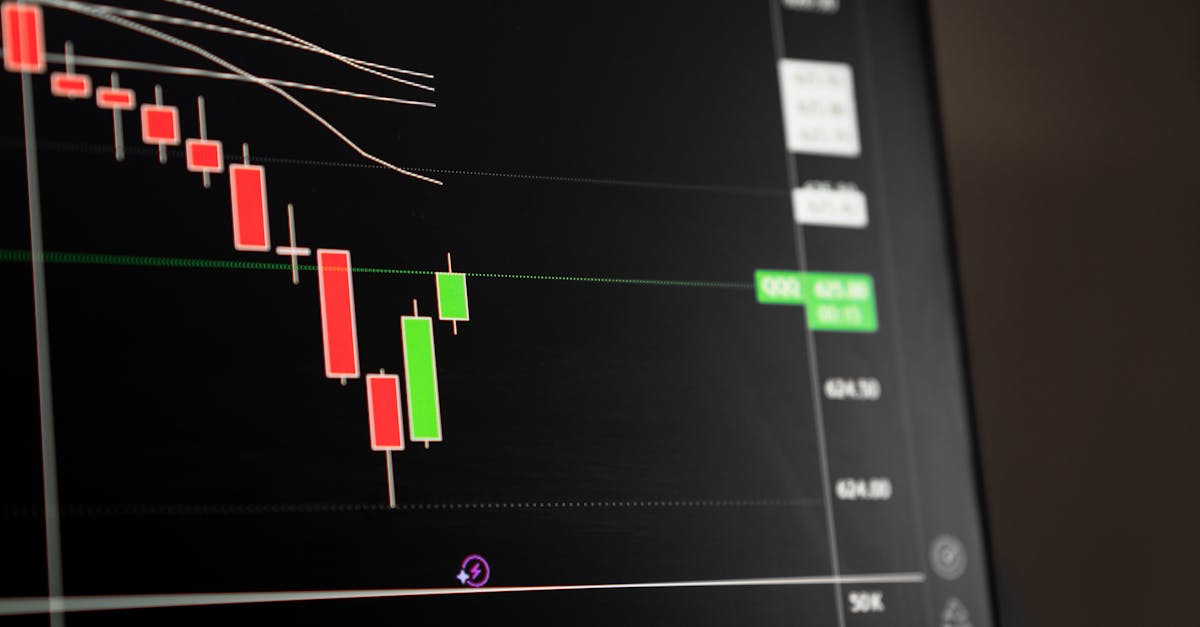
The burgeoning world of prediction markets, where users trade on the outcome of future events, is bracing for a potential showdown with federal regulators. Tarek Mansour, CEO of Kalshi, a leading regulated prediction market platform, has publicly stated his expectation that the U.S. Department of Justice (DOJ) will soon begin prosecuting insider trading cases related to these novel financial instruments. This declaration signals a significant shift, pulling the often-unregulated frontiers of digital speculation firmly into the crosshairs of traditional financial enforcement, redefining the boundaries of market integrity in the digital age.
Kalshi, unlike many of its decentralized counterparts, operates under the rigorous regulatory purview of the Commodity Futures Trading Commission (CFTC), offering a wide array of event contracts on everything from economic indicators to geopolitical developments. The platform’s premise is to allow individuals and institutions to hedge risks and express beliefs about future outcomes, essentially transforming information into tradable assets. However, this very mechanism, designed for transparency and efficiency in price discovery, also opens a complex Pandora’s Box concerning sensitive, non-public information and its potential misuse.
The concept of insider trading, traditionally associated with securities markets, involves leveraging non-public, material information for illicit financial gain. While the specific legal definitions and mechanics differ in prediction markets, the ethical and legal implications remain profoundly potent. Consider an individual with advance, confidential knowledge of a corporate merger, a government policy decision, or even the outcome of a sports event, trading on an event contract designed to predict that very outcome. Such actions could gravely distort market integrity, undermine fairness, and allow individuals to profit from privileged access, mirroring the core harm of insider trading in conventional financial landscapes.
Mansour’s foresight suggests that the DOJ, which has historically taken an expansive view of what constitutes insider trading and market manipulation, is likely developing sophisticated strategies to address this emerging challenge. Prosecuting such cases in prediction markets presents unique hurdles, given the diverse nature of “events” and the inherent difficulty in definitively proving the materiality and non-public nature of information in a rapidly evolving digital ecosystem. Yet, as these markets grow in volume and influence, the imperative to ensure fair play and prevent systemic manipulation becomes paramount for public trust.
The implications of increased DOJ scrutiny are far-reaching. It will undoubtedly force prediction platforms, regardless of their current regulatory status, to implement more robust compliance frameworks, enhance their monitoring for suspicious trading activity, and potentially rethink the very types of events they allow trading on. For participants, it’s a stark reminder that even in the most innovative financial realms, the long arm of the law eventually extends. This anticipated crackdown marks a pivotal moment for prediction markets, signaling their transition from a niche curiosity to a significant player in the broader financial ecosystem that must unequivocally adhere to established legal and ethical standards.
Updates
- 2026-09-09 — Apple releases iPadOS 27 RC, plus watchOS 27 and more (source)
- 2026-08-27 — Apple expands educational program for its supply-chain workers in Vietnam (source)
- 2026-08-10 — Apple releases iOS 26.6.1 beta for iPhone, plus more (source)
- 2026-08-04 — Apple just revealed a clue about its September iPhone event date (source)
- 2026-05-22 — Apple Intelligence 2.0 promises many new features I’m very excited for (source)
- 2026-05-16 — HTML Lists (source)
- 2026-05-04 — “Notepad++ for Mac” release is disavowed by the creator of the original (source)
- 2026-04-28 — Apple Weather down? iPhone app experiencing issues right now (source)
- 2026-04-28 — Union accuses Apple of unlawful discrimination against represented workers (source)
- 2026-04-23 — We still don’t have a more precise value for “Big G” (source)
- 2026-04-23 — Rivian begins production on the R2 electric SUV (source)
- 2026-04-22 — John Ternus is an Apple TV fan, but wants to make it ‘more competitive’: report (source)
- 2026-04-22 — X finally adds custom timelines (source)
- 2026-04-21 — John Ternus’s first big problem is AI (source)
Related Articles

Google Employee Charged with $1M Insider Trading on Polymarket
Google employee accused of insider trading on prediction market Polymarket using non-public search term data.
Insider Trading Fears Rise as Prediction Markets Boom
Traders are making millions on prediction markets, sparking concerns about insider trading by government officials and politicians.
CFTC probes Polymarket trades as fintech regulators tighten grip
The CFTC opened three investigations into Polymarket speculation, amid broader regulatory scrutiny of prediction markets, cloud services, and payment platforms.