

Casio Luxury G‑Shock, Gemini Photo AI

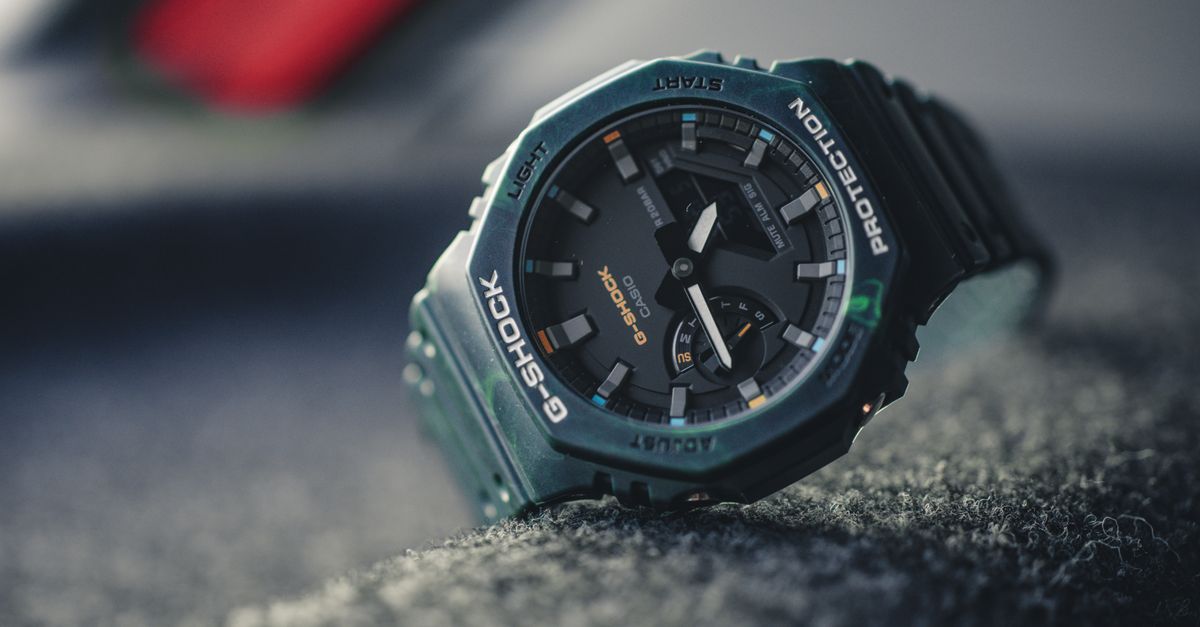
Photo by Deyan Georgiev on Pexels
Casio’s new G‑Shock line, Google’s Gemini Spark photo manager, and Roland’s Melody Flip plug‑in all landed this week, signaling a rapid infusion of AI into everyday hardware.
The Casio Naut GMC‑2500/GAC‑2500 series is slated for release as a luxury homage to the earlier “CasiOak” model, while Gemini Spark now curates Google Photos for AI Pro and Ultra subscribers, and Roland’s Melody Flip adds roughly 250 genre‑sorted “Palettes” to any DAW. Motorola also cut the price of its Tag 2 tracker to $70 for a four‑pack.
Casio’s Luxury G‑Shock Launch
WIRED reports that Casio is preparing the CasioNaut G‑Shock GMC‑2500 and GAC‑2500 series as a follow‑up to the “CasiOak” collector’s piece.1 The new models are positioned as a luxury homage rather than a purely utilitarian watch. The series keeps the rugged G‑Shock DNA but adds premium materials and finishes that target collectors and fashion‑forward tech enthusiasts.234
The announcement does not include pricing, but the emphasis on “luxury” suggests a premium tier above the standard G‑Shock lineup. Casio’s move mirrors a broader trend of heritage brands leveraging limited‑edition drops to capture higher‑margin segments. By anchoring the release to the CasiOak’s cult status, Casio hopes to convert nostalgia into immediate sales.
Gemini Spark Takes Over Google Photos
TechCrunch notes that Google’s Gemini Spark AI now handles a suite of Google Photos tasks for AI Pro and Ultra subscribers. The feature can edit and curate photo albums, create shared collections, and even turn images into calendar events.5678 It also automates other routine library management chores that users typically perform manually.8
The rollout is limited to paid Gemini tiers, which means the capability is not yet available to the broader user base.578 Nonetheless, the integration showcases Google’s strategy of embedding generative AI deeper into its core services. By offloading mundane organization work to Gemini, Google hopes to keep power users locked into its ecosystem while showcasing the practical value of its AI models.
Roland’s Melody Flip Brings AI to DAWs
According to The Verge, Roland has entered the generative‑AI music space with a new plug‑in called Melody Flip. The tool ships as a DAW add‑on and offers about 250 “Palettes”—themed collections of musical ideas sorted by genre. Users can ask the plug‑in to generate a melody, chord progression, bassline, or drum pattern, or feed a reference track and have the AI extrapolate new ideas from it.
Melody Flip does not claim to produce fully polished songs with vocals or complete arrangements, a distinction the article draws against competitors like Suno and Udio. Instead, it positions itself as a compositional assistant that speeds up the ideation phase for producers. By delivering genre‑specific building blocks, Roland aims to embed AI directly into the creative workflow without replacing the human touch.
Motorola Tag 2 Hits a Low Price Point
9to5Google reports that Motorola’s latest Android Find Hub tracker, dubbed Moto Tag 2 and sometimes called “Android’s AirTag,” is now $70 for a four‑pack—roughly $17 per unit. The device functions as a Bluetooth‑based item locator that integrates with Android’s Find My Device network, offering a low‑cost alternative to Apple’s AirTag ecosystem.
The price cut positions Moto Tag 2 as the most affordable option on the market, according to the source. Its affordability may drive broader adoption among Android users who have previously shied away from hardware trackers due to cost. The move also reflects Motorola’s strategy of leveraging Google’s ecosystem to gain market share in the crowded Bluetooth‑tracker segment.
Industry Context: AI Features Becoming Standard in Consumer Gear
The three announcements illustrate a converging pattern: AI is no longer a niche add‑on but a core selling point for hardware across categories. Google’s Gemini Spark extends AI from conversational bots into personal media management, a shift that mirrors the broader push to embed AI in everyday productivity tools. Roland’s Melody Flip follows a wave of music‑tech companies releasing AI‑assisted composition tools, indicating that generative models are now trusted enough to assist professional creators.
Casio’s luxury G‑Shock line, while not AI‑centric, benefits from the same hype cycle. By branding the release as a premium homage, Casio taps into the collector mentality that has been amplified by AI‑driven hype around limited‑edition tech. Meanwhile, Motorola’s price‑cut on Tag 2 shows that even low‑end hardware can gain a competitive edge by aligning with platform‑wide AI services like Android’s Find My Device, which increasingly relies on machine‑learning‑enhanced location accuracy.
The common thread is a market expectation that AI adds tangible value—whether by saving time, expanding creative possibilities, or just enhancing brand cachet. Companies that fail to integrate AI features risk being perceived as outdated, especially as consumers grow accustomed to AI‑powered convenience in their daily tools.
What to Watch
Watch for Casio’s official launch date and price tier; the market’s reaction will indicate whether luxury‑focused wearables can sustain premium pricing in a crowded smartwatch arena. Track Gemini Spark’s adoption metrics among AI Pro and Ultra users to gauge how much photo‑management automation drives subscription upgrades. Monitor how quickly producers incorporate Melody Flip into commercial releases, which will signal whether AI‑assisted composition moves from experimental to mainstream. Finally, keep an eye on Android’s Find My Device updates—any AI‑driven improvements in locator accuracy could further cement Moto Tag 2’s position as the budget leader in Bluetooth tracking.
Footnotes
Related Articles
Disrupt discount, Gemini breach, and new hardware raise stakes
Ticket discounts for TechCrunch Disrupt end soon, Google’s Gemini AI breach surfaces, and new hardware from Asus and Motorola arrive, highlighting industry tension.

Board ousts Automattic CEO as other firms face backlash
Automattic forces founder Matt Mullenweg into leave while Turning Point pumps money into midterms, Amazon battles a pregnancy‑accommodation lawsuit, and Meta mislabels a band’s handles.

GoPro Sale, Emplifi Lead
GoPro’s $285M Starman acquisition, Emplifi’s Gartner leadership, and Blackstone’s $2.8B Allstate Life buy reshape hardware, AI social tools, and insurance.