

C64's 1982 debut fuels a thriving retro‑computing renaissance


The C64 launch still echoes today
Commodore 64 hit shelves on September 1 1982, and three decades later its legacy fuels a bustling retro‑computing ecosystem. The original announcement still surfaces on Hacker News, where a 2024 post about the release earned 265 points and sparked 129 comments.
That thread links to a simple archival page that records the date and the fact of the launch—no sales figures, no hype, just the bare fact that a $99 home computer arrived in the market. The community reaction was immediate: hobbyists posted screenshots of BASIC demos, developers compared the VIC‑II graphics chip to contemporary rivals, and a handful of users began preserving the machine’s ROMs for posterity. The discussion never turned into a press release recap; it became a snapshot of engineers who remembered the feel of typing LOAD"*",8,1 on a rubber‑keyed keyboard.
Retro news aggregators keep the old scene alive
Modern retro enthusiasts have built their own version of Hacker News to surface exactly that kind of nostalgia‑driven chatter. Two Stop Bits runs a modified copy of the original HN source code, written in the Arc language, and presents a dedicated feed for retro‑computing and gaming posts. The site’s creator has just opened the source repository (https://twostopbits.com/item?id=251), letting anyone fork the platform and add features like a mobile‑friendly layout.
The community quickly turned the aggregator into a hub for project announcements, hardware hacks, and even a modest RSS feed that can be consumed by BBS software. Users have already asked for an API, and while the closest thing right now is the RSS endpoint, the willingness to expose the data shows how much value the retro crowd places on discoverability. The site’s modest traffic—reflected in a 422‑point HN comment thread—demonstrates that a niche but vocal audience still craves a centralized place to share vintage‑tech news without the noise of mainstream tech sites.
PLATOTERM revives a 60s time‑sharing system for vintage hardware
IRATA.ONLINE, a community built around the historic PLATO system, has been busy extending that legacy to dozens of classic machines. The latest releases include PLATOTERM 1.3 Lite for the Commodore 64, a version that squeezes into a 16 KB cartridge ROM by stripping out preferences support while retaining a full terminal experience. The port adds a 2048‑byte input buffer, higher baud‑rate support, and basic color rendering for the eight PLATO system colors.
Beyond the C64, IRATA.ONLINE has shipped PLATOTERM builds for Atari 8‑bit, Atari ST, Amiga (with PAL‑display support for 512‑line interlaced mode), and an Android wrapper that lets users connect to the PLATO network from a phone. The project’s GitHub repository hosts the source for each platform, and the community encourages testing on real hardware—whether that means flashing a cartridge for the C64 or loading an ATR image from a TNFS server for Atari users. By keeping the code open and the builds frequent, IRATA.ONLINE turns a 1960s time‑sharing concept into a living, interactive hobby for engineers who still solder on breadboards.
DIY scale models bring the past to the desk
A parallel movement is turning vintage aesthetics into tangible desk objects. A hobbyist who started with a search for a unique Raspberry Pi case ended up 3‑D‑printing a quarter‑scale BeBox, a rare mid‑90s machine that only about 2,000 units ever left the factory. The build uses a Raspberry Pi 4, a dual‑HDMI extension board, and a programmable MCP23017 I²C GPIO chip to recreate the original’s blinkenlights via a Python script.
The same creator has replicated the SGI Indy, the eMachines “Never Obsolete” from around 2000, and even a Japanese Sharp X68000 workstation. Each case blends filament‑printed structural parts with resin‑printed details, and the finishing touches rely on waterslide decals printed on an Alps dye‑sub printer. The decals, which include original logos and silkscreen text, are applied with Micro Sol and Micro Set solutions, then airbrushed for a professional look. All the STL files and decal assets are hosted in public GitHub repos, inviting others to print, modify, or extend the designs.
These projects are more than vanity items; they serve as functional Linux boxes that let engineers run modern software while preserving the visual language of the era they admire. The BeBox, for instance, retains the original’s front‑panel layout, letting users toggle LEDs that mirror the old machine’s diagnostic lights. By marrying 21st‑century computing power with 20th‑century form factor, the maker community demonstrates that nostalgia can be a platform for practical experimentation.
What to watch
The next wave will likely see tighter integration between retro hardware emulation and cloud‑based services. IRATA.ONLINE plans a full‑featured PLATOTERM 1.0 release for the Atari ST later this year, and the Two Stop Bits source release invites forks that could add real‑time chat bridges to modern Discord servers. Keep an eye on the upcoming “Retro‑Compute Expo” scheduled for early 2025, where vendors promise live demos of PLATOTERM on original C64 hardware and a showcase of new quarter‑scale cases. Those events will reveal whether the hobbyist momentum translates into broader tooling or stays a tightly‑knit subculture.
Related Articles
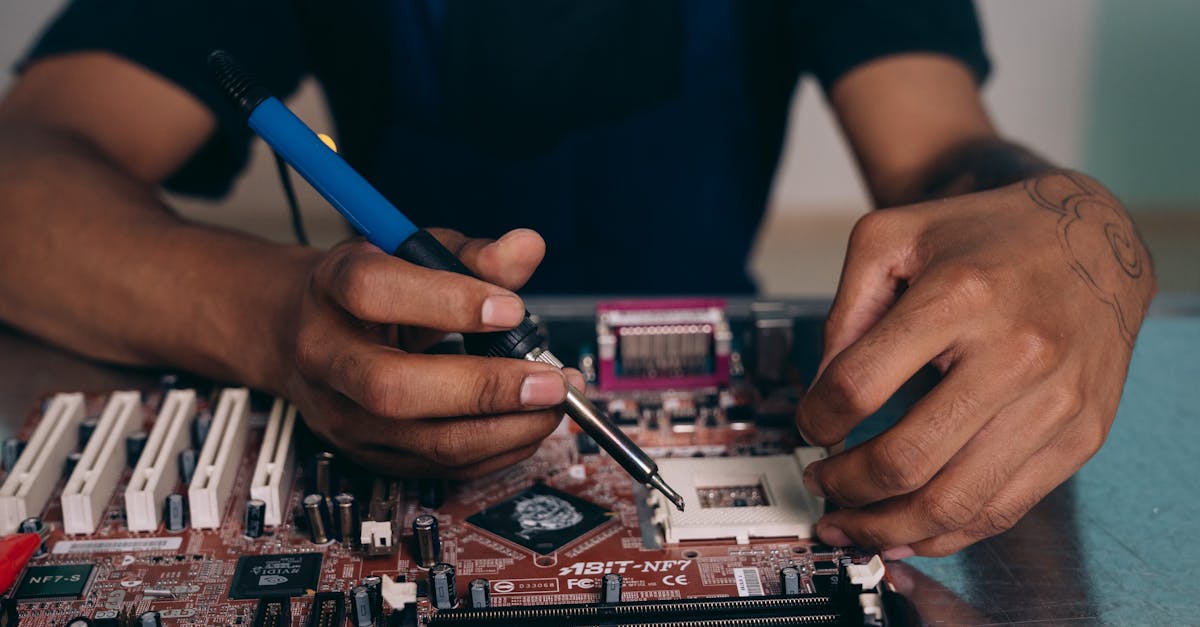
Retro computing resurfaces on Hacker News
Hacker News users revive 1980s computer books, nostalgic essays, and a deep dive into the C64 dead test font, sparking fresh debate.

Googlebook challenges Apple’s retail play as Mac Studio prices
Google’s $899 AI‑native laptop and Apple’s store‑first philosophy clash amid rising component costs and AI‑driven hardware bets.
Xiaomi MiMo 2.6, Grok 4.7, and a Wave of Mid‑Month Tech Setbacks
A roundup of Xiaomi's MiMo 2.6 launch, x.ai's Grok 4.7 update, NASA's Mars Sample Return cancellation, and other mid‑September tech headlines.