

Retro computing resurfaces on Hacker News

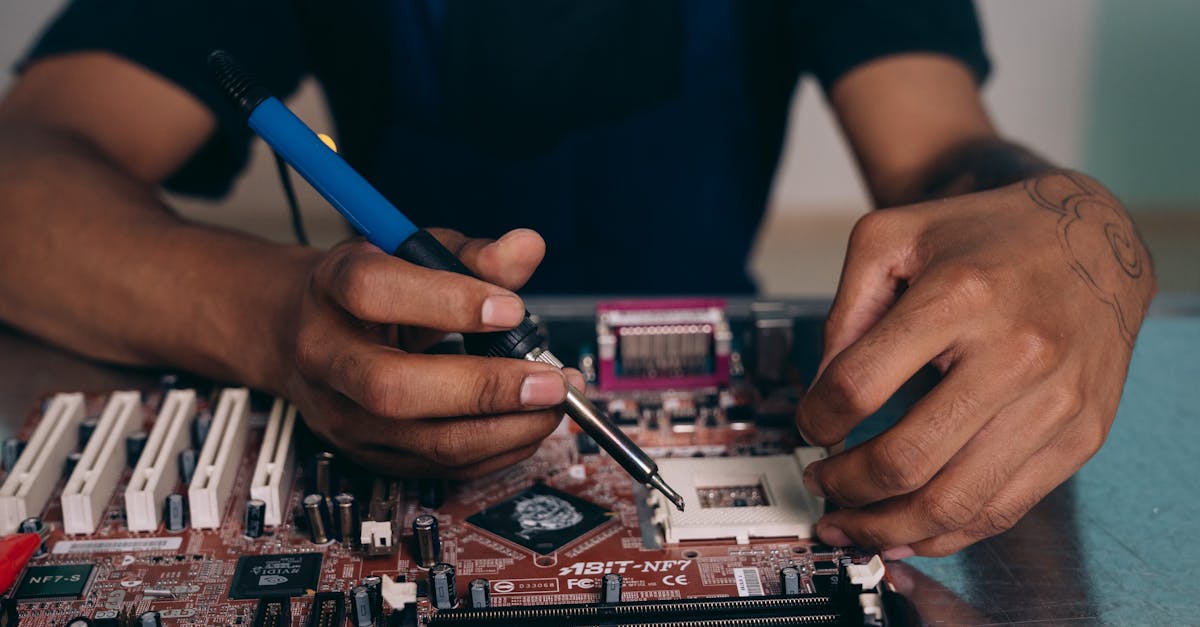
Photo by Mikhail Nilov on Pexels
The Hacker News front page lit up with three retro‑computing threads that pulled engineers back to the 1980s.
One thread linked to Usborne’s catalog of 1980s computer and coding books (https://usborne.com/us/books/computer-and-coding-books). The post earned 109 points and attracted 34 comments. Another thread shared a personal essay titled Childhood Computing on susam.net (https://susam.net/childhood-computing.html). That post gathered 118 points and 66 comments. The third thread pointed to a technical analysis of the C64 dead test font on masswerk.at (https://www.masswerk.at/nowgobang/2026/c64-dead-test-font). It received 111 points and 19 comments. The three stories together illustrate a growing appetite for the artifacts that shaped a generation of developers.
Usborne’s 1980s computer books get a fresh look
Usborne’s website lists a range of computer and coding books published in the 1980s. The titles sit alongside cover art that still shows chunky keyboards and pixel‑perfect diagrams. The catalog is not a marketing push; it is a straightforward inventory of legacy titles that were once staples on school shelves.
For engineers who grew up with punch cards or BASIC, the books serve as a time capsule. Flipping through a 1982 guide on assembly language feels like opening a manual for a different world. The tactile experience of paper, the margin notes, and the limited colour palette all remind readers that modern IDEs grew out of these humble beginnings.
The Hacker News discussion highlighted both nostalgia and criticism. Some commenters praised the preservation effort and argued that new developers should study the original pedagogical style. Others warned that the books can be misleading if read without context, noting that the hardware assumptions are obsolete. The thread’s 109 points suggest that the community values the chance to revisit primary sources, even as it debates their relevance.
Childhood Computing essays strike a nostalgic chord
The Childhood Computing essay on susam.net offers a first‑person recount of early exposure to home computers. The author describes evenings spent typing on a ZX Spectrum and the thrill of loading programs from cassette tapes. The piece resonated strongly, earning 118 points and sparking 66 comments.
Readers responded with similar memories, creating a chorus of shared experience. Many engineers admitted that those formative moments still influence how they approach problem solving. The essay’s candid tone avoided any romanticized gloss; it mentioned broken screens, missed keystrokes, and the frustration of debugging without modern tools.
A minority of commenters pushed back, suggesting that nostalgia can blind practitioners to the progress made since the 1980s. They argued that clinging to “the good old days” risks ignoring the efficiencies of current languages and cloud platforms. The debate illustrates a tension between reverence for origin stories and the drive to move forward.
The C64 dead test font: a technical deep dive
Masswerk.at’s article examines the C64 dead test font, a bitmap used to verify the integrity of the Commodore 64’s character generator. The analysis explains how the font’s pattern reveals dead pixels on the original hardware. The URL includes the year 2026, indicating that interest in the topic persists decades after the machine’s commercial life ended.
The piece walks through the font’s construction, showing how each glyph maps to a specific byte sequence. It also details the testing procedure: loading the font, rendering it on screen, and comparing the output to a known reference. The technical depth satisfies readers who enjoy low‑level hardware verification.
The Hacker News response was modest but enthusiastic, with 111 points and 19 comments. Some participants shared their own test rigs, while others questioned the practical value of such niche preservation work. Even the skeptics acknowledged that the effort keeps the C64’s engineering lessons alive for future hobbyists.
Why vintage computing is resurging now
The three threads are not isolated curiosities; they sit within a broader revival of vintage hardware and software. Online marketplaces report steady sales of original consoles, and emulation projects receive regular contributions. This trend reflects both a collector’s impulse and a pedagogical desire to understand constraints that shaped early software design.
Developers who study original manuals or test fonts often report fresh insights. Constraints such as limited memory, fixed screen resolution, and single‑threaded execution force creative trade‑offs. Those lessons can inform modern practices, especially in domains like embedded systems where resources remain scarce.
The resurgence also fuels community building. Forums, Discord channels, and sub‑reddits dedicated to retro computing have grown, providing spaces for knowledge exchange. As more engineers join these circles, the feedback loop between nostalgia and technical learning strengthens, ensuring that the legacy of 1980s machines stays relevant.
What to watch
Track upcoming reprints of classic computing books from publishers like Usborne. A new edition could signal commercial confidence in the market and bring these resources to a wider audience.
Watch for announcements of C64 preservation events or firmware releases that incorporate the dead test font methodology. Such developments will reveal whether the hobbyist community can translate niche technical work into broader hardware‑maintenance standards.
Updates
- 2026-09-02 — Uber beats Waymo as first to launch robotaxis in London (source)
Related Articles
C64's 1982 debut fuels a thriving retro‑computing renaissance
The 1982 launch of the Commodore 64 still drives modern retro communities, from news aggregators to PLATOTERM ports and DIY scale models.

Social feeds crumble, subscriptions mutate, and Costco memes rise
Ars Technica flags social media's split, while Hacker News debates Costco habits and self‑cancelling subscriptions, reshaping online engagement.

Googlebook challenges Apple’s retail play as Mac Studio prices
Google’s $899 AI‑native laptop and Apple’s store‑first philosophy clash amid rising component costs and AI‑driven hardware bets.