

Haiku R1 beta6 released, the next step for BeOS’s heir


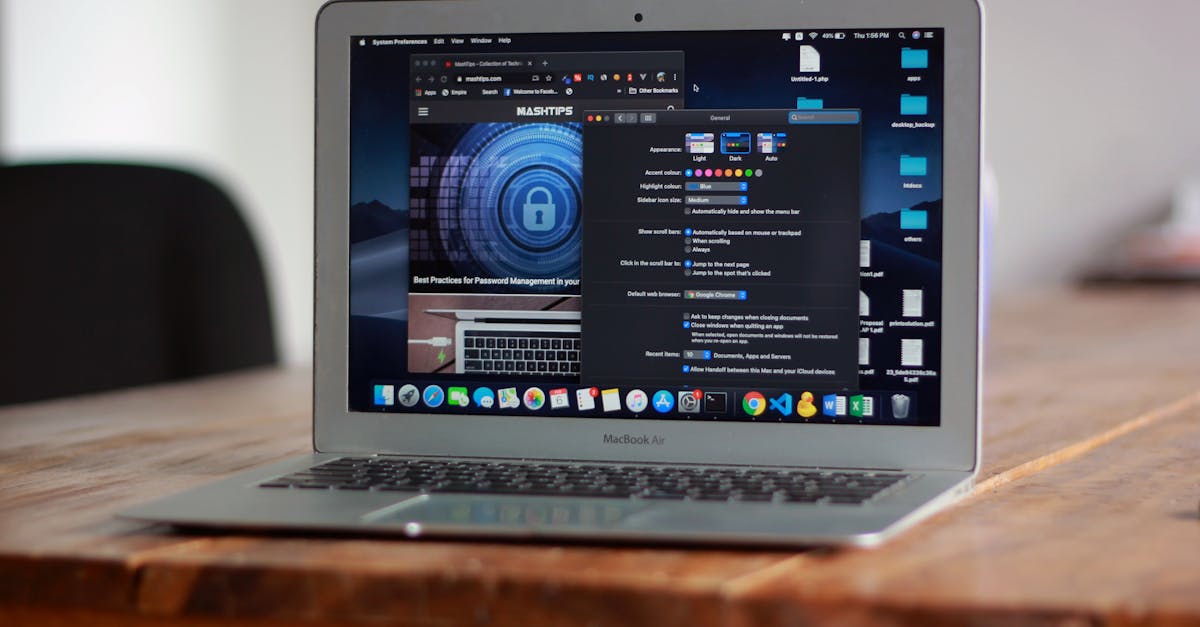
Photo by Tranmautritam on Pexels
Haiku R1/beta6 lands
Haiku R1/beta6 dropped on August 26, 2026. The binary is available as a set of ISO images that you can write to a USB stick, an empty disk, or a DVD and boot directly without installing.
The release is distributed through a global network of donated mirrors and via torrent files. The project also provides SHA‑256 checksums and Minisign signatures; the public key lives at /boot/system/data/trust_db/haiku-2019.pub in recent builds. Users upgrading from beta5 must replace the “Haiku” and “HaikuPorts” repositories with the beta6 equivalents, run a full‑sync or invoke the SoftwareUpdater, and then reboot. The upgrade path is the only officially supported one; attempting to jump from earlier development images is untested and may break.
Why the upgrade matters
Beta5 raised the bar for Haiku’s stability and hardware support, prompting a wave of fresh installations and hobbyist experimentation. Beta6 does not introduce a brand‑new UI, but it delivers the incremental fixes that keep the desktop usable day‑to‑day. The project’s emphasis on a clean upgrade path signals that the team is treating each beta as a stepping stone toward a production‑ready R1.
For power users, the ability to run the new ISO in virtual machines such as QEMU, VMware, or VirtualBox is a practical shortcut. It lets developers test the latest libraries without touching a physical machine, and it speeds up continuous‑integration pipelines that depend on Haiku‑specific toolchains.
From BeOS nostalgia to a modern desktop
BeOS first appeared in 1995 on the PowerPC‑based BeBox and later on x86 hardware. It never broke into the mainstream, even after Be Inc. pitched the OS to Apple as a possible MacOS replacement. The free Personal Edition of BeOS R5 arrived in 1998, but it failed to generate a revival.
A group of fans salvaged the BeOS spirit with OpenBeOS, later renamed Haiku. After eight years of groundwork, the first Alpha emerged in September 2009. The first Beta followed nine years later, at the end of September 2018, adding x86_64 support. That milestone introduced a split: the 32‑bit build remained binary‑compatible with BeOS R5, while the 64‑bit build offered API compatibility only. The beta releases have been the primary gauge of how close Haiku is to becoming a serious desktop contender.
Technical underpinnings
Haiku’s codebase is largely rewritten from scratch. While some BeOS components—Tracker and Deskbar, for example—were open‑sourced, the project rebuilt the modular hybrid kernel and most of the surrounding stack. This modularity lets developers swap out legacy pieces for fresh implementations without destabilising the whole system.
The architecture still honors BeOS’s original vision of a unified desktop experience. The API surface remains compatible enough that many legacy BeOS applications compile and run, yet the system does not rely on a Linux kernel shim. Instead, Haiku offers its own scheduler, file system, and media handling, all designed around low‑latency, multimedia‑first workloads.
What to watch
The next checkpoint will be the community’s feedback on beta6’s stability across real‑world hardware. Watch the Haiku mailing list and the bug tracker for regression reports, especially those related to the new HaikuPorts repository layout. The project has hinted at an R1 final later this year; the timing of that release will depend on whether beta6 can close the remaining gaps in driver support and installer polish. Keeping an eye on the torrent seed health and mirror availability will also be crucial, as a smooth distribution chain is essential for broader adoption.
Updates
Related Articles
Haiku OS boots on Apple Silicon M1 Macs
Open‑source Haiku OS finally runs on Apple’s M1 hardware, marking a rare ARM64 desktop OS on the platform.

Googlebook challenges Apple’s retail play as Mac Studio prices
Google’s $899 AI‑native laptop and Apple’s store‑first philosophy clash amid rising component costs and AI‑driven hardware bets.
Xiaomi MiMo 2.6, Grok 4.7, and a Wave of Mid‑Month Tech Setbacks
A roundup of Xiaomi's MiMo 2.6 launch, x.ai's Grok 4.7 update, NASA's Mars Sample Return cancellation, and other mid‑September tech headlines.