

Google expands AI Overviews, adds Froggy’s World

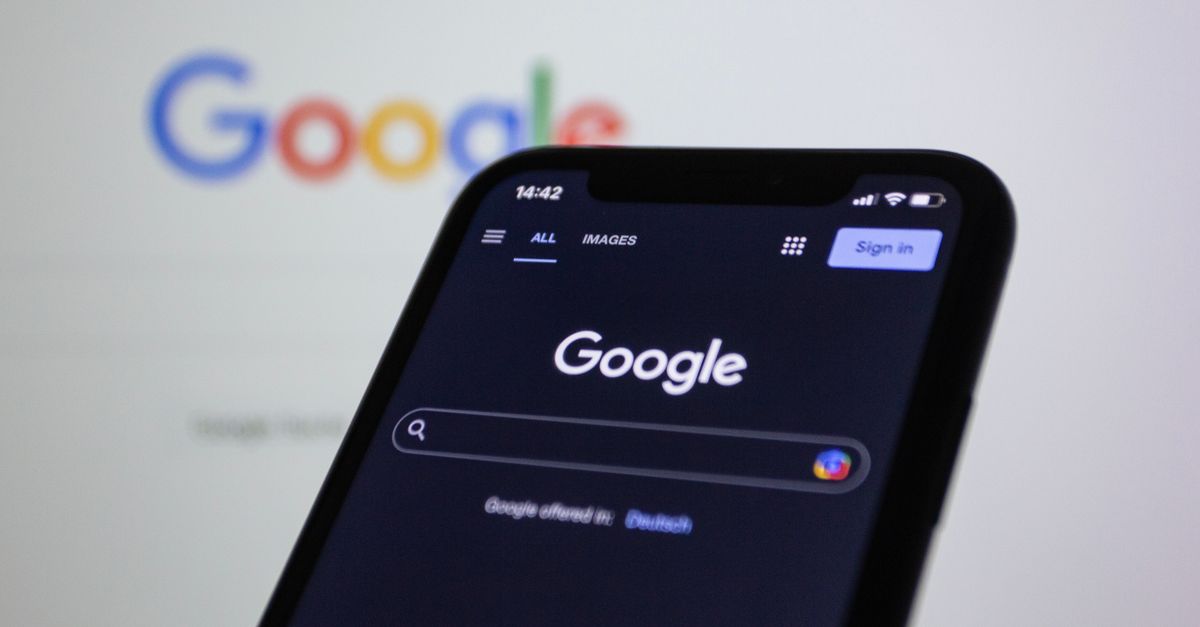
Photo by Bastian Riccardi on Pexels
Google is expanding AI Overviews, adding a cozy mobile game, and opening Dreambeans to free US testers—all in a single week.
The search giant announced that AI Overviews will occupy more screen real estate on a subset of queries, rolled out a new mobile title called Froggy’s World that leans into the Animal Crossing and Stardew Valley vibe, and lifted the subscription barrier on Dreambeans, an experimental daily‑story feed now available at no cost for Google Accounts in the United States.
AI Overviews Expand in Search
Google’s AI Overviews now stretch across a larger portion of the results page for certain searches. The change means the summarizing panel, which blends generative text with key facts, will dominate the visual hierarchy before organic links appear.
The move tightens Google’s grip on the early attention window that competitors like Microsoft’s Bing have been fighting over. By allocating more pixels to the AI‑driven summary, Google forces users to confront its generated answer before they can scroll to traditional listings. Early user feedback points to a mixed reaction: the overview cuts down research time for straightforward queries but can feel intrusive when the answer is incomplete. The rollout is limited to “some searches,” a phrasing that suggests Google is still testing the optimal balance between AI prominence and classic SERP depth.
Froggy’s World: Google’s Return to Cozy Gaming
Google quietly pushed Froggy’s World to Android and iOS stores this week. The title drops players into a pastel‑filled island where they tend gardens, collect insects, and trade with NPCs, echoing the low‑stress loops of Animal Crossing and Stardew Valley.
The game’s aesthetic feels like a deliberate push into the “cozy” niche that has flourished on mobile during the pandemic. Google’s entry is notable because the company has largely stayed out of premium mobile gaming, focusing instead on services and infrastructure. By offering a free‑to‑play experience with no in‑app purchases announced, Google signals a willingness to experiment with user‑generated content and community‑driven economies that could feed data back into its broader ecosystem.
Dreambeans Goes Free: A Test of Hyper‑Personalized Feeds
Dreambeans, an experimental app from Google Labs, now runs without a subscription fee for U.S. accounts. The service promises to “proactively dream up personalized daily stories,” stitching together news, social snippets, and niche interest pieces into a single scroll.
Free access turns Dreambeans into a live field trial for hyper‑personalized curation. The app leans on Google’s massive data pipelines to infer user interests in real time, raising questions about algorithmic echo chambers and data privacy. Because the service is still labeled experimental, Google can iterate quickly based on engagement metrics, but the lack of a paywall also means the company will need to justify the infrastructure cost through ad‑supported models or future product integration.
Context: Google’s Parallel Push into AI and Consumer Experiences
The three announcements illustrate a coordinated effort to embed AI deeper into both search and leisure. AI Overviews extend generative capabilities into the core of information discovery, while Dreambeans applies the same personalization engine to a daily‑reading format. Froggy’s World shows Google testing a consumer‑facing product that could serve as a data source for future AI models.
Google’s strategy mirrors the broader industry scramble where AI‑enhanced experiences are becoming a competitive moat. Microsoft has been layering ChatGPT into Bing and Office, while Apple’s on‑device machine learning powers its own content recommendations. By expanding AI Overviews, freeing Dreambeans, and dabbling in mobile gaming, Google attempts to keep its user attention within a suite of services that all feed the same data lake.
What to Watch
The next quarter will reveal whether AI Overviews stay expanded or retract based on user metrics, how Froggy’s World performs against established cozy titles, and whether Dreambeans graduates from a free test to a monetized product. Keep an eye on Google’s internal AI usage reports, the app’s download rankings, and any policy updates around personalized feed transparency. Those signals will indicate whether Google’s multi‑front push reshapes daily digital habits or fades as a series of isolated experiments.
Related Articles

Googlebook challenges Apple’s retail play as Mac Studio prices
Google’s $899 AI‑native laptop and Apple’s store‑first philosophy clash amid rising component costs and AI‑driven hardware bets.
Google adds AI to Android with Health 5.08 and Find Hub update
Google rolls out Health 5.08 and a Gemini‑powered Remembered tab in Find Hub, tightening AI across Android.

Google pushes AI across Workspace, Pixel, and Messaging
Google adds AI-driven fantasy football coaching, upgrades Gemini in Workspace, ships a Pixel 11 security patch, and folds Keep Notes into Messages.