

Europe funds launch startups as cheap rockets reshape the market

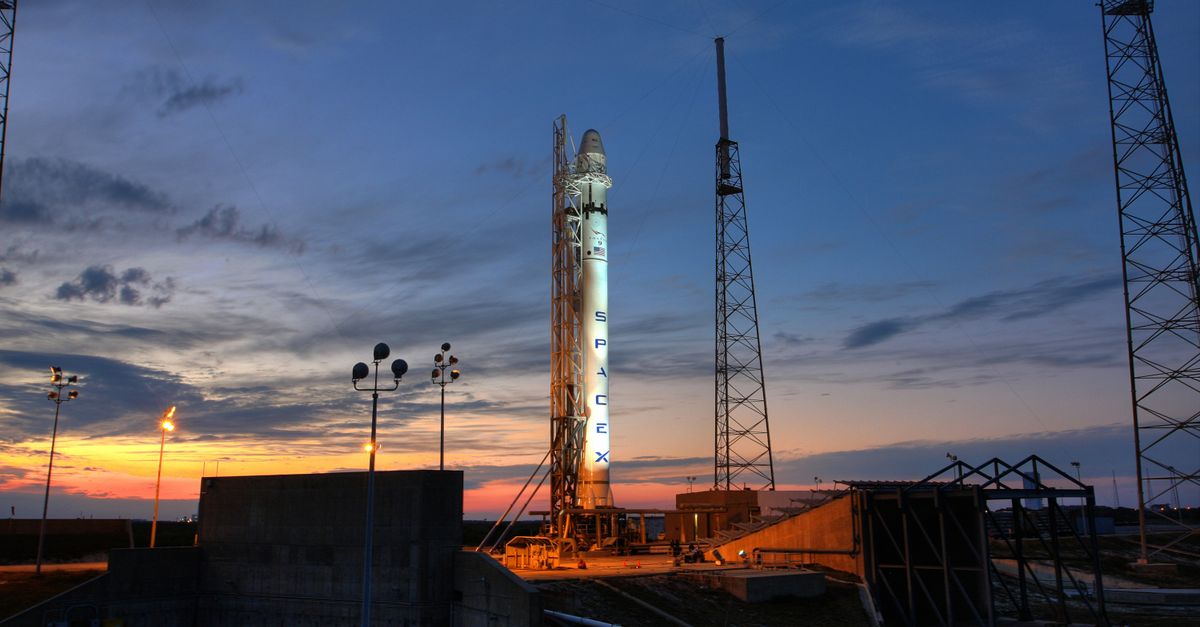
Europe pumps money into launch startups
Europe announced a modest cash injection for a handful of launch companies, and the Pallas‑1 vehicle is slated for its first orbital attempt within weeks. The move follows a broader shift toward cheaper access, a trend highlighted by SpaceX’s decision to fly all future Starlink missions from Florida on its Starship system.
The funding announcement was brief but explicit: European agencies will back several early‑stage providers, with the Pallas‑1 test flight expected to lift off from a Mediterranean spaceport later this month. No amounts were disclosed, but the backing signals a willingness to diversify launch options beyond the traditional heavyweight players.
Industry observers see the cash as a bet on the next wave of reusable boosters that promise to undercut the $10,000‑per‑kilogram price floor that has haunted the sector for decades. If Pallas‑1 can demonstrate a reliable, low‑cost launch cadence, the European market could finally compete with the American private‑sector surge.
Why launch costs finally moving
For most of the past half‑century, the cost to place a kilogram in orbit hovered stubbornly above $10,000. New concepts—spaceplanes, tethers, catapults—failed to break the impasse, and the high price throttled risk‑taking in satellite development.
SpaceX’s Falcon Heavy shattered that ceiling by delivering payloads at roughly a tenth of the cost of its closest competitor. The dramatic drop forced other firms to rethink their economics, and the market now watches whether the current low‑price plateau will deepen or flatten.
The launch‑cost revolution is not limited to rockets. Startups such as Spinlaunch, which raised $40 million in 2018, are testing turbine‑driven launch towers that could fling dozens of small satellites a day. Tether concepts from Tethers Unlimited aim to boost satellites without burning additional propellant. Each of these approaches targets the same goal: shave dollars off the per‑kilogram bill of materials.
Advanced testbeds: X‑37B quantum navigation
The US Space Force’s secretive X‑37B spaceplane will lift off on a Falcon 9 no earlier than August 21 from Kennedy Space Center. The vehicle, about 29 feet long, will carry a service module that expands its experiment capacity for the Air Force Research Laboratory and the Defense Innovation Unit.
Among the payloads are high‑bandwidth inter‑satellite laser communications demonstrators and the “highest‑performing quantum inertial sensor ever tested in space.” Boeing’s quantum inertial measurement unit uses atom interferometry to detect rotation and acceleration, promising precise positioning when GPS signals are denied or degraded.
Gen. Chance Saltzman framed the mission as a step toward resilient, diversified satellite architectures. If the quantum sensor validates its performance in orbit, it could become a cornerstone for navigation around the Moon or deep‑space probes where traditional navigation aids are unavailable.
Do‑it‑yourself satellites and the last launch bottleneck
In Glasgow, 25‑year‑old Tom Walkinshaw runs PocketQube Shop, a business that sells the aluminum chassis for 5 cm³ satellites at roughly $20 000 a unit. The company recently secured a £63 000 grant from Scottish Enterprise to develop a combined power board and battery for its kits.
PocketQubes are half the size of CubeSats and can carry radios, on‑board computers, and even star‑tracking cameras in a 5 × 5 × 10 cm package. Walkinshaw’s customers range from university labs to an after‑work club of American engineers, but the biggest obstacle remains launch availability; only one provider currently offers rides for these tiny payloads.
Walkinshaw dreams of a dedicated Scottish launch site that could fire PocketQubes on a regular cadence, a vision that would remove the “worst‑case” launch scenario he describes. Until such infrastructure exists, hobbyists must rely on piggy‑back opportunities on larger rockets, a bottleneck that keeps the market niche rather than mainstream.
What to watch
The next few months will reveal whether Europe’s modest funding translates into a repeatable launch cadence for Pallas‑1 and its peers. In the United States, the X‑37B’s quantum inertial sensor results, expected later this year, will indicate if GPS‑independent navigation is ready for operational use. Finally, the PocketQube ecosystem will hinge on the emergence of a dedicated launch service—watch for any partnership announcements between Scottish launch firms and emerging small‑satellite ride‑share providers. Each of these data points will shape the trajectory of a market that finally seems to be breaking the $10 000‑per‑kilogram barrier.
Updates
- 2026-09-03 — Ollie is betting its focus on privacy can help it win the AI assistant race (source)
Related Articles
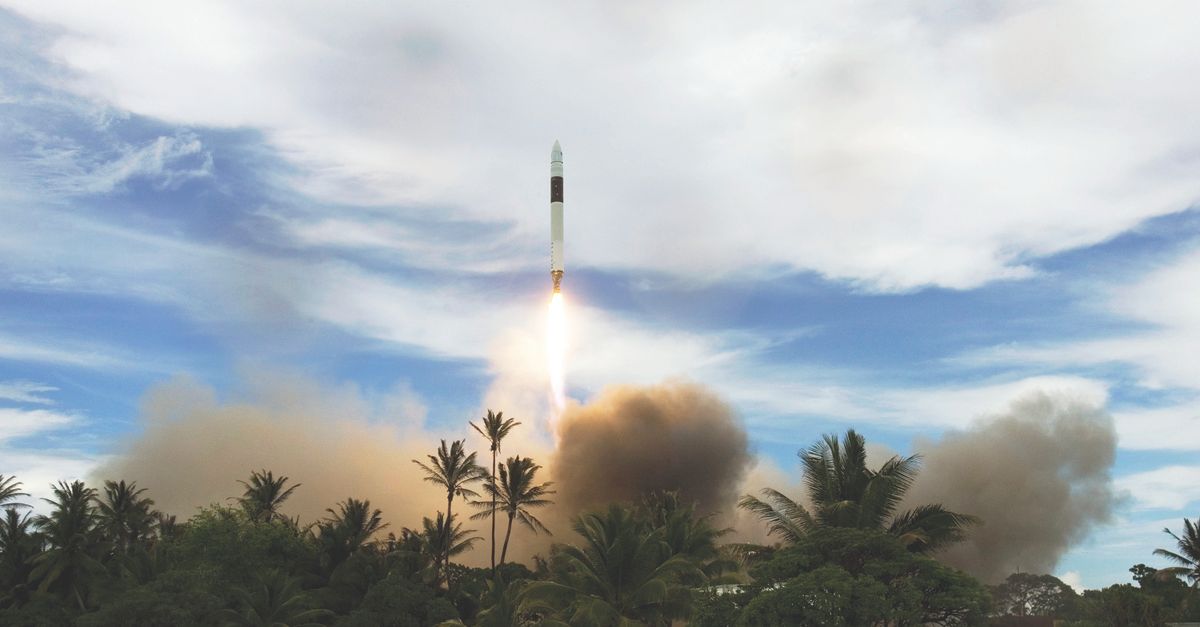
German Rocket Spectrum Reaches Orbit from Norway
Isar Aerospace’s Spectrum rocket completed its maiden flight from Andøya Space, giving Germany its first private orbital launch from European soil.
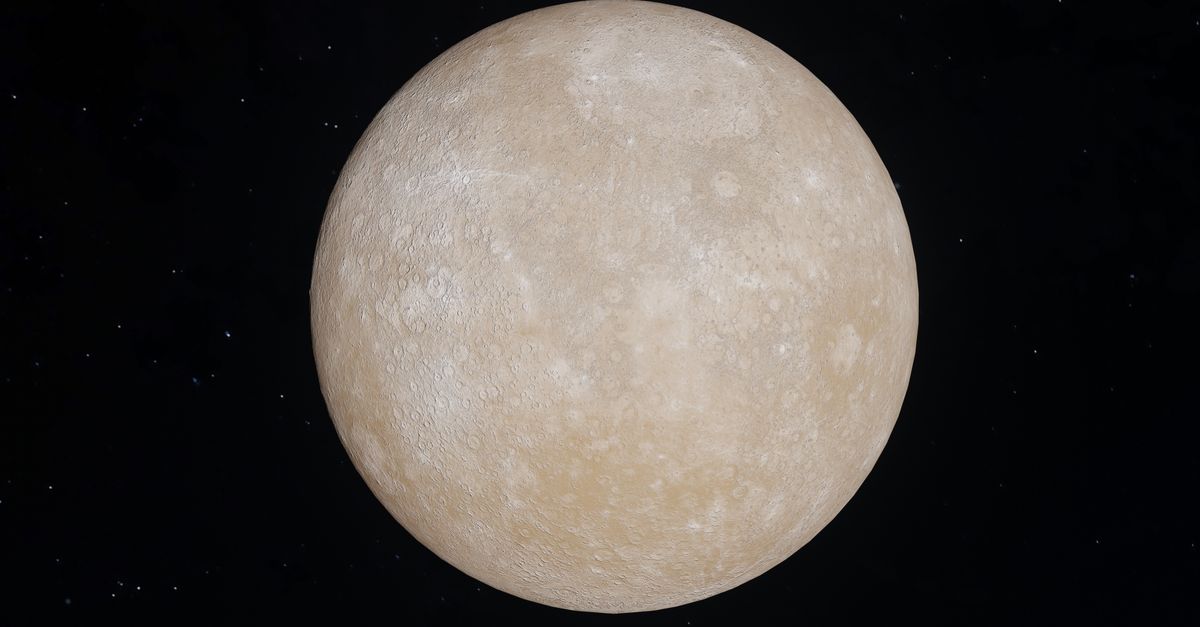
Europe’s BepiColombo nears Mercury as US space rhetoric spikes
Europe’s eight‑year BepiColombo cruise reaches Mercury while US officials stir diplomatic tension; European launch startups chase fresh funding.
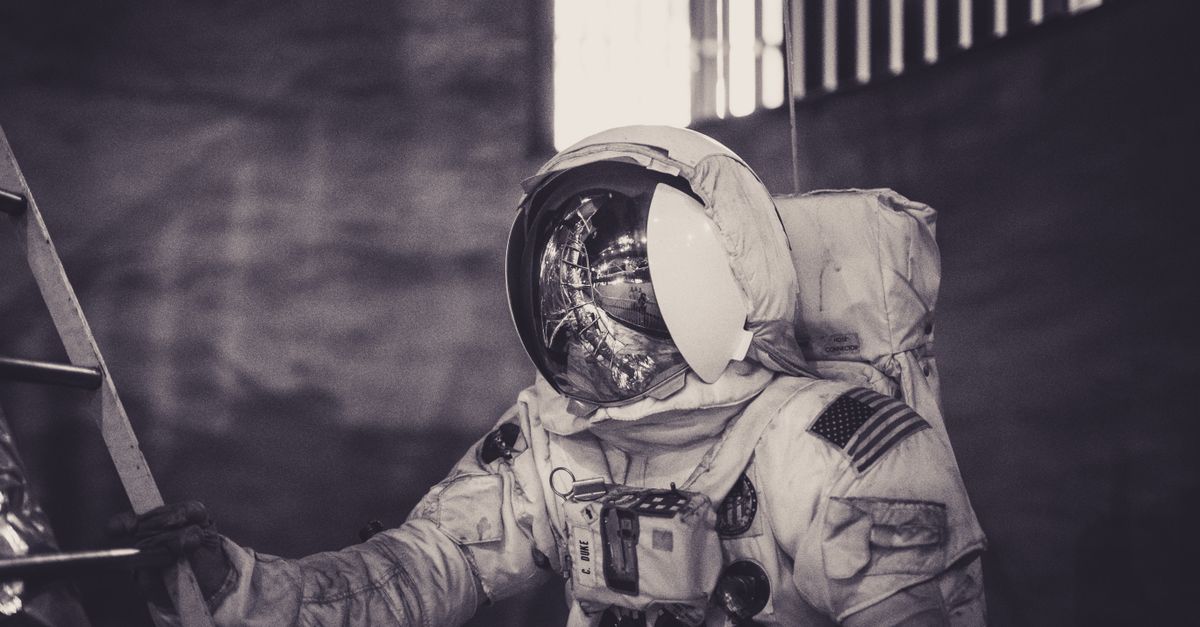
NASA suits up, Army lasers drones, Russia’s satellite setbacks
NASA trims Artemis IV schedule, forcing a new lunar suit; the Army proves a 20 kW laser can kill drones; Russia’s Rassvet constellation shows early failures.