

Apple unveils iOS 27 Photos upgrades, Ultra 4 leaks, M6 debut


Photo by AS Photography on Pexels
Apple’s latest software and hardware moves tighten its grip on the premium ecosystem. The upgrades touch everyday workflows – from family photo sharing to the tools engineers use to prototype the next Mac.
iOS 27 ships with a refreshed Photos app that expands iCloud Shared Albums. At the same time, 9to5Mac reports that the Apple Watch Ultra 4 will land on September 9, the iPhone 18 Pro is slated for the same date, and the M6 silicon debuts in a new Mac mini with a capability previously limited to M5 Pro and Max chips.
iOS 27 reshapes iCloud Shared Albums
The Photos overhaul centers on iCloud Shared Albums, a feature many users rely on for collaborative curation. Apple has added editing shortcuts, faster sync, and tighter permission controls. The changes feel like a response to long‑standing complaints about lag and accidental deletions. By making shared collections behave more like a native folder, Apple reduces the friction that once forced power users to resort to third‑party services.
The update also surfaces a new activity feed that surfaces who added or edited a photo in real time. According to 9to5Mac, the feed appears directly in the album view, eliminating the need to open a separate tab. For teams that treat shared albums as a lightweight asset library, the improvement is immediately practical.
Apple Watch Ultra 4 rumors sharpen the edge
9to5Mac says the Ultra 4 will arrive on September 9, positioned as a rugged upgrade to the Ultra line. The report highlights several differentiators: a brighter always‑on display, a refined battery management algorithm, and new sensor firmware that promises more accurate depth measurements. None of these tweaks are revolutionary, but they tighten the spec sheet against competing endurance watches.
The rumored changes matter because the Ultra series has become a benchmark for outdoor durability. If the display truly reaches higher nits, users will see clearer data in bright sunlight. The battery tweaks could extend multi‑day outings, a claim that will be tested against real‑world usage. The sensor upgrade, while subtle, may improve the accuracy of elevation tracking, a feature that power users have demanded for years.
iPhone 18 Pro teases two standout upgrades
Apple is expected to unveil the iPhone 18 Pro on September 9, and 9to5Mac has identified two features that dominate the rumor pool. The first is a revamped camera processing pipeline that promises lower noise in low‑light shots. The second is a new adaptive refresh rate that can dip below 60 Hz to save battery during static tasks.
Both upgrades target the same audience that already pushes the Pro line for content creation. Lower noise means cleaner footage for vloggers, while the adaptive refresh rate translates to measurable battery gains for power users who run multiple background services. The trade‑off is a potential increase in software complexity, which could introduce new bugs in the early software iterations.
M6 chip lands in the new Mac mini
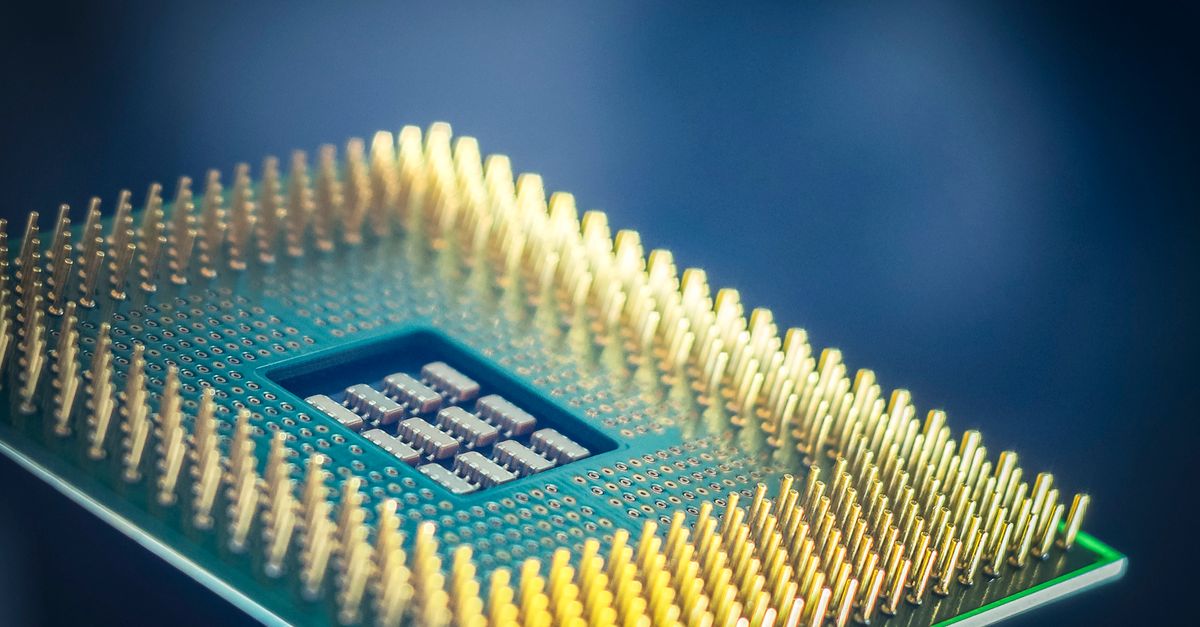
Apple’s next‑generation M6 silicon arrives first in the refreshed Mac mini, according to 9to5Mac. The chip inherits a feature that was previously exclusive to the higher‑end M5 Pro and Max variants: a dedicated neural engine that can execute up to 30 TOPS (trillion operations per second). Bringing that capability to the entry‑level desktop blurs the line between consumer and professional workloads.
The move signals a shift in Apple’s silicon strategy. By democratizing high‑end compute blocks, Apple forces developers to rethink tiered software licensing. Applications that once required a Pro‑class Mac may now run on a modestly priced mini, expanding the market for intensive AI‑driven workloads. The real test will be thermal performance; the compact chassis leaves less headroom for heat dissipation.
What to watch next
All four announcements converge on September 9, when Apple is expected to host a joint hardware event. The key data points to track are the actual performance numbers of the M6 neural engine, the real‑world battery life of the Ultra 4, and user feedback on the Shared Albums activity feed. If any of these elements fall short of the promises, Apple may need to issue software patches or rapid hardware revisions before the next annual cycle.
Updates
Related Articles

Apple's rapid RC rollout pressures macOS developers
Apple released second release candidates for macOS Tahoe and Sequoia, while beta streams for Golden Gate and iOS 27.2 accelerate, sparking developer strain and highlighting ecosystem frictions.
Apple's M5 Ultra and M6 raise the bar for desktop AI
Apple launches the M5 Ultra and M6 chips in refreshed Mac Mini and Mac Studio, aiming at local AI workloads while modestly improving performance.
Apple doubles down on content, wallets and hardware speed
Apple adds a new original film star, fixes Wallet order tracking, rolls out Peanuts premieres, and reshuffles hardware leadership to speed future devices.