

Apple cuts 60 Vision team members as VR focus wanes

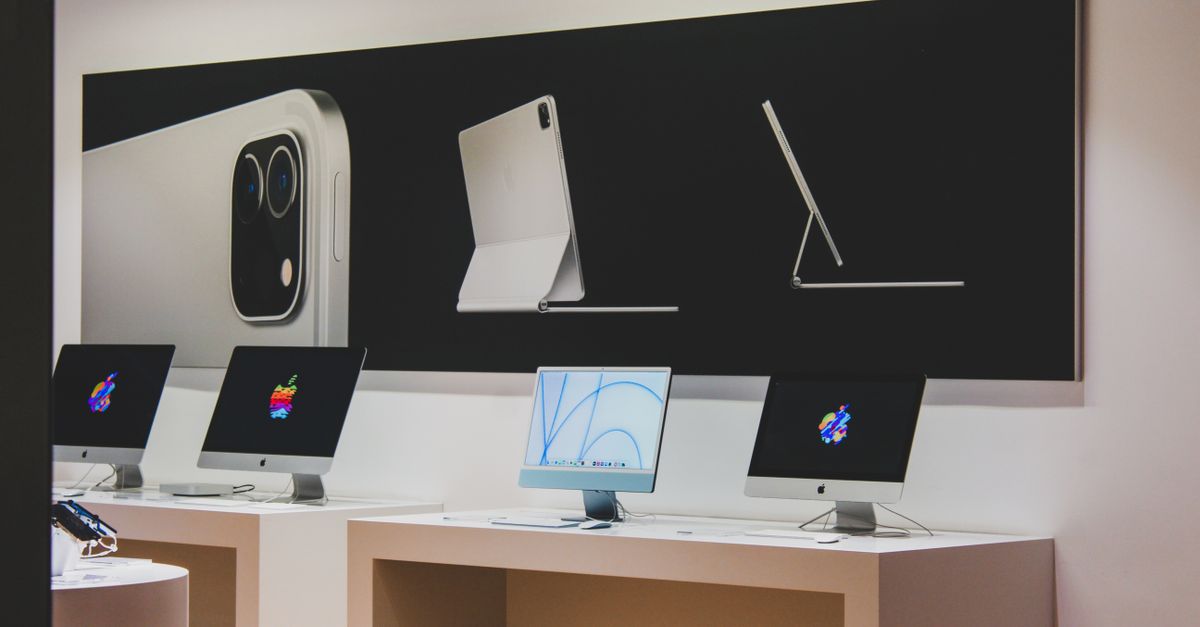
Photo by Czapp Árpád on Pexels
Apple shutters its Vision VR team
Apple confirmed that an entire group dedicated to its mixed‑reality headset was let go this week. The cut affects at least 60 engineers and designers, according to AppleInsider and reported by 9to5Mac. The move is a blunt signal that the company is deprioritizing its VR ambitions after a rocky rollout of the Vision Pro.
The layoffs hit the core team that built the headset’s optics, spatial audio, and developer tools. Apple has not disclosed a timeline for any replacement effort, and no official comment has been offered beyond the standard corporate statement about “realigning resources.”
A VR program that never found its market
When Apple unveiled Vision Pro in early 2024, it billed the device as a new computing platform that would redefine work and entertainment. The price tag—just under $3,500—combined with a limited app ecosystem kept sales modest. Analysts have repeatedly warned that the market for high‑end headsets is thin, and the recent layoffs confirm that Apple is not willing to subsidize a losing proposition.
Apple’s VR push also clashed with its broader hardware strategy. The company has poured resources into wearables that generate recurring revenue, such as AirPods and the Apple Watch. The decision to cut the Vision team suggests a reallocation of talent toward products that already show stronger margins.
Smartphone sales slump forces hard choices
Apple’s VR retreat cannot be viewed in isolation. Four Counterpoint Research reports released this week show that global smartphone shipments and sales fell across India, Latin America, Europe, and China. The declines are the first coordinated drops in years for Apple’s flagship iPhone line, and they underscore a market that is increasingly price‑sensitive.
A shrinking smartphone base reduces the pool of potential Vision Pro customers, many of whom are iPhone power users. With fewer new iPhone buyers, Apple’s ability to cross‑sell premium accessories—like a high‑cost headset—diminishes. The company’s leadership appears to be tightening the belt, focusing on segments where it can command a premium.
Shifting the hardware narrative toward wearables and AI
While the Vision team disappears, Apple is quietly expanding other product lines. The latest AirPods Pro 3 firmware beta landed today for developers and public testers, promising refined spatial audio tuning and a faster Bluetooth stack. The update shows Apple’s commitment to incremental improvements that keep its earbuds competitive against rivals.
On the software side, Apple Music is preparing visible labels for AI‑generated tracks, a move announced in March and fleshed out this week. The labeling requirement aims to give listeners clarity about algorithmic content, a modest but concrete step toward responsible AI deployment.
watchOS 27 is also on the horizon, with three new features that emphasize health tracking and tighter integration with the Apple ecosystem. The update reinforces Apple’s strategy of extracting more value from its existing device base rather than chasing unproven form factors.
Even the rumored MacBook Ultra, slated for a fall launch, follows the same playbook: a higher‑end laptop that leverages Apple’s silicon advantage without venturing into untested categories. The upcoming HomePad hub—another “every‑room” smart home device—continues the pattern of incremental hardware that builds on existing services.
What to watch next
The fallout from the Vision layoffs will surface in the next earnings call, where analysts will probe whether the move improves Apple’s operating margin. Keep an eye on the next Counterpoint report for updated smartphone shipment data; a rebound could revive the headset’s prospects, while a deeper decline may cement Apple’s retreat from VR.
Watch for the public release of the AirPods Pro 3 firmware, which will reveal how much performance gain Apple can extract from its audio stack. The rollout of AI labels in Apple Music will be another litmus test for the company’s willingness to police algorithmic content.
Finally, the launch windows for watchOS 27, the MacBook Ultra, and the HomePad will indicate whether Apple is consolidating around a tighter set of products or preparing to re‑enter new categories later. The next quarter will make clear if the Vision Pro experiment is truly over or merely on hold.
Updates
- 2026-09-11 — Counterpoint: Apple foldable panel shipments could rise 167% by 2030 (source)
Related Articles

Googlebook challenges Apple’s retail play as Mac Studio prices
Google’s $899 AI‑native laptop and Apple’s store‑first philosophy clash amid rising component costs and AI‑driven hardware bets.
Apple’s Fall Blitz Mixes New Gear, TV Marathons
Apple drops a four‑week TV premiere marathon, launches Watch Ultra 4, Series 12 and AirPods 5, and faces app and listening concerns with the upcoming iPhone Duo.
Apple’s latest hardware moves expose divergent strategies
Apple unveiled new MacBook Neo sales data, upcoming iPhone 18 Pro displays, iPhone Ultra features, Vision Pro surgery use, and watchOS 27 changes, highlighting shifting priorities.