

Wearables, DNA kits, and Dog Brains: How Tech Reads You

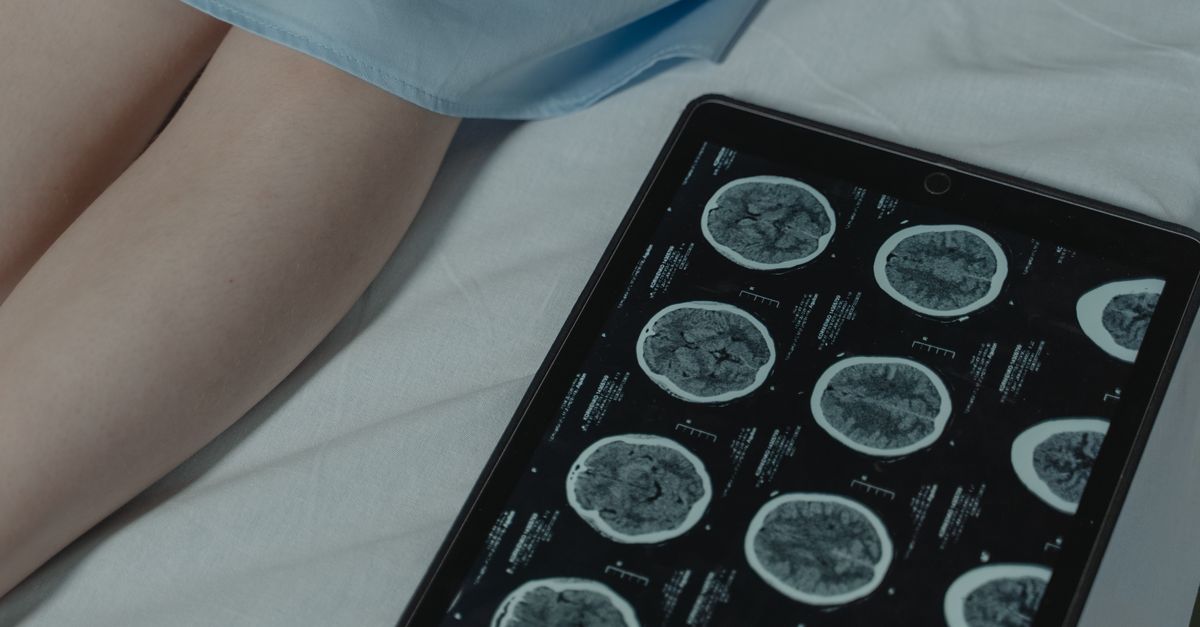
Photo by Tima Miroshnichenko on Pexels
The latest fMRI study proves dogs differentiate human emotions in real time, a finding that nudges pet tech toward true affective reading. At the same time, a budget smartwatch and a DNA‑based health kit reveal how consumer gadgets are slipping into the business of personal monitoring.
Ars Technica reported that fMRI scans identified distinct brain activity patterns for happiness, fear, anger, and sadness in canines. Engadget noted that Motorola’s Moto Watch looks like a capable and affordable timepiece, but its performance betrays the sleek exterior. CircleDNA’s marketing page lists professors Jänne, Mok, and Yang as advisors and touts claims such as 187% greater weight loss when users follow DNA‑tailored advice.
Emotion Detection in Dogs
The fMRI work used a standard scanner to monitor dogs watching human facial expressions. The scans showed reproducible activation clusters that matched the four target emotions. The research team emphasized that the patterns were consistent across breeds, suggesting a shared neural architecture for reading human affect.
If a dog can register a human’s fear, the implication for service animals is immediate. Trainers could condition dogs to respond to subtle emotional cues, not just verbal commands. The study stops short of proposing a commercial device, but the data lay a foundation for wearable EEGs that might later map those same patterns on the go.
Critics warned that brain‑reading in animals remains an indirect measure. The authors themselves noted that fMRI captures blood flow, not the exact firing of neurons. Translating a lab signal into a consumer alert will require a hardware pipeline that can survive a backyard or a bustling office.
The Moto Watch: A Case of Form Over Function
Motorola’s 2026 Moto Watch arrives with a stainless‑steel case and an OLED display that rivals premium models. The price tag lands under $150, a figure that attracts budget‑conscious buyers looking for a smartwatch without a flagship badge.
Hands‑on testing revealed a latency in heart‑rate sampling that renders the fitness metrics unreliable. The watch also struggles to maintain a Bluetooth connection beyond a single room, a flaw that undercuts its claim of “always‑on” tracking. The reviewer at Engadget summed it up: looks can be deceiving.
The device’s shortcomings matter because a growing segment of users depends on wearables for health alerts. When a smartwatch fails to register a rapid heart‑rate spike, the user loses a safety net that could have prompted a doctor visit. The episode underscores that a sleek case does not replace robust sensor integration.
DNA‑Driven Health Guidance
CircleDNA markets a kit that promises a blueprint for lifelong well‑being. The company highlights the involvement of oncology leaders such as Prof. Jänne, whose work on EGFR mutations underpins the test’s cancer‑risk reporting.
The kit claims to deliver clinically validated results for rare, actionable genes and to flag heart disease, cholesterol, and blood‑pressure risks. It also advertises a 187% greater weight‑loss outcome when users follow its DNA‑tailored advice, a figure that appears in the promotional copy.
Skeptics point out that the test’s predictive power depends on the quality of the underlying data set. The marketing page notes that 24% of individuals are carriers of a genetic condition and that 40% of cancer‑causing mutations slip past standard testing. Those numbers illustrate the niche that a more comprehensive panel hopes to fill, but they also reveal the statistical uncertainty that users must accept.
What the Convergence Means
The three stories share a common thread: technology is moving from measuring overt signals to inferring internal states. Whether it is a dog’s neural response, a smartwatch’s pulse readout, or a DNA‑based risk profile, the promise is richer context for personal decisions.
What to watch: the next iteration of wearable sensors that claim to capture emotional biomarkers, the release of any FDA‑cleared smartwatch that can trigger health alerts, and the regulatory response to direct‑to‑consumer genetic reports that market specific lifestyle outcomes. Those milestones will decide whether the current hype translates into reliable tools for everyday life.
Updates
- 2026-08-19 — Framework gave its 12-inch laptop some hardware upgrades (source)
Related Articles
ZuckOff alerts users to nearby Meta glasses amid privacy backlash
A Polish developer's free app warns iPhone and Android users when Meta's recording glasses are in the room, sparking debate over privacy and tech liability.
New hardware quirks ring note‑taker AI feeder retro upgrades
A ring‑sized note taker, AI‑driven cat feeder, free retro‑handheld upgrades, E Ink tablets, and Android UI tweaks illustrate niche hardware shifts.
Apple hikes iPhone prices while rolling out foldable and AI
Apple raises older iPhone prices, adds iPhone Duo developer tools, launches Siri AI in English, and unveils Watch Series 12 health sensors.