

US Bans Foreign Humanoids

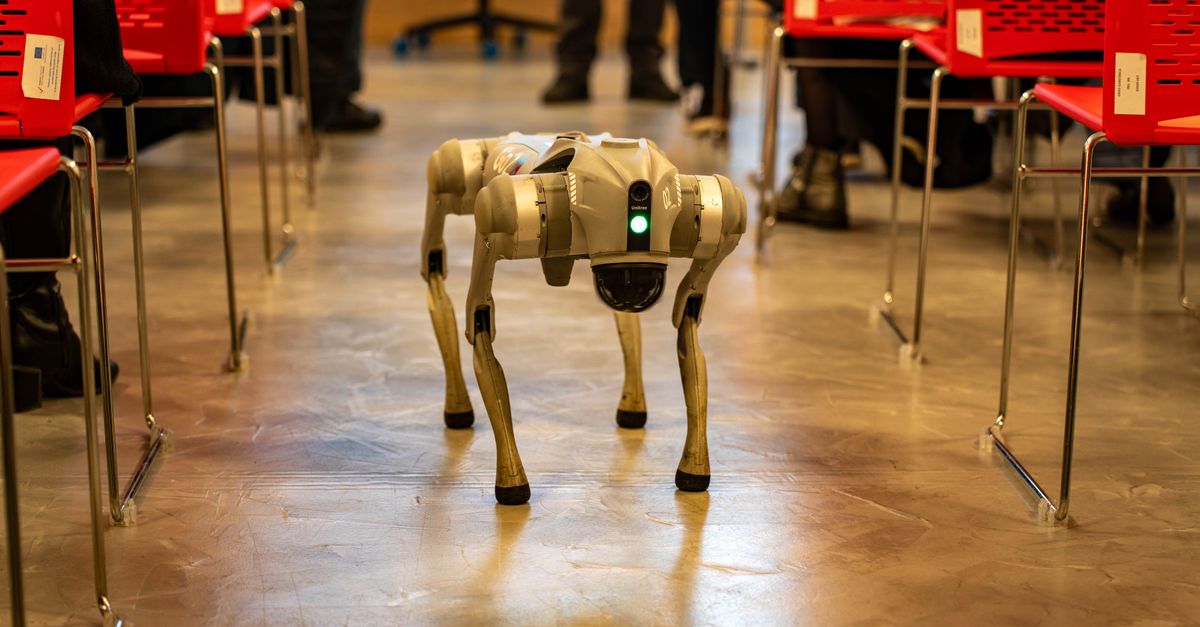
Photo by Vladimir Srajber on Pexels
Introduction to the Ban
The US government has banned new foreign-made humanoids, robot dogs, and solar inverters, citing national security risks. This move affects U.S. imports from China, which dominates the global market for humanoid robots and solar inverters. The ban is a significant development in the ongoing efforts to address national security concerns related to foreign-made technology.
Impact on the US Market
The ban affects companies relying on Chinese imports. The US government cites national security risks associated with foreign-made robots and solar inverters. These risks include the potential for espionage, sabotage, and other malicious activities. Companies that have relied heavily on Chinese imports will need to adapt quickly to find alternative suppliers.
China’s Dominance in the Market
China dominates the global market for humanoid robots and solar inverters. The ban applies to new foreign-made products. China’s dominance in the market is due to its large manufacturing capacity, low labor costs, and government support for the industry. However, this dominance has also raised concerns about the country’s influence over the global supply chain.
Industry Context
The ban on foreign-made humanoids, robot dogs, and solar inverters is part of a larger trend of increasing scrutiny of foreign-made technology. The US government has been reviewing the national security implications of foreign-made technology, including 5G networks, artificial intelligence, and cybersecurity products. This trend is likely to continue, with the US government taking a more active role in regulating the import of foreign-made technology.
History of Regulatory Actions
The US government has taken several regulatory actions in the past to address national security concerns related to foreign-made technology. These actions include the ban on Huawei and ZTE equipment, the review of foreign investments in US companies, and the imposition of tariffs on foreign-made goods. The ban on foreign-made humanoids, robot dogs, and solar inverters is the latest in a series of actions aimed at protecting national security.
Technical Mechanics
The ban on foreign-made humanoids, robot dogs, and solar inverters raises important questions about the technical mechanics of these products. How do these products work, and what are the potential risks associated with their use? Humanoid robots, for example, use advanced algorithms and sensors to navigate and interact with their environment. However, these algorithms and sensors can also be used for malicious purposes, such as espionage or sabotage.
Downstream Implications
The ban on foreign-made humanoids, robot dogs, and solar inverters will have significant downstream implications for companies and individuals who rely on these products. Companies will need to find alternative suppliers, which may be more expensive or less reliable. Individuals who use these products for personal or professional purposes will need to adapt to the new reality of a ban on foreign-made products. The ban will also have implications for the global supply chain, as companies and countries adjust to the new regulatory environment.
What to Watch
The ban’s impact will depend on how companies adapt and find alternative suppliers. Robot dogs are among the banned products, highlighting the breadth of the ban. The US government will need to monitor the situation closely to ensure that the ban is effective in addressing national security concerns. Companies and individuals will need to be vigilant in their efforts to comply with the ban and find alternative solutions.
Market Adjustments
As the US market adjusts to the ban, companies will need to reassess their supply chains and find new sources for humanoid robots, robot dogs, and solar inverters. This may lead to increased costs and reduced availability of these products in the short term. However, it may also create opportunities for domestic manufacturers to fill the gap and provide alternative products. The US government may also need to provide support for companies that are affected by the ban, such as through subsidies or tax incentives.
Global Implications
The ban on foreign-made humanoids, robot dogs, and solar inverters will also have global implications. Other countries may follow the US lead and impose their own bans on foreign-made technology. This could lead to a fragmentation of the global market, with different countries having different standards and regulations for technology imports. The ban may also have implications for international trade agreements and global supply chains, as countries adjust to the new regulatory environment.
Updates
- 2026-09-15 — The Sideload 044: Duo’s and don’ts (source)
Related Articles

Pentagon Raises Threat Level of Israeli Spying to Highest
Pentagon elevates threat level of Israeli spying on US

US bars Ebola-exposed Americans, sends them to Europe
The Trump administration sent Americans exposed to Ebola to Berlin and Prague instead of allowing them to return to the US, sparking criticism.

Googlebook challenges Apple’s retail play as Mac Studio prices
Google’s $899 AI‑native laptop and Apple’s store‑first philosophy clash amid rising component costs and AI‑driven hardware bets.