

Samsung Mobile Division Posts First Loss

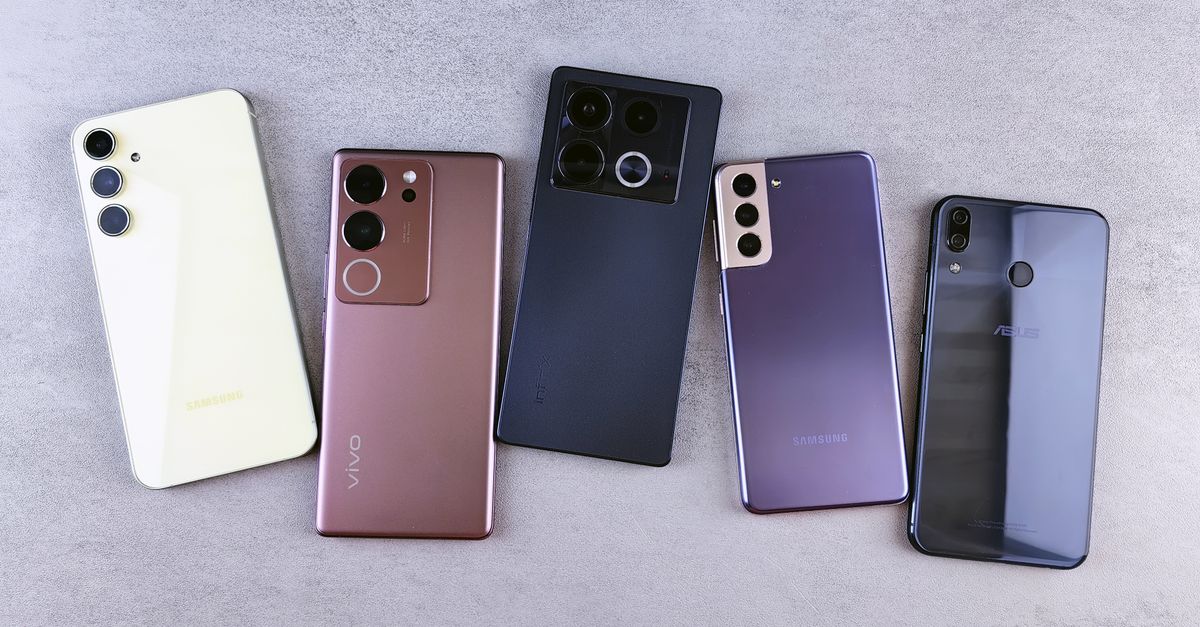
Photo by Andrey Matveev on Pexels
Samsung’s Mobile Division Posts First Loss
Samsung’s mobile division reported a loss, its first ever, despite solid smartphone sales. The company’s earnings call attributed the loss to soaring memory component prices linked to AI-driven demand for RAM. This loss marks a significant shift in the company’s financial performance, as its mobile division has historically been a profitable segment.
Memory Costs Impact Profitability
AI-driven demand for RAM has pushed spot prices above historical levels. Samsung, a major supplier of DRAM and LPDDR5 chips, pays more for the memory it uses in its handsets. This cost increase affects Samsung’s profitability, narrowing the gap between its mobile and chip divisions. The impact of these rising costs is not limited to Samsung, as competitors that rely on third-party memory suppliers face the same cost headwinds.
Impact on Samsung and the Market
The loss narrows the gap between Samsung’s mobile and chip divisions. Investors watch the MX unit closely because its cash flow has historically funded R&D and capital projects. A sustained deficit could compel Samsung to reallocate resources, potentially impacting its ability to invest in new technologies and products. The Android ecosystem has also been affected, with competitors facing similar cost pressures.
Market Reaction and Competitive Ripple Effects
The announcement sent a ripple through the Android ecosystem. Competitors that rely on third-party memory suppliers face the same cost headwinds. Samsung’s dual role as memory maker and phone maker creates a unique conflict. As the company navigates this challenging environment, it must balance its own memory supply needs with the demands of its competitors.
Broader Industry Context
The memory market is experiencing a period of high demand, driven in part by the growth of AI applications. This has led to increased competition for limited supply, driving up prices. Samsung is not the only company affected by this trend, as other manufacturers also struggle to secure sufficient memory supply. The industry is likely to see continued volatility in memory prices, impacting the profitability of companies across the supply chain.
History of Memory Price Volatility
Memory prices have historically been subject to significant fluctuations. The current surge in prices is not an isolated event, but rather part of a larger trend. Samsung and other manufacturers have experienced similar challenges in the past, and have developed strategies to mitigate the impact of price volatility. However, the current environment is particularly challenging, due to the rapid growth of AI-driven demand for memory.
Technical Mechanics
The memory market is complex, with multiple factors influencing prices. The growth of AI applications has led to increased demand for high-bandwidth memory, such as LPDDR5. This has created a shortage of supply, driving up prices. Samsung’s position as both a memory supplier and a phone manufacturer gives it a unique perspective on the market, and allows it to develop strategies to manage its memory supply needs.
Downstream Implications
The impact of the memory price surge will be felt throughout the supply chain. Competitors that rely on third-party memory suppliers will face similar cost headwinds, potentially affecting their profitability. Samsung’s ability to navigate this challenging environment will be critical to its long-term success. The company must balance its own memory supply needs with the demands of its competitors, all while managing the volatility of the memory market.
Future Outlook
The future of the memory market is uncertain, with many factors influencing prices. The growth of AI applications is likely to continue, driving up demand for high-bandwidth memory. However, the development of new memory technologies, such as phase-change memory, could potentially alleviate some of the supply constraints. As the memory market continues to evolve, Samsung and other manufacturers will need to adapt to changing market conditions in order to remain competitive.
Updates
Related Articles

Samsung Bans Smart TV Apps Over Security Concerns
Samsung bans apps sharing user internet connections

Tech Fights Scams
Google detects fake calls, Meta tracks employees, and Samsung fixes foldable issues

Vertu AI Foldable Targets Luxury Market
Vertu launches AI foldable, Samsung tests Galaxy Watch