

Apple patches critical Pegasus exploit ahead of fall launch


The Patch Arrives
Apple shipped a critical security patch that blocks a Pegasus exploit used by NSO Group. The update landed on September 13 for iPhones, iPads, Apple Watches and Macs. iOS 14.8, iPadOS 14.8, watchOS 7.6.2, macOS Big Sur 11.6 and a Catalina security release were all part of the same bundle.
The company warned that a malicious PDF could trigger arbitrary code execution. The advisory said the flaw lives in Apple’s image‑rendering library and that a report indicated active exploitation. Apple pushed the fix a day before its fall event, where it announced iOS 15 and iPadOS 15 for free download starting September 20. The timing sent a clear signal: security still drives the headline, even as new hardware steals the spotlight.
How the Exploit Worked
Citizen Lab, a public‑interest cybersecurity group at the University of Toronto, traced the vulnerability to a zero‑click, zero‑day chain they named ForcedEntry. The chain targets the same image library that renders PDFs across iOS, macOS and watchOS. An attacker can embed malicious code in a PDF, send it to a victim, and watch the device execute without any user interaction.
Because the attack requires no click, it sidesteps the usual user‑education defenses. The exploit can run on iPhones, laptops and watches alike, turning the whole Apple ecosystem into a single attack surface. Citizen Lab’s report linked the chain to Pegasus, NSO Group’s flagship spyware, which has been used to surveil activists, journalists and business leaders.
Pegasus and the Spyware Arms Race
Pegasus has resurfaced in headlines since the 2021 revelations that it infected a Saudi activist’s phone. The tool costs millions per deployment and is typically reserved for state‑level actors. Its presence in the wild forces vendors to treat any zero‑day as a national‑security concern.
Apple’s response leaned on its “privacy is built in” narrative, but the reality is more pragmatic: the company must keep its devices usable for enterprise customers who cannot afford a breach. Ivan Krstić, head of Apple’s security engineering, called the attacks “highly sophisticated” and noted they affect a tiny slice of users. That disclaimer is technically true, yet the fallout spreads far beyond the individual device.
Industry Reaction and Regulatory Pressure
The patch sparked a flurry of commentary from security analysts. Many praised Apple for moving quickly, but a few warned that the patch does not address the broader supply‑chain risk of embedding malicious PDFs in everyday workflows. Enterprises that ingest PDFs at scale now face the choice of stricter content filters or a rewrite of ingestion pipelines.
Regulators in Europe and the United States have been watching the Pegasus saga closely. The U.S. Commerce Department recently added NSO Group to its Entity List, restricting American technology sales to the firm. In the EU, the Digital Services Act pushes platforms to disclose state‑linked surveillance tools more transparently. Apple’s public acknowledgment of the exploit satisfies a growing demand for disclosure, but the law‑making momentum suggests tighter reporting requirements ahead.
What to Watch
The next week will reveal whether Apple’s patch truly neuters ForcedEntry in the wild. Security researchers plan to release new detection signatures for the PDF payload, and Apple will likely push an iOS 15.1 update with additional hardening. Keep an eye on any follow‑up advisories from Citizen Lab; a revised report could surface new variants of the exploit.
Beyond the patch, watch how mobile carriers and app stores respond. Three UK’s network outage earlier this month reminded us that infrastructure failures can amplify security concerns when users lose connectivity to update servers. Yelp’s recent rollout of vaccine‑requirement attributes shows that platforms are willing to add friction to protect users. If Apple adds similar “security attribute” flags to app listings, it could become a new front in the battle against covert surveillance.
The real test will be whether the patch stops nation‑state actors from slipping past Apple’s defenses, or whether it simply buys the company time while the spyware market evolves.
Related Articles

Apple fixes bricked iPhones with Error 53 patch
Apple released a series of iOS updates tackling a repair‑related bricking bug, Spectre mitigation, and iOS 12 battery drain, while delaying its privacy ATT rollout, sparking developer and user friction.
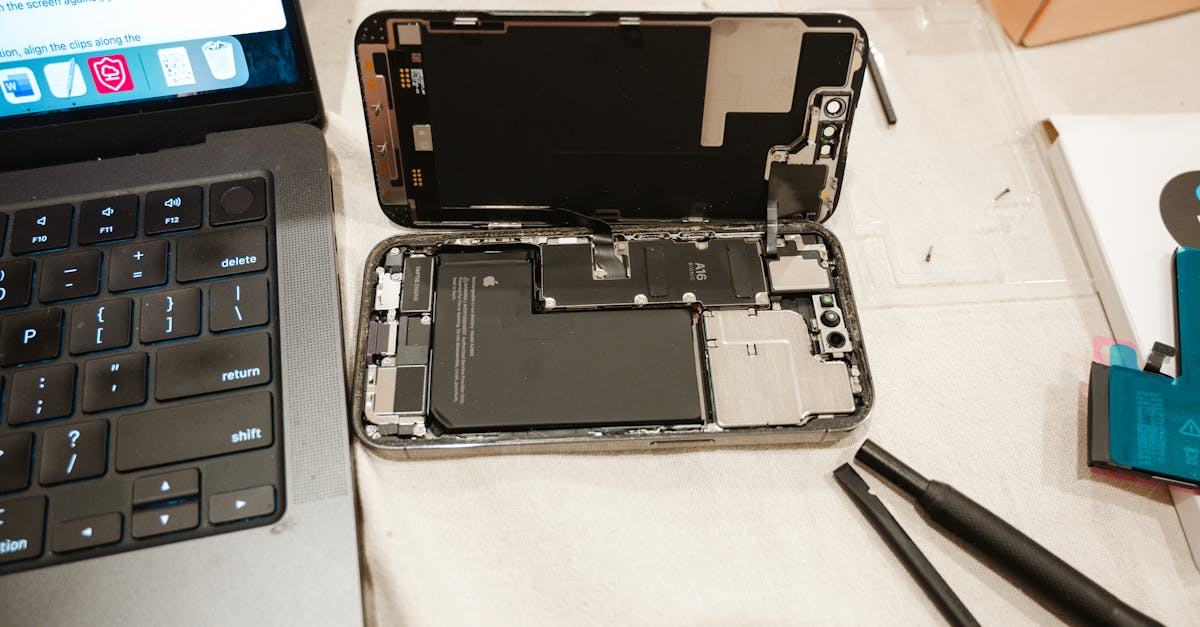
Apple rolls out iOS 26.5.1 and patches Error 53 as WWDC looms
Apple slips a micro‑update and a critical iOS 9.2.1 patch into iTunes, sparking debate over repair policies and security ahead of WWDC.
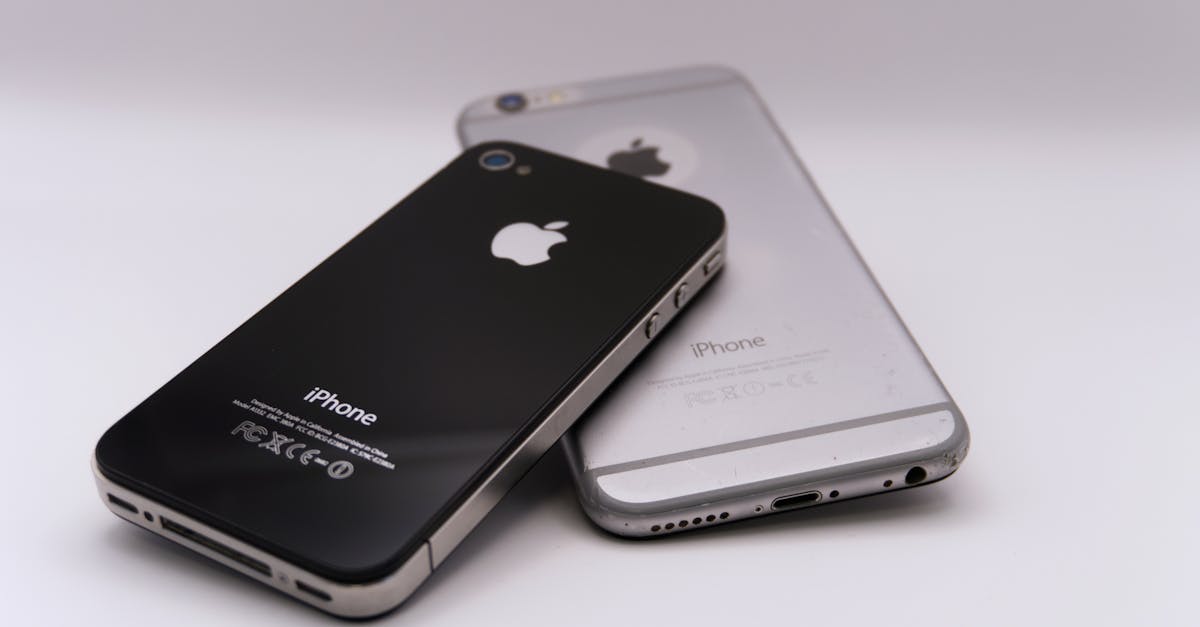
Apple patches iOS to rescue iPhones bricked by Error 53
Apple releases a patched iOS 9.2.1 update that restores iPhones disabled by the controversial Error 53, while keeping Touch ID disabled.