

Apple patches iOS to rescue iPhones bricked by Error 53

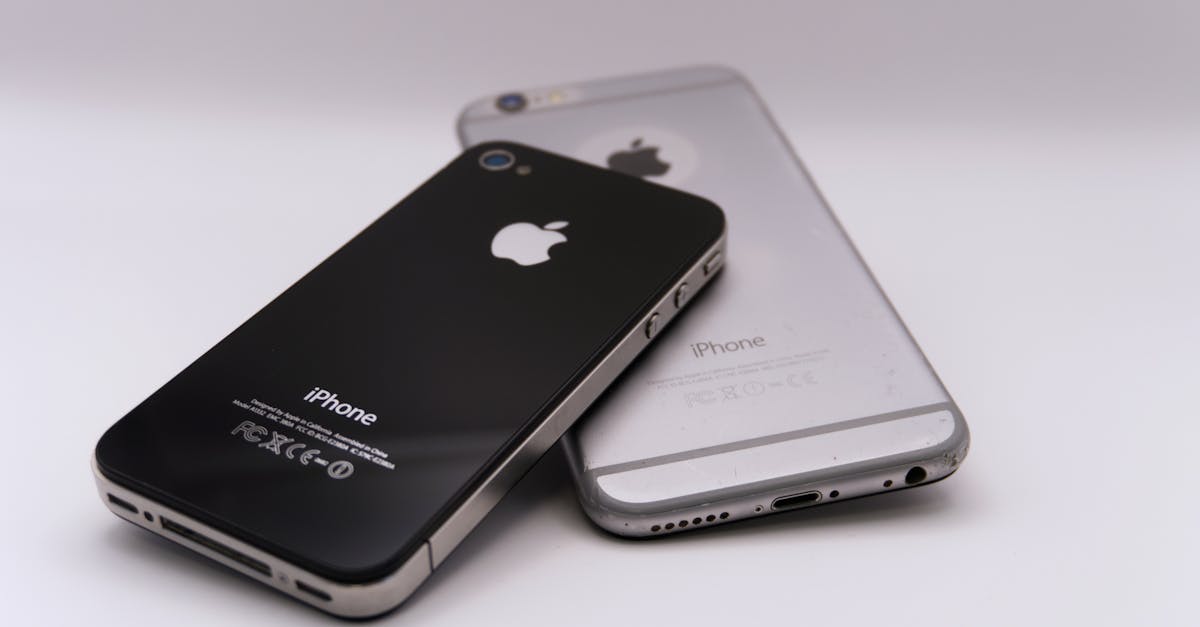
Photo by Omar Gerardo on Pexels
Error 53 has finally been unblocked: Apple pushed a patched iOS 9.2.1 that restores iPhones stuck on the “Connect to iTunes” screen after a home‑button repair.
The update, distributed via iTunes on Mac or PC, targets devices that failed a factory‑level Touch ID security test after third‑party replacement of the home‑button cable. Apple’s own statement to TechCrunch notes the error appears when a device “fails a security test” designed to verify Touch ID before leaving the factory. The fix does not reactivate Touch ID; it only lets the phone boot past the error screen.
The mechanics of Error 53
When an unofficial repair shop swaps the connector between the Touch ID sensor and the Secure Enclave, the phone’s integrity check flags the hardware as non‑genuine. The Secure Enclave, a coprocessor with its own boot chain, refuses to trust a foreign sensor, and iTunes reports Error 53. The result is a completely bricked device that cannot be restored over the air.
Apple’s patch sidesteps the security check by allowing iTunes to complete the restore process without re‑enabling the Touch ID sensor. The Secure Enclave remains locked, preserving the cryptographic isolation that protects fingerprints and encryption keys. In practice, users regain a functional phone but lose biometric unlocking.
Why the OTA route was immune
Apple’s release notes clarify that devices updated via iCloud never saw Error 53. The over‑the‑air path bypasses the iTunes‑driven security verification that triggers the failure. As a result, only users who rely on iTunes for restores were affected, a fact that explains why the issue surfaced primarily among repair‑shop customers.
This distinction also means that the new iTunes‑only patch does not affect the broader iPhone user base. Anyone who updates normally through Settings will continue to receive standard iOS updates without encountering the bricking bug.
Legal fallout and consumer backlash
The error sparked a class‑action lawsuit alleging that Apple’s security test unfairly penalized third‑party repair shops and their customers. Apple’s apology acknowledges the inconvenience but stops short of admitting liability, offering reimbursement through AppleCare for out‑of‑warranty replacements. The patched iOS version may blunt some claims, but the lawsuit remains active and could shape future repair‑rights debates.
Repair advocates argue that disabling an entire device for a cheap home‑button swap is disproportionate. Apple counters that allowing a non‑certified Touch ID sensor to function would open a “huge security risk,” potentially exposing private data to malicious actors. The company’s stance underscores a broader tension between right‑to‑repair movements and the platform’s security model.
Security implications of a disabled Touch ID
Keeping Touch ID disabled preserves the Secure Enclave’s integrity but also forces users onto less convenient authentication methods. Fingerprints are stored only in the enclave, encrypted with a unique hardware ID that never leaves the device. If a third‑party sensor were accepted, the enclave could be tricked into exposing that protected data.
From a security perspective, Apple’s decision to brick the phone rather than compromise the enclave makes sense. However, it also punishes legitimate repair scenarios and drives consumers toward Apple‑only service centers, where the cost of replacement is substantially higher. The trade‑off between security and repairability remains a hot topic in the industry.
What to watch
The next flashpoint will be how the class‑action lawsuit resolves and whether regulators step in to enforce right‑to‑repair protections. Keep an eye on any follow‑up patches that might restore Touch ID functionality without weakening the Secure Enclave, and watch for Apple’s future statements on third‑party repair policies. The balance Apple strikes here could set a precedent for how other platforms handle hardware security versus consumer repair rights.
Updates
Related Articles

Apple patches critical Pegasus exploit ahead of fall launch
Apple released urgent updates for iOS, iPadOS, macOS and watchOS to close a zero‑click Pegasus exploit uncovered by Citizen Lab.

Apple fixes bricked iPhones with Error 53 patch
Apple released a series of iOS updates tackling a repair‑related bricking bug, Spectre mitigation, and iOS 12 battery drain, while delaying its privacy ATT rollout, sparking developer and user friction.
Apple rolls out iOS 26.5.1 and patches Error 53 as WWDC looms
Apple slips a micro‑update and a critical iOS 9.2.1 patch into iTunes, sparking debate over repair policies and security ahead of WWDC.