

NASA's Kepler Telescope Uncovers Solar System with Eight Planets

Photo by Daniel Cid on Pexels
NASA’s Kepler Telescope Uncovers Solar System with Eight Planets
NASA has made a significant discovery using its Kepler space telescope, aided by Google’s artificial intelligence technology. The telescope has uncovered a solar system with eight planets, similar to our own, orbiting a star called Kepler-90.
The Kepler-90 system is 2,500 lightyears away and features a star that looks like our own sun. The planets in the system are much closer together than those in our own solar system, but it is stable. The discovery was made by training a computer to look through data from the Kepler space telescope and spot signals that might belong to planets. The AI found new planets within existing systems, including the Kepler-90 system.
Details of the Discovery
The Kepler space telescope has been collecting data for four years, looking at 150,000 stars. The sheer amount of data makes it difficult for humans to pick through it to find planets that might be interesting. The introduction of AI technology is intended to help with that, by allowing computers to do some of the work. The discovery of the Kepler-90 system is significant because it suggests that there might be whole worlds and solar systems hiding within the data we’ve already collected.
The Kepler-90 system features rocky planets orbiting close to the star, with gas giants further away. The planets are much closer together than those in our own solar system, but the system is stable. Researchers believe that there might be even more planets lurking in the system that have not been spotted yet.
Implications of the Discovery
The discovery of the Kepler-90 system improves the chances of finding life elsewhere in the universe. The fact that there could be far more exoplanets than we ever thought suggests that the possibility of finding life elsewhere is higher. The Kepler-90 system is not a particularly good candidate for finding life, but the discovery of the system and its planets provides valuable insights into the formation and evolution of planetary systems.
History of Exoplanet Discoveries
The Kepler space telescope has been in operation since 2009, and has made numerous significant discoveries about exoplanets. Prior to the discovery of the Kepler-90 system, the telescope had discovered thousands of exoplanets, including some that are similar in size to Earth. The use of AI technology to analyze the data from the telescope is a significant development, as it allows researchers to quickly and efficiently identify potential planets.
Technical Mechanics
The Kepler space telescope uses a technique called transit photometry to detect planets. When a planet passes in front of its star, it blocks a small amount of light, causing the star to appear dimmer. By measuring the decrease in brightness, researchers can determine the size of the planet and its distance from the star. The use of AI technology to analyze the data from the telescope allows researchers to quickly and efficiently identify potential planets and determine their characteristics.
Industry Context
The Kepler space telescope is one of NASA’s most successful missions, having discovered thousands of exoplanets since its launch in 2009. The telescope works by surveying the whole sky and logging when any stars get brighter or darker, which happens when a planet passes in front of them. The use of AI technology to analyze the data from the telescope is a significant development, as it allows researchers to quickly and efficiently identify potential planets.
The discovery of the Kepler-90 system is part of a larger effort to understand the formation and evolution of planetary systems. Astronomers have long been interested in understanding how planetary systems form and evolve, and the Kepler space telescope has provided a wealth of information on this topic. The Kepler-90 system is particularly interesting because it has a similar number of planets to our own solar system, and its planets are arranged in a similar way.
What to Watch
The next step for NASA’s Kepler space telescope is to continue collecting data and making new discoveries. The agency is expected to make more announcements about the telescope’s discoveries in the coming months. Researchers are also working to develop new technologies and techniques to analyze the data from the telescope and identify potential planets. The discovery of the Kepler-90 system is just one example of the many exciting discoveries that are being made using the Kepler space telescope and AI technology.
Downstream Implications
The discovery of the Kepler-90 system has significant implications for the search for life elsewhere in the universe. The fact that there could be far more exoplanets than we ever thought suggests that the possibility of finding life elsewhere is higher. Researchers will likely focus on studying the Kepler-90 system and its planets in more detail, in order to gain a better understanding of the formation and evolution of planetary systems.
The discovery of the Kepler-90 system also raises questions about the potential for life on other planets. While the Kepler-90 system is not a particularly good candidate for finding life, the discovery of the system and its planets provides valuable insights into the formation and evolution of planetary systems. Researchers will likely study the Kepler-90 system and its planets in more detail to see if they can find any signs of life.
Future Discoveries
The Kepler space telescope is expected to continue making new discoveries in the coming months. The use of AI technology to analyze the data from the telescope will allow researchers to quickly and efficiently identify potential planets and determine their characteristics. The discovery of the Kepler-90 system is just one example of the many exciting discoveries that are being made using the Kepler space telescope and AI technology.
The future of exoplanet discovery is bright, with new missions and technologies on the horizon. The Transiting Exoplanet Survey Satellite (TESS) is a NASA mission that will study the brightness of stars to detect exoplanets. The James Webb Space Telescope is a NASA mission that will study the atmospheres of exoplanets to see if they can support life. These missions, along with the Kepler space telescope, will help us to better understand the formation and evolution of planetary systems and the potential for life elsewhere in the universe.
The Kepler-90 system is an exciting discovery that provides valuable insights into the formation and evolution of planetary systems. The discovery of the system and its planets is a significant step forward in the search for life elsewhere in the universe. With continued research and exploration, we may one day find the answer to one of humanity’s most profound questions: are we alone in the universe?
Detailed Analysis
The Kepler-90 system is a significant discovery because it has a similar number of planets to our own solar system. The planets in the Kepler-90 system are arranged in a similar way to the planets in our own solar system, with rocky planets orbiting close to the star and gas giants further away. This suggests that the formation and evolution of planetary systems may be more similar than previously thought.
The discovery of the Kepler-90 system also provides valuable insights into the potential for life on other planets. While the Kepler-90 system is not a particularly good candidate for finding life, the discovery of the system and its planets provides valuable information about the formation and evolution of planetary systems. Researchers will likely study the Kepler-90 system and its planets in more detail to see if they can find any signs of life.
The use of AI technology to analyze the data from the Kepler space telescope is a significant development in the search for exoplanets. The AI technology allows researchers to quickly and efficiently identify potential planets and determine their characteristics. This technology will be essential for future missions, such as the TESS and James Webb Space Telescope, which will study the brightness of stars and the atmospheres of exoplanets.
Related Articles
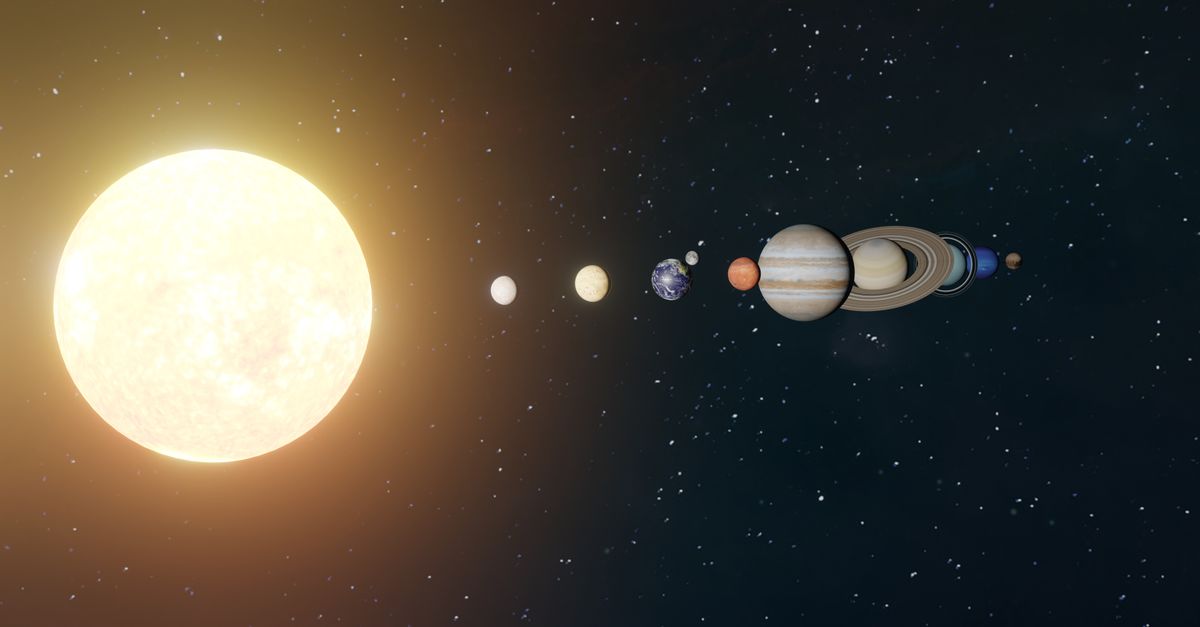
NASA's Kepler Telescope Discovers New Solar System
NASA's Kepler telescope discovers a new solar system with eight planets, similar to our own solar system, using Google's machine learning technology.

NASA's Roman Space Telescope Set for August 30 Launch
NASA targets August 30 for launching the Nancy Grace Roman Space Telescope, with 100 times Hubble's field of view.