

El Niño, 5G, and AI reshape the coming hurricane season

Hurricane outlook dampened by El Niño
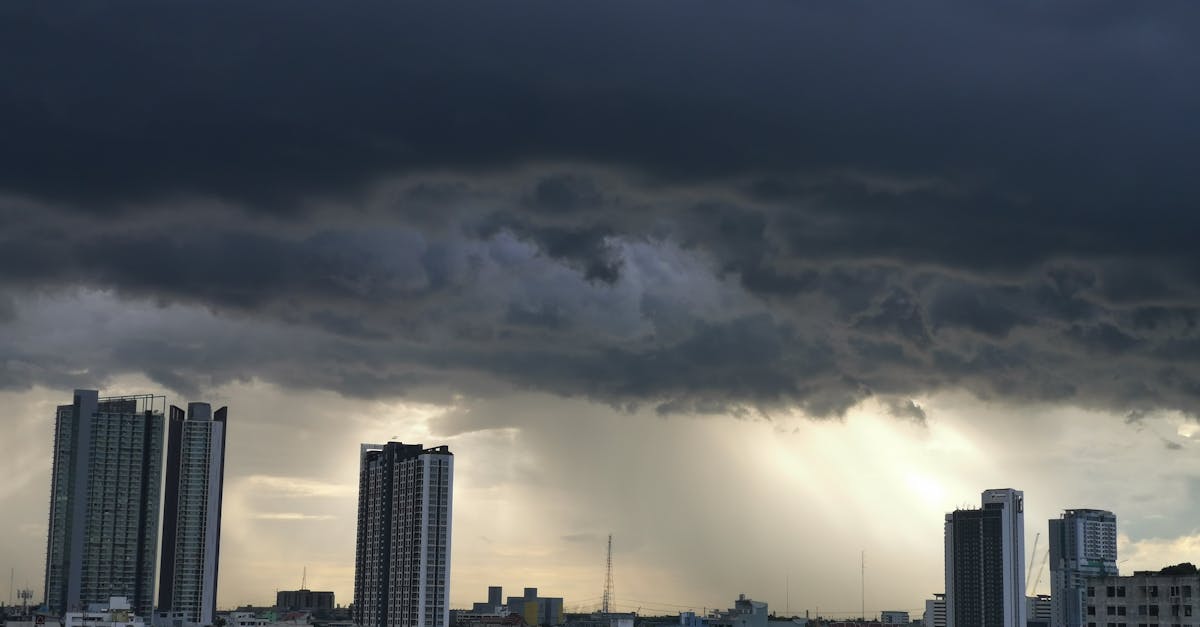
Forecasters say the upcoming Atlantic hurricane season will be milder because a strong El Niño is expected to suppress storm development. The National Hurricane Center and partner agencies cite the El Niño‑driven increase in wind shear as the primary reason for the below‑average activity forecast.
The seasonal outlook, released in early May, projects fewer named storms than the long‑term average and urges coastal residents to keep evacuation plans and supplies ready despite the lull. Historically, El Niño years have produced a noticeable dip in landfall frequency, but the forecast still carries a non‑zero risk of rapid intensification events that can catch communities off guard.
5G’s unintended threat to satellite data
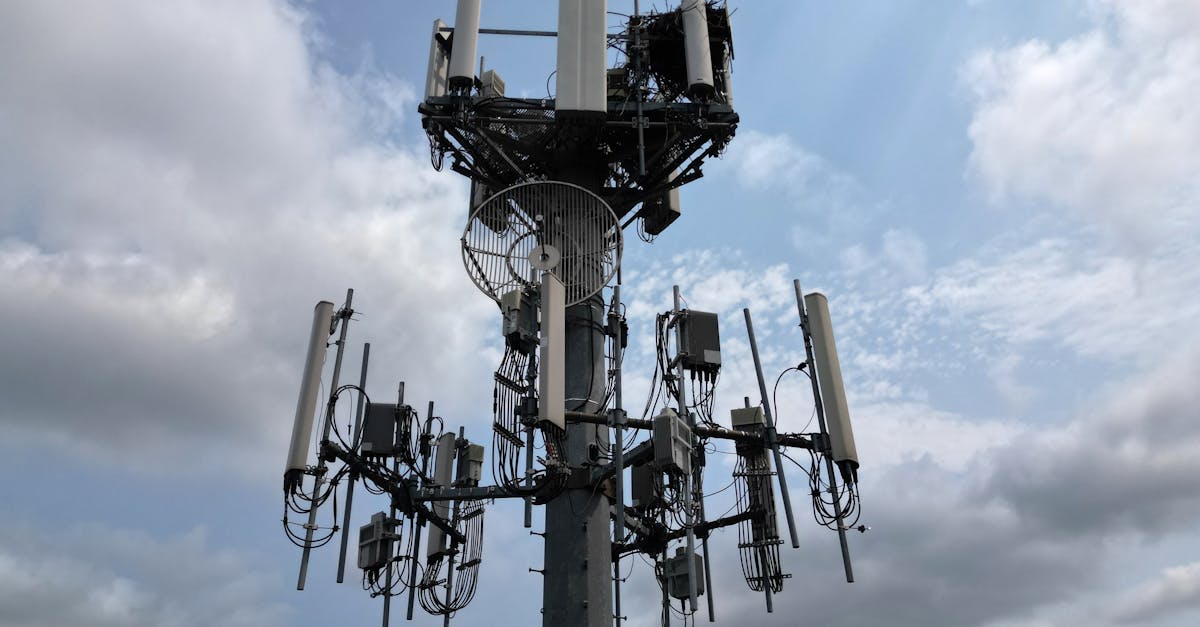
Weather satellites rely on passive microwave radiometers tuned to 23.8 GHz to measure atmospheric water vapor. That narrow band is now crowded by the rollout of 5G cellular networks, which operate on frequencies very close to the radiometer’s listening window. The sheer number of new cell sites—thousands across urban and rural areas—creates a background of microwave noise that can drown out the faint water‑vapor signals satellites need.
Because the radiometers are passive, they cannot discriminate between natural emissions and anthropogenic interference. Losing reliable vapor data degrades the initial conditions fed into global weather models, eroding the accuracy gains achieved by decades of supercomputing advances. The risk is not theoretical; meteorologists have already flagged similar interference issues during earlier spectrum expansions.
Google pushes AI weather forecasts with WeatherNext 2
Google DeepMind and Google Research unveiled WeatherNext 2, an AI model that generates hundreds of weather scenarios in under a minute. The system runs on a single Tensor Processing Unit and delivers forecasts at up to one‑hour resolution, a speed increase of roughly eightfold over the previous WeatherNext version.
WeatherNext 2 uses a Functional Generative Network that injects noise directly into the model architecture, preserving physical realism while exploring a wide range of possible outcomes. In internal benchmarks the model outperformed its predecessor on 99.9 % of variables—including temperature, wind, and humidity—across lead times from now to fifteen days.
The forecast data are now accessible through Google Earth Engine, BigQuery, and an early‑access program on Vertex AI. Integration has already begun in Google Search, Gemini, Pixel Weather, and the Maps Platform, with broader rollout to Google Maps expected in the coming weeks.
How forecast accuracy evolved
The march from hand‑drawn charts to supercomputer‑driven ensembles is reflected in hard numbers. The Met Office reports that its four‑day forecasts are now as accurate as its one‑day forecasts were thirty years ago. In the United States, the National Hurricane Center’s track‑error charts show a drop from 200‑400 nautical miles for 48‑hour forecasts in the 1970s to about 50 nautical miles today.
A similar contraction appears in 72‑hour error metrics: the 1960s and 70s saw errors exceeding 400 nautical miles, while modern models routinely stay under 80 miles. These improvements stem from richer observational inputs—satellite radiometry, radiosondes, and surface stations—and from higher‑resolution numerical solvers that can resolve mesoscale phenomena.
What to watch
The next few months will test whether the projected El Niño stays strong enough to keep the Atlantic quiet, and whether regulators curb 5G spectrum use near the 23.8 GHz band to protect satellite radiometers. At the same time, adoption metrics for WeatherNext 2—such as the volume of forecasts pulled from Earth Engine and the number of agencies joining the Vertex AI early‑access program—will indicate how quickly AI can become a core component of operational meteorology. Tracking these variables will reveal which of the three forces—climate patterns, wireless infrastructure, or artificial intelligence—will have the biggest impact on the next storm season.
Updates
Related Articles
Hack, AI Forecasts, and OpenAI Lawsuit Highlight Tech Risks
A cheat‑service breach, an AI weather model outpacing government forecasts, and Florida's lawsuit against OpenAI expose security, accuracy, and liability challenges.

Googlebook challenges Apple’s retail play as Mac Studio prices
Google’s $899 AI‑native laptop and Apple’s store‑first philosophy clash amid rising component costs and AI‑driven hardware bets.
Xiaomi MiMo 2.6, Grok 4.7, and a Wave of Mid‑Month Tech Setbacks
A roundup of Xiaomi's MiMo 2.6 launch, x.ai's Grok 4.7 update, NASA's Mars Sample Return cancellation, and other mid‑September tech headlines.