

Satellites in Space: A Growing Concern

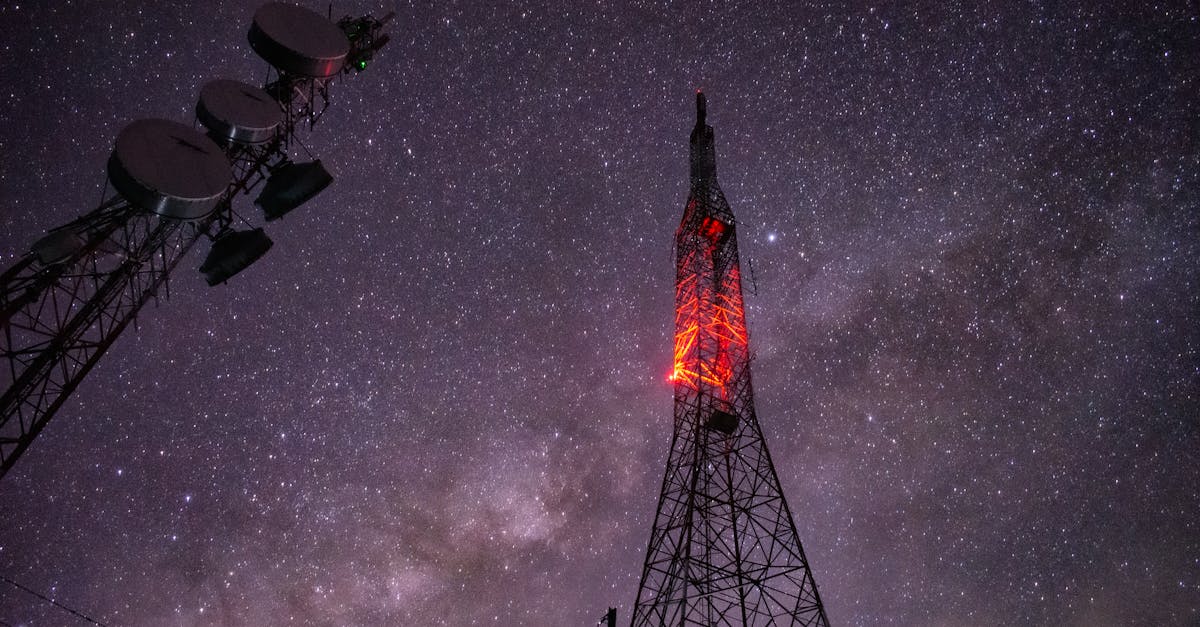
Photo by Juan Martin Gomez on Pexels
The Dark Side of Satellites in Space
The night sky, once a pristine canvas of twinkling stars, is now being increasingly marred by the presence of thousands of satellites. These artificial objects, while providing vital services such as communication and navigation, are also creating a growing concern about space debris, light pollution, and the potential for catastrophic collisions.
A Growing Problem
The number of satellites in space has been increasing rapidly over the years. According to recent reports, there are now thousands of satellites in orbit, with many more being launched every year. This has led to a significant increase in the amount of space debris, including defunct satellites, bits of rockets, and fragments scattered by crashes.
The problem is not just limited to the risk of collisions. Satellites are also causing light pollution, reflecting sunlight and obscuring our view of the stars. This is particularly concerning for astronomers, who rely on clear views of the night sky to study the universe.
The Risks of Space Debris
The risks associated with space debris are significant. At high speeds, even small pieces of debris can cause catastrophic damage to satellites and other spacecraft. This can lead to a chain reaction of collisions, creating even more debris and increasing the risk of further damage.
The issue is being addressed by space agencies and private companies, who are working together to develop new technologies and strategies for mitigating the risks associated with space debris. This includes the development of more efficient propulsion systems, as well as new materials and designs that can help reduce the amount of debris generated by satellites.
The Broader Industry Context
The satellite industry is a rapidly growing market, with numerous companies and governments launching new satellites every year. The increasing demand for satellite-based services such as communication, navigation, and weather forecasting has driven the growth of the industry. However, this growth has also led to concerns about the sustainability of the industry and the potential risks associated with the increasing number of satellites in space.
The market size of the satellite industry is estimated to be in the billions of dollars, with numerous companies competing for market share. The industry is expected to continue growing in the coming years, driven by increasing demand for satellite-based services.
The History of Space Debris
The issue of space debris is not a new one. The first satellite, Sputnik 1, was launched in 1957, and since then, thousands of satellites have been launched into space. However, it wasn’t until the 1970s that concerns about space debris began to grow.
In 1979, the Skylab space station fell to Earth, scattering debris across the planet. This event highlighted the potential risks associated with space debris and led to increased efforts to mitigate the problem.
The Technical Mechanics of Space Debris
Space debris is a complex issue, and understanding the technical mechanics of the problem is essential to developing effective solutions. When a satellite is launched into space, it can remain in orbit for years, even decades. However, as the satellite ages, it can break apart, creating smaller pieces of debris.
These pieces of debris can then collide with other satellites, creating a chain reaction of collisions and increasing the amount of debris in space. The risk of collision is increased by the high speeds at which satellites travel, making even small pieces of debris a significant threat.
Downstream Implications
The issue of space debris has significant downstream implications for the satellite industry and for society as a whole. The increasing risk of collisions and the growing amount of debris in space threaten the sustainability of the industry and the safety of satellite-based services.
To address this issue, space agencies and private companies will need to work together to develop new technologies and strategies for mitigating the risks associated with space debris. This will require a coordinated effort, as well as a commitment to sustainability and responsibility in space exploration.
The next major milestone in this effort will be the launch of new regulations and guidelines for the operation of satellites in space. This is expected to happen in the near future, and will provide a framework for the responsible operation of satellites and the mitigation of space debris.
What to Watch
The issue of space debris and the growing number of satellites in space will continue to be a major concern in the coming years. As the number of satellites in space continues to grow, it is likely that we will see an increase in the number of collisions and other incidents.
To address this issue, space agencies and private companies will need to work together to develop new technologies and strategies for mitigating the risks associated with space debris. This will require a coordinated effort, as well as a commitment to sustainability and responsibility in space exploration.
The increasing reliance on satellite-based services has also raised concerns about the vulnerability of these services to disruption or sabotage. Cyber experts have warned that hackers could potentially hijack satellites, creating havoc on Earth.
The military is also looking for new ways to acquire and use commercial satellite data, driven by the increasing demand for satellite-based services. This includes the use of radar imagery, radio-frequency signals, and maritime and aerial traffic data.
Conclusion
The issue of space debris and the growing number of satellites in space is a complex problem that requires a coordinated effort to address. The risks associated with space debris are significant, and the industry must work together to develop new technologies and strategies for mitigating these risks.
The satellite industry is a rapidly growing market, driven by increasing demand for satellite-based services. However, this growth must be balanced with a commitment to sustainability and responsibility in space exploration.
The next major milestone in this effort will be the launch of new regulations and guidelines for the operation of satellites in space. This will provide a framework for the responsible operation of satellites and the mitigation of space debris.
Updates
- 2026-08-31 — Monday’s Android game and app deals: Cubasis 3, Seoul Exorcist 1111, Halls of Torment, more (source)
- 2026-08-29 — Welcome to Night Vale cocreator Joseph Fink learned storytelling from Grim Fandango (source)
- 2026-07-28 — WhatsApp launches web calling alongside new features: call transfer, waiting room (source)
Related Articles
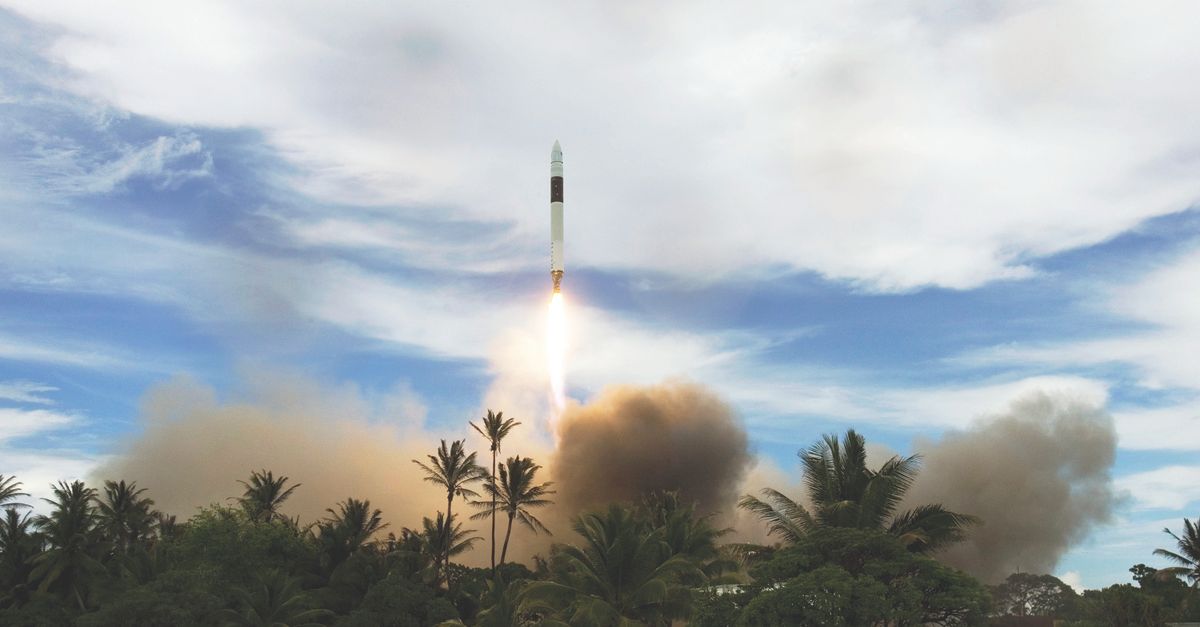
German Rocket Spectrum Reaches Orbit from Norway
Isar Aerospace’s Spectrum rocket completed its maiden flight from Andøya Space, giving Germany its first private orbital launch from European soil.
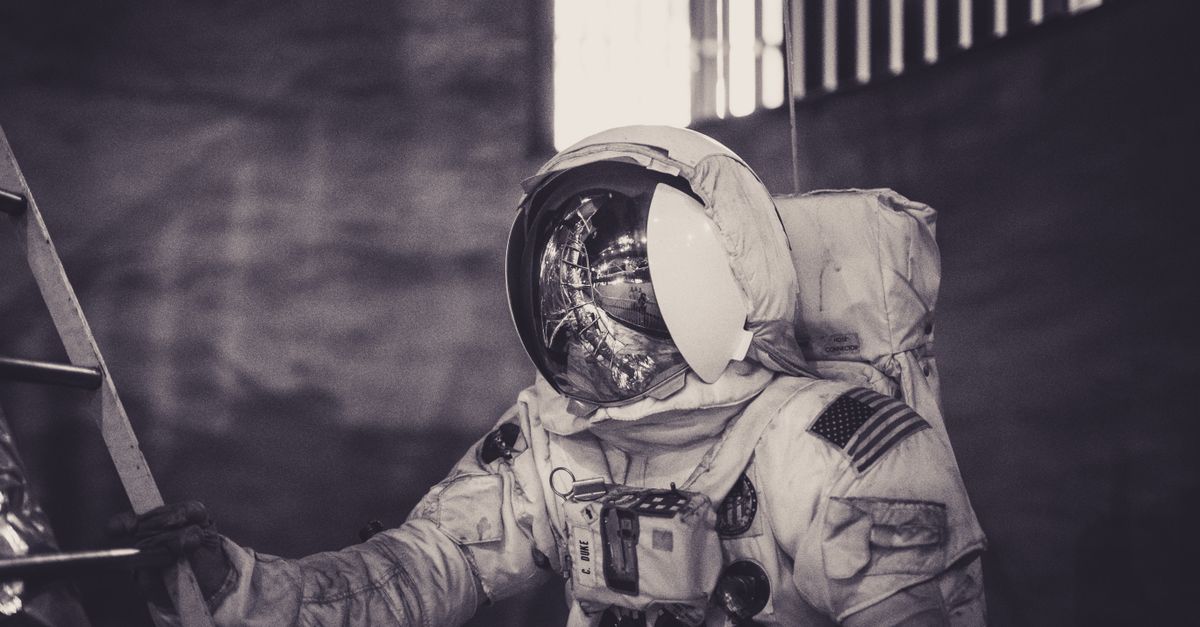
NASA suits up, Army lasers drones, Russia’s satellite setbacks
NASA trims Artemis IV schedule, forcing a new lunar suit; the Army proves a 20 kW laser can kill drones; Russia’s Rassvet constellation shows early failures.

Googlebook challenges Apple’s retail play as Mac Studio prices
Google’s $899 AI‑native laptop and Apple’s store‑first philosophy clash amid rising component costs and AI‑driven hardware bets.