

Playdate, Linux Kernels, EC2 Rigs Reshape Indie Gaming

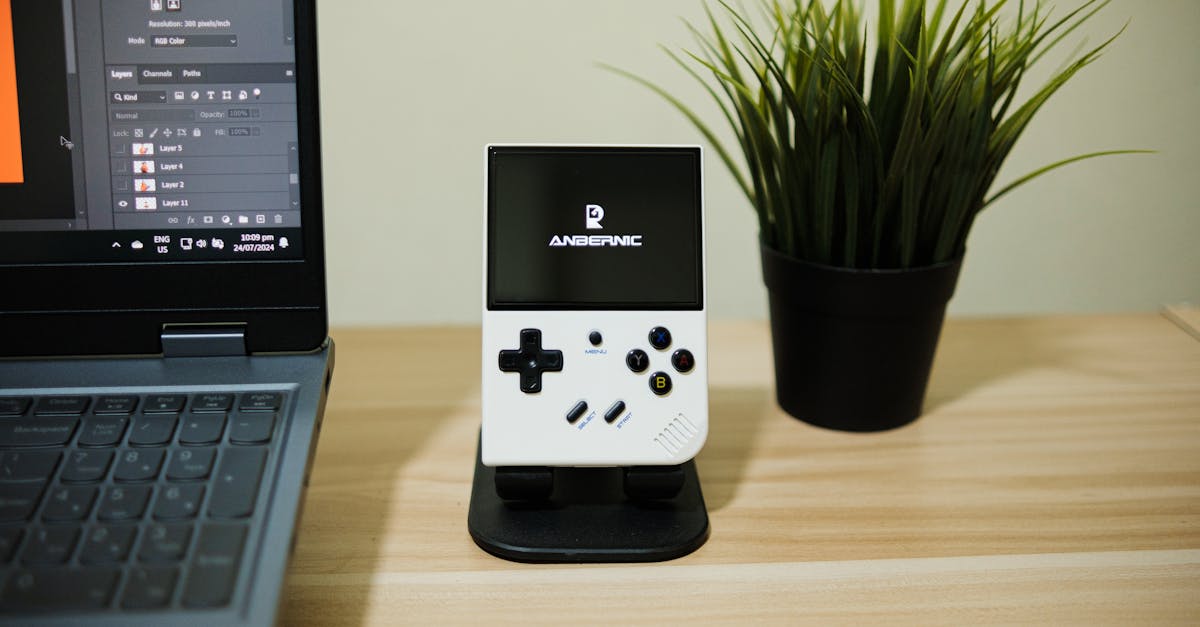
Photo by Click Jeth on Pexels
Playdate’s crank, Linux kernels, and cheap EC2 rigs are reshaping the indie gaming landscape. Developers no longer need a Windows‑only pipeline to reach a growing audience that spans handhelds, ARM Macs, and cloud servers.
Panic’s Playdate hit the market with a reflective black‑and‑white screen, a side‑mounted analog crank, and a promise to deliver two new games every week for twelve weeks. At the same time, the Linux kernel absorbed Windows‑specific synchronization primitives via the NTSYNC driver, and GOG announced a senior engineer hire to bring its Galaxy client to Linux. Asahi Linux released an alpha toolkit that lets M1/M2 Macs run x86 Windows games through Vulkan, while a community guide shows how to stream AAA titles from an EC2 instance for roughly $0.53 per hour.
Playdate’s Crank‑Driven Game Model
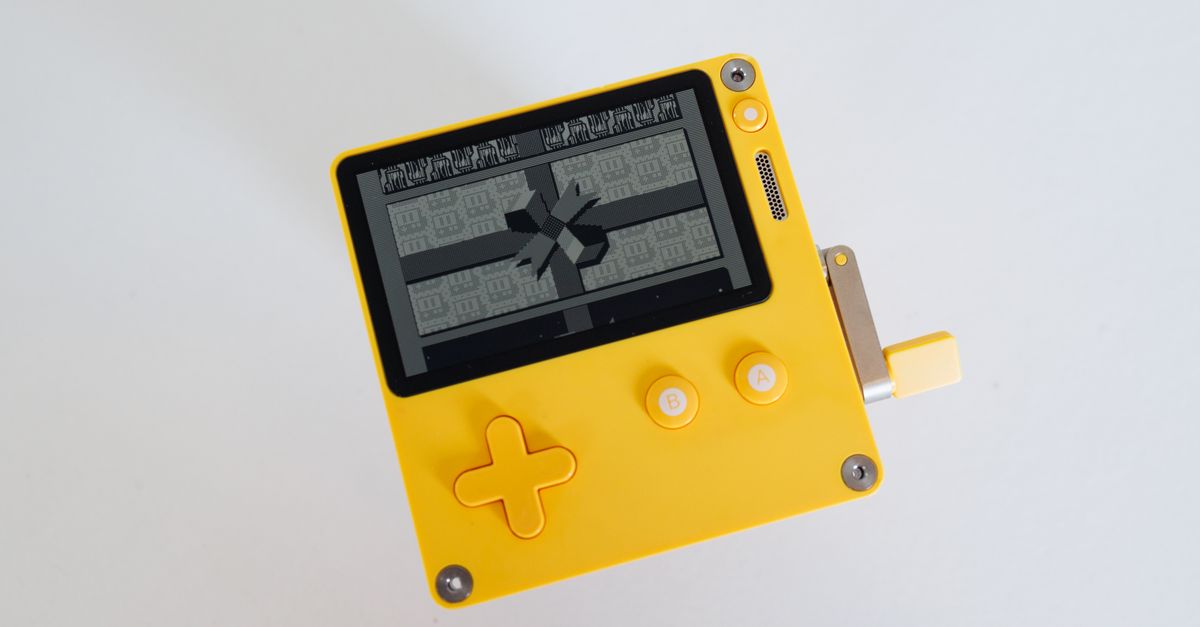
Playdate feels like a pocket‑sized arcade cabinet. Its 2.7‑inch monochrome screen is not backlit; instead it reflects ambient light, giving crisp contrast that developers exploit for stylized art. The crank slides out from the side and lets games like Crankin’s Time Travel Adventure map rotation to in‑game actions. The hardware is not a gimmick; the crank’s tactile feel is praised by reviewers who call it “silky smooth.”
The device ships with a twelve‑week “Season One” bundle of 24 games, released two per week. The model forces developers to think in short, experimental bursts rather than long‑form releases. Season Two adds a dozen fresh titles and a surprise bonus, keeping the ecosystem alive long after the hardware leaves the shelf. Playdate’s SDK is free, the Pulp web‑based maker lowers the barrier for hobbyists, and the Mirror app streams gameplay to macOS, Windows, or Linux for recording or alternative controller use.
Linux Kernel Gains NTSYNC, Closing the Windows Gap
In March 2026 Linux crossed the five‑percent mark of Steam’s user base, a milestone driven largely by the Steam Deck’s default Linux stack. For years, Wine and Valve’s Proton translated Windows system calls on the fly. The latest breakthrough comes from the kernel itself: the NTSYNC driver implements Windows‑style synchronization primitives natively.
Before NTSYNC, Wine relied on emulated layers like esync and fsync, which sometimes diverged from true Windows behavior. NTSYNC moves the coordination logic into the kernel, eliminating the need for Wine to mimic the calls. The result is lower overhead and smoother frame times on both the Deck and desktop Linux rigs. The driver loads by default on up‑to‑date Deck units, and early benchmarks show measurable gains in CPU‑bound titles that juggle physics, AI, and asset streaming across many cores.
Expanding Linux Desktop Gaming: GOG, Asahi, and Cloud Rigs
GOG’s recent job posting reveals a senior engineer will shape the Galaxy client for Linux from day one. Galaxy already runs on Windows and macOS; the Linux version will inherit the same C++ codebase while adding native tooling and packaging. The move signals confidence that a sizable user base will adopt a native client rather than rely on Wine.
On the ARM front, Asahi Linux introduced an alpha game‑playing toolkit that stitches Vulkan 1.3 drivers, x86 emulation, and a conformant OpenCL 3.0 stack together. The toolkit runs Control out of the box and can launch Fallout 4 inside a tiny virtual machine that swaps the host’s 16 KB page size for the 4 KB pages expected by x86 binaries. The approach sidesteps Linux’s inability to mix page sizes by virtualizing an ARM kernel with the correct granularity, then passing through the GPU and controllers.
Cloud‑based gaming also gains traction. A community guide demonstrates how to spin up an EC2 instance, install a Windows driver stack, enable Nvidia’s NvFBC H.264 encoder, and stream AAA titles at $0.53 per hour. The setup replaces the default display driver, installs a virtual sound card via Razer Surround, and uses OpenVPN for secure connectivity. At that price, a thousand‑hour gaming session costs less than a mid‑range gaming PC, making high‑end titles accessible to developers and players who only own fan‑less laptops.
What to Watch
Playdate’s Season Two rollout will reveal whether the weekly‑drop model can sustain long‑term engagement. Keep an eye on the next kernel release; any expansion of NTSYNC’s API surface could tighten the performance gap between Linux and Windows. GOG has not announced a launch date for Galaxy on Linux, but the hiring notice suggests a beta could appear within the next six months. Asahi’s toolkit is still alpha; its performance on titles that rely heavily on tessellation or geometry shaders will determine if ARM Macs become a viable gaming platform. Finally, EC2’s cloud‑gaming recipe will likely be refined as Nvidia releases newer encoder APIs, so watch for cost‑per‑frame improvements that could make streaming the default fallback for low‑spec hardware.
The convergence of quirky hardware, kernel‑level Windows compatibility, and affordable cloud power hints at a future where indie developers can ship once and reach players on handhelds, ARM laptops, Linux desktops, and remote servers without rewriting their codebases for each platform.
Updates
Related Articles
Devolver's Mascot Platformer Challenges GTA 6 Release Day
Devolver Digital drops a mascot platformer on GTA 6's launch day, while ASUS, Xbox and IKEA roll out new hardware and furniture for gamers.
Linux Gaming Hits 5% of Steam Users
Linux reaches a 5% share of Steam users in March 2026, prompting new kernel drivers, cloud rigs, and niche hardware to rethink value and competition.

Isaac Online and GTA VI Share a November 19 Launch
Isaac: Repentance+ Online lands the same day as GTA VI, Harvey Smith launches Black Pony Immersive, and IKEA teases an Xbox cushion.