

Linux Gaming Hits 5% of Steam Users

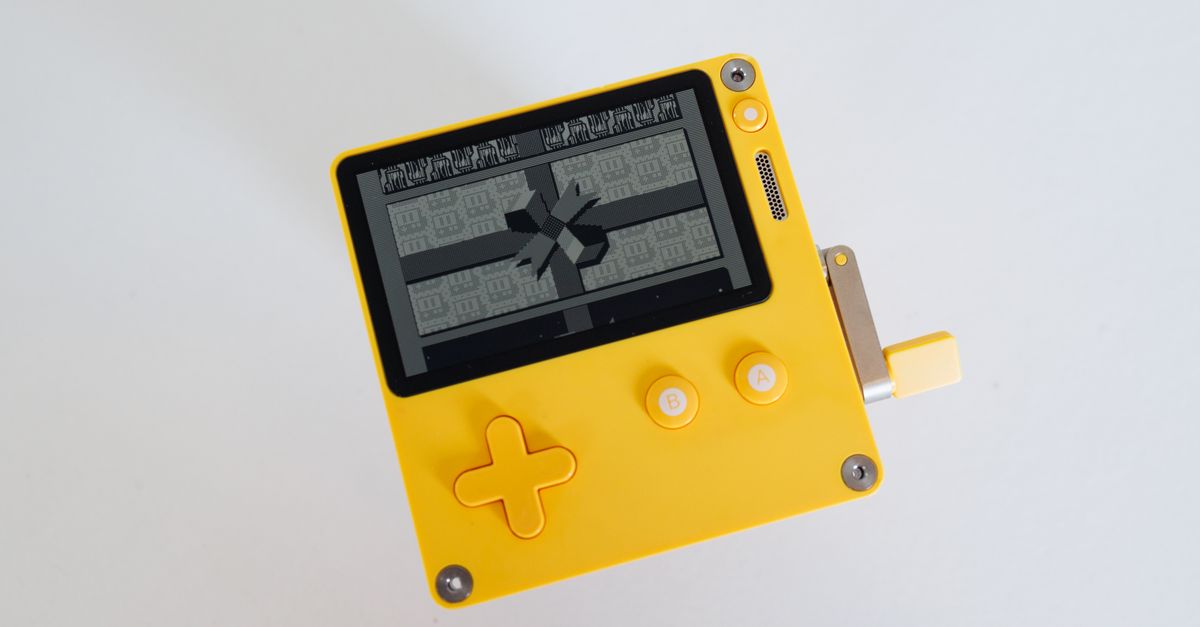
Photo by Josh Withers on Pexels
Linux now accounts for over five percent of Steam’s active user base, a milestone that reshapes the economics of PC and console gaming.
In March 2026 the share crossed that threshold12345, while Microsoft’s October 2025 end‑of‑support deadline for Windows 10 forced a wave of users onto alternatives678. The Steam Deck, which ships with a Valve‑tuned version of Wine called Proton, turned millions of casual players into Linux gamers without a conscious decision1. That migration created a feedback loop: more Linux users, more pressure on developers to support the platform, and deeper integration at the kernel level.
Kernel‑level wins give Linux a performance edge
The most visible win came from a tiny driver called NTSYNC. Unlike previous workarounds such as esync and fsync, NTSYNC lives inside the Linux kernel and implements Windows‑specific synchronization primitives natively. By handling the calls directly, Wine no longer needs to emulate the behavior, which translates into noticeable frame‑rate gains on the Steam Deck and on any up‑to‑date Linux install.
NTSYNC isn’t a one‑off. A few years earlier Linux added native support for waiting on multiple events, another feature long present in Windows. Those kernel‑level additions reduce the translation layer’s burden and make Linux a more attractive target for future DirectX‑to‑Vulkan ports.
Cloud rigs on EC2 make high‑end AAA feel reachable
A separate trend is the rise of inexpensive cloud‑gaming rigs built on Amazon EC2. A recent guide shows how to spin up a Windows instance, install the GeForce GTX TITAN X driver version 347.88, enable NvFBC‑based H.264 encoding, and connect via Remote Desktop. At $0.53 per hour the cost works out to roughly 1 850 hours of play for the price of a $1 000 desktop PC.
The guide strips away legacy tools like VNC, replaces them with direct GPU encoding, and even adds virtual sound via Razer Surround. While the setup assumes a macOS client, the same AMI runs on Linux or Windows with minor tweaks, blurring the line between local and cloud performance.
Niche hardware pushes the definition of “value”
Panic’s Playdate illustrates how a handheld can succeed without raw horsepower. The device sports a black‑and‑white reflective screen, a crank controller, and a weekly drip of two new games for twelve weeks—24 titles total. The lineup includes quirky experiments like Crankin’s Time Travel Adventure, which actually uses the crank for gameplay rather than as a gimmick.
Playdate’s ecosystem also includes a free SDK, a web‑based Pulp maker, and a Mirror app that streams the handheld’s output to a desktop for recording. Education customers enjoy a 15 % discount on hardware and accessories, a modest but concrete incentive for schools experimenting with game design curricula.
Retro hardware still trips up buyers
The market for used GameCube consoles remains active, but a common pitfall threatens the experience. Certain revisions of the hardware fail to read all game discs, meaning a buyer could end up with a unit that refuses to load titles like Super Smash Bros. Melee or The Legend of Zelda: The Wind Waker. The Engadget guide warns shoppers to verify the console’s revision before purchase, a step that can save hours of frustration745.
That caution mirrors the broader challenge of preserving legacy ecosystems. As more gamers migrate to Linux or cloud rigs, the incentive to maintain functional legacy hardware dwindles, potentially accelerating the loss of physical media support.
Subscription services face a new calculus
Nintendo’s Switch Online service still promises online play, cloud saves, and a library of classic titles, yet the same Engadget piece asks whether the price remains justified in 2026. With Linux now offering native game clients, cloud rigs delivering AAA performance for a few dollars an hour, and niche devices like Playdate providing curated content, the value proposition of traditional console subscriptions is under pressure.
GOG’s recent job posting for a senior engineer to bring its Galaxy client to Linux signals another shift6. The company, fresh from a founder‑led buyback, wants a native Linux client to complement its Windows and macOS versions1823. If successful, Galaxy could become the first major third‑party launcher to run fully on Linux, giving gamers a non‑Steam alternative that respects the operating system’s growing user base.
What to watch
The next six months will reveal whether kernel‑level features like NTSYNC become standard across mainstream distributions or remain Valve‑centric. Keep an eye on Valve’s roadmap for Proton and on any Linux kernel releases that add further Windows‑specific primitives. On the hardware side, Playdate’s Season Two launch and Nintendo’s pricing adjustments for Switch Online will test how much consumers value curated content versus open‑platform flexibility. Finally, GOG’s progress on a Linux Galaxy client will indicate whether major launchers are willing to invest in native support or continue to rely on compatibility layers.
Updates
- 2026-09-09 — The quick guide to fall vaccines and when you should get them (source)
Footnotes
Related Articles
New hardware quirks ring note‑taker AI feeder retro upgrades
A ring‑sized note taker, AI‑driven cat feeder, free retro‑handheld upgrades, E Ink tablets, and Android UI tweaks illustrate niche hardware shifts.
Samsung pushes Ultra hardware while hiding data bloatware
Samsung rolls out a smaller Ultra phone and a 1,100 Hz gaming monitor, even as privacy‑busting AppCloud bloatware haunts its mid‑range devices in the MENA region.
Devolver's Mascot Platformer Challenges GTA 6 Release Day
Devolver Digital drops a mascot platformer on GTA 6's launch day, while ASUS, Xbox and IKEA roll out new hardware and furniture for gamers.