

BambuStudio AGPL Violation Sparks Legal and FOSS Debate

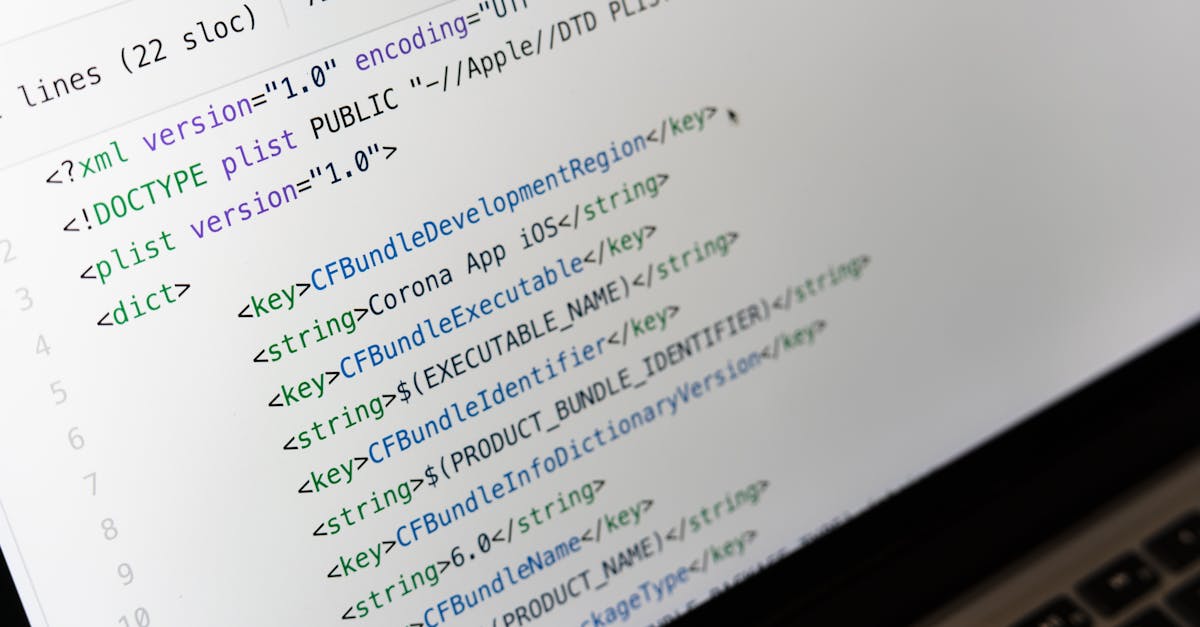
Photo by Markus Winkler on Pexels
Open-Source Law Enters the Real World
BambuStudio’s fork of PrusaSlicer has triggered a legal firestorm over AGPL compliance. The violation isn’t just a technicality—it’s a collision between corporate tooling and the strict reciprocity demands of copyleft licenses. For Prusa’s community, this isn’t about code reuse; it’s about whether proprietary actors can cherry-pick the benefits of open-source development while sidestepping its obligations.
The dispute centers on how BambuStudio modified PrusaSlicer, a free 3D printing software, and then distributed those changes without sharing their source code. The AGPL requires that any network-distributed derivative works must also be open-sourced. Bambu’s approach—forking the tool, adding features, and selling a SaaS version—falls squarely into the license’s crosshairs. Prusa’s lead developer, Josef Prusa, has documented the violation in code commits and API diffs, creating a paper trail that’s hard for a court to ignore.
Legal Precedents Collide
This isn’t the first time open-source licensing has tangled with commercial interests. The 2022 Versata vs. Ameriprise case revealed a deeper flaw in how companies treat GPL-licensed code. Versata’s Distribution Channel Management software included GPL’d VTD-XML, but the company avoided a proprietary license. When Ameriprise discovered this, they counter-sued, arguing that Versata’s GPL breach invalidated their own usage of the software. The case hinged on whether a state court could hear the GPL violation claim—an issue settled by the court’s ruling that federal copyright law preempted it.
The outcome left a void. Courts now face a procedural wall: while they can rule on licensing compliance, they can’t force a company to open-source a product under the GPL unless the case is framed as a direct copyright infringement. This technicality lets violators avoid the full scope of the license’s requirements while still facing legal risks over distribution.
Why AGPL Matters for Proprietary Ecosystems
The AGPL was designed to close a loophole in the GPL by requiring source code disclosure even for networked services. Unlike the GPL, which focuses on software distribution, the AGPL explicitly addresses SaaS as a form of distribution. BambuStudio’s SaaS model, which bundles modified PrusaSlicer code into a hosted service, makes the AGPL violation legally actionable.
Prusa’s advocacy highlights a broader tension: open-source projects must enforce licenses to maintain their integrity, but enforcement requires resources most developers lack. This case could force a reckoning with how open-source licenses interact with cloud-first business models. If Prusa wins, it may set a precedent that SaaS isn’t immune to copyleft requirements—a shift that could ripple through the industry.
What to Watch
The BambuStudio case will likely hinge on whether a court accepts Prusa’s argument that SaaS constitutes distribution under the AGPL. If Prusa wins, it could become a template for other FOSS projects to enforce licenses against cloud vendors. Conversely, a loss might embolden companies to exploit AGPL’s ambiguity around service models.
In parallel, the outcome of the Versata case could clarify how courts handle GPL violations in commercial software. Even if a court can’t compel a company to open-source its code, it could still levy damages or injunctions. Either result would reshape risk assessments for businesses using open-source components. The FOSS community needs clear rules—preferably from courts, not lawsuits—about where the line is drawn between compliance and exploitation.
Updates
- 2026-06-04 — Ramp raises $750M at $44B valuation as investors hunger for fintechs with an AI story (source)
Related Articles

SpaceXAI’s Grok Bot and the Rise of Autonomous AI Workmates
SpaceXAI launches Grok Bot, an always‑on AI teammate, while open‑source projects and xAI push the same agent model into coding workflows.

Meta’s Smart Glasses Spark Privacy Outcry as Workers in Nairobi
Meta’s new AI glasses raise alarm over covert data collection and reveal a hidden workforce in Kenya, while open‑source tools aim to curb the privacy fallout.
Public Domain Surge: Free Images and Apollo Code Now Open
A new image archive and NASA's Apollo 11 code release illustrate how public domain resources are reshaping developer workflows and creative projects.