Musk Secures 50% Voting Power

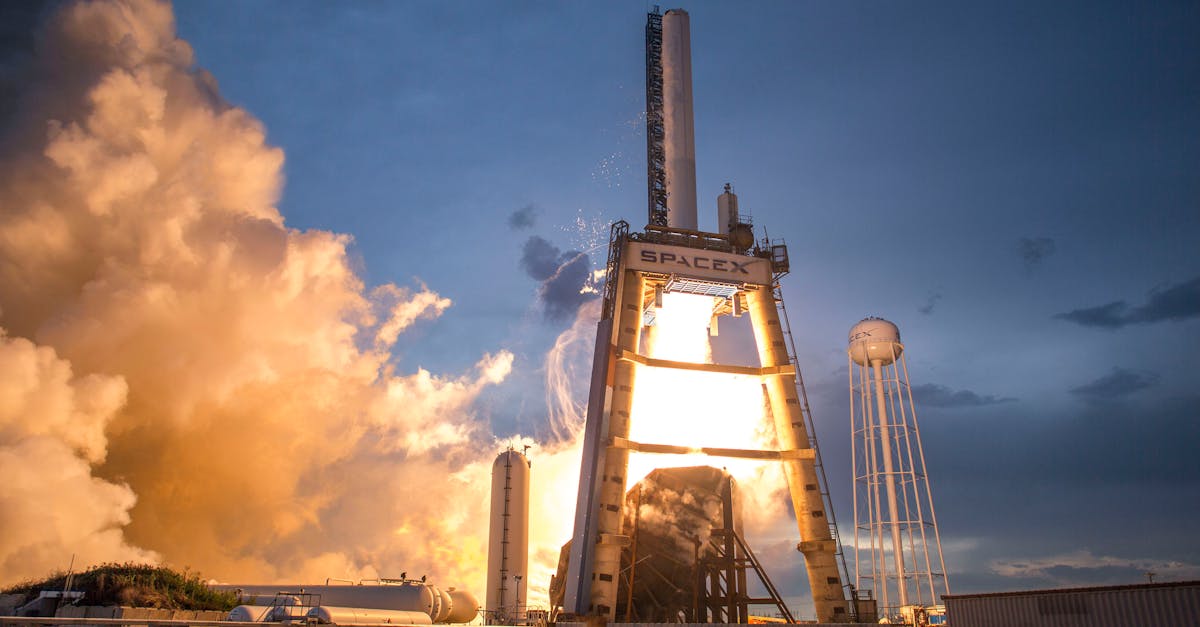
Musk Secures Control Over SpaceX IPO
Elon Musk will own more than half the voting shares in the publicly-traded version of SpaceX. This arrangement gives him control that surpasses most tech founders.
The filing grants Musk over 50% voting power, allowing him to steer board decisions, executive appointments, and strategic moves without shareholder dissent. This structure sidesteps typical dilution and cements Musk’s ability to pursue long-term goals.
Musk’s control over SpaceX is not unusual in the tech industry, but the extent of his power is notable. For instance, Mark Zuckerberg has around 54% of the voting power in Meta, but this is largely due to a dual-class share structure that gives him more votes per share. Musk’s control, on the other hand, comes from a combination of his direct ownership and his influence over the company’s board.
Orbital Data Centers: SpaceX’s New Focus
SpaceX’s S-1 filing positions the company as a provider of orbital data centers, a service aimed at offsetting the performance of its Grok AI platform.
The prospectus frames orbital data centers as a distinct revenue stream. This pitch suggests low-latency, space-based compute could compete with terrestrial AI clouds. The idea is that by placing data centers in orbit, SpaceX can offer faster and more secure computing services to customers, particularly those in the AI and machine learning spaces.
Orbital data centers are a relatively new concept, but they have the potential to disrupt the traditional data center industry. Companies like Amazon Web Services and Microsoft Azure have invested heavily in building out their data center infrastructure on Earth, but SpaceX believes that its orbital data centers can offer a unique advantage.
The concept of orbital data centers is still in its early stages, and there are many technical challenges to overcome. For example, how will the data centers be powered and cooled in space? How will the data be transmitted between the data centers and Earth? Despite these challenges, SpaceX is betting big on the potential of orbital data centers.
History of SpaceX’s Ambitions
This is not SpaceX’s first foray into ambitious projects. The company has been working on its Starlink satellite constellation, which aims to provide global internet connectivity. While the project has faced its share of challenges, it has also shown promising results.
In 2008, Musk said he had a low probability of success for both SpaceX and Tesla. However, despite the odds, both companies have managed to survive and thrive. SpaceX has become a leading player in the private space industry, and Tesla has become one of the most valuable companies in the world.
Musk’s willingness to take risks has been a key factor in SpaceX’s success. He has invested heavily in the company’s technology and has pushed the team to innovate and experiment. This approach has led to some significant breakthroughs, including the development of reusable rockets.
Political Backlash: Right-Wing Group Targets Musk’s Subsidies
A right-wing propaganda group led by a Trump propagandist has launched a campaign titled ‘Stop Elon From Failing Again.’ The group accuses Musk of defrauding American taxpayers through Tesla and SpaceX.
The manifesto claims Musk has received significant subsidies, grants, and favors. The campaign is funded by fossil-fuel interests. This kind of backlash is not new to Musk, who has faced criticism in the past for his business practices and his use of government subsidies.
The campaign against Musk is part of a larger effort to discredit him and his companies. Some critics argue that Musk has received too much government support, while others argue that his companies are not doing enough to address climate change.
Financial Maneuvers: Cybertruck Fleet Purchases and Past Financials
SpaceX and xAI have begun taking delivery of hundreds of Tesla Cybertrucks for their internal support fleets.
Musk previously mentioned that in 2008, he had a low probability of success for both SpaceX and Tesla. A Dogecoin investor has also sued Musk, Tesla, and SpaceX.
The purchase of Cybertrucks is an interesting move, given that Tesla has struggled to sell the electric pickup truck. The company has had issues with production and has had to cut back on its production targets.
The use of Cybertrucks by SpaceX and xAI could help to drive down costs and improve efficiency. However, it also raises questions about the demand for the vehicle and the future of Tesla’s production plans.
Technical Mechanics: How Orbital Data Centers Work
Orbital data centers are a complex system that requires a deep understanding of both space technology and data center operations. The idea is to use satellites in orbit to provide computing services, rather than relying on traditional data centers on Earth.
The benefits of orbital data centers include faster data transfer times and reduced latency. However, there are also significant technical challenges to overcome, such as how to power and cool the data centers in space.
One of the key challenges is developing a reliable and efficient power source. Solar panels are a common choice for powering satellites, but they may not be sufficient for the high-energy demands of data centers.
Downstream Implications: Who Benefits and Who is Squeezed
The success of SpaceX’s orbital data centers could have significant implications for the data center industry. Companies like Amazon Web Services and Microsoft Azure may need to adapt their business models to compete with SpaceX’s new offering.
On the other hand, companies that are already invested in space technology, such as Lockheed Martin and Boeing, may benefit from the growth of the orbital data center market.
The impact on the data center industry could be significant, as companies are forced to adapt to a new and rapidly changing market. This could lead to a period of consolidation and innovation, as companies seek to stay ahead of the competition.
What to Watch
Investors should track upcoming data points, including the SEC’s comments on the voting-control structure, SpaceX’s quarterly earnings, and any congressional hearing or SEC inquiry into the political campaign.
The company’s future success will depend on its ability to execute on its ambitious plans, while also navigating the complex regulatory environment. As the company moves forward with its orbital data center project, it will be interesting to see how it addresses the technical challenges and competition from established players.
The market will be closely watching SpaceX’s progress, as it seeks to disrupt the traditional data center industry. With its strong track record of innovation and execution, SpaceX is well-positioned to make a significant impact in the market.
Broader Industry Context
The data center industry is a rapidly growing market, driven by the increasing demand for cloud computing and data storage. Companies like Amazon Web Services, Microsoft Azure, and Google Cloud are investing heavily in their data center infrastructure, but SpaceX’s orbital data centers could provide a new and innovative solution.
The use of orbital data centers could also have significant implications for the satellite industry. Companies like Lockheed Martin and Boeing are already investing in satellite technology, but the growth of the orbital data center market could provide new opportunities for these companies.
The regulatory environment will also play a critical role in the success of SpaceX’s orbital data centers. The company will need to navigate a complex set of regulations and laws, including those related to space debris, data security, and intellectual property.
Overall, the success of SpaceX’s orbital data centers will depend on its ability to execute on its ambitious plans, while also navigating the complex regulatory environment. With its strong track record of innovation and execution, SpaceX is well-positioned to make a significant impact in the market.
Updates
Related Articles
Google Weighs SpaceX Partnership for Orbital Data Centers
Google considers partnering with SpaceX for data centers in orbit, a plan explored since late 2025.