

Google Weighs SpaceX Partnership for Orbital Data Centers

Google’s Orbital Ambition
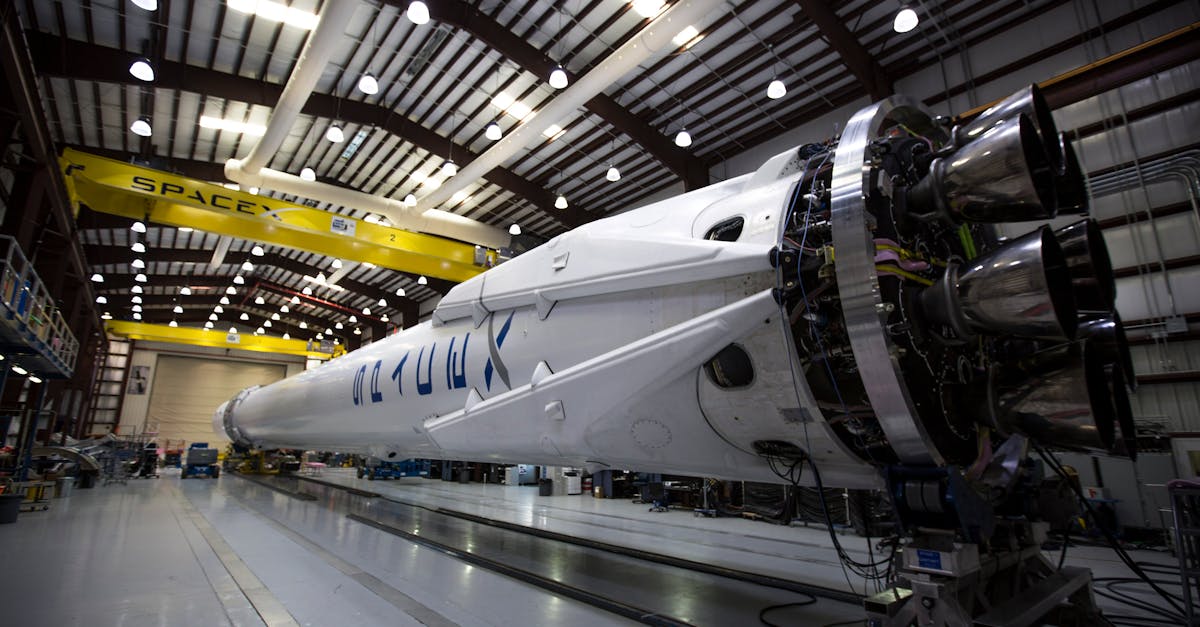
Google is exploring deploying data centers in orbit around Earth. This concept, considered since the end of 2025, involves a potential partnership with SpaceX. The idea of orbital data centers represents a significant shift in data storage and processing. By placing data centers in space, Google could reduce latency, increase data security, and leverage space’s unique environment for advanced computing. Discussions between Google and SpaceX are ongoing.
The notion of using space for data storage and processing dates back to the early 2000s, when companies like IBM and HP explored similar concepts. However, these ideas never materialized due to technological limitations and high costs. The involvement of both Google and SpaceX could bring significant resources and expertise to the table.
Technical and Practical Challenges
Deploying data centers in orbit comes with substantial technical and practical challenges. In space, data centers would need to contend with extreme temperatures, radiation, and the vacuum. The logistics of launching and maintaining such facilities are complex and costly. For instance, data centers on Earth rely on traditional cooling systems to dissipate heat. In space, data centers would need to employ alternative cooling methods, such as radiative cooling or heat pumps.
Moreover, the harsh environment of space poses significant risks to electronic equipment. Radiation can cause data corruption and hardware failures, while extreme temperatures can affect equipment performance. Developing data centers that can operate reliably in space will require significant advancements in materials science, mechanical engineering, and computer systems design.
Industry Context and Precedent
The interest in orbital data centers reflects a broader trend in tech: pursuing innovative solutions to meet growing data demands. As global data consumption rises, companies are exploring new ways to store, process, and transmit data. Several companies and governments have demonstrated interest in space-based data storage and processing. For example, there have been proposals for data centers on the Moon or Mars.
The increasing demand for data storage and processing is driven by the growth of cloud computing, artificial intelligence, and the Internet of Things (IoT). As these technologies continue to advance, the need for more efficient and scalable data storage solutions will become increasingly pressing. Orbital data centers could provide a solution to this problem, but their development will depend on overcoming significant technical and practical challenges.
History of Space-Based Data Storage
The concept of using space for data storage and processing is not new. In the 1960s and 1970s, NASA and the US Department of Defense explored the idea of using satellites for data storage and transmission. More recently, companies like Microsoft and Amazon have expressed interest in using space for data storage and processing.
Microsoft, for instance, has launched a program to develop a space-based data storage system using a satellite constellation. Amazon has also announced plans to develop a space-based data storage system using its Kuiper Systems satellite constellation. These initiatives demonstrate the growing interest in space-based data storage and processing, and the potential for orbital data centers to play a key role in this market.
What’s Next
As Google and SpaceX continue to explore their potential partnership, several key factors will determine the project’s success. The technical viability of orbital data centers, the cost, and the regulatory environment will all play crucial roles. If successful, this initiative could launch a new generation of space-based infrastructure. Readers should watch for updates, particularly any official announcements from Google and SpaceX.
The development of orbital data centers will also depend on the development of supporting infrastructure, such as launch services and satellite constellations. The growth of the space industry has led to a decrease in launch costs and an increase in launch frequency, making it more feasible to deploy and maintain orbital data centers.
In conclusion, the proposed partnership between Google and SpaceX represents a significant step forward in the development of orbital data centers. While there are significant technical and practical challenges to overcome, the potential benefits of this technology make it an exciting and worthwhile pursuit.
Updates
- 2026-09-21 — California tightens rules on AI data center energy and water use (source)
- 2026-09-18 — Deals: AirPods Pro 3, iPhone 18 Pro cases and chargers, M5 MacBook Pro $320 off, more (source)
- 2026-09-04 — Apple plans to launch home security and monitoring service: report (source)
- 2026-08-31 — A group funded by Andreessen, Horowitz, and Brockman plans data center ads to sway midterms (source)
- 2026-05-18 — Show HN: Semble – Code search for agents that uses 98% fewer tokens than grep (source)
Related Articles
Google signs $30 billion AI deal with SpaceX
Google agrees to pay SpaceX $920 million monthly for AI data center usage in a $30 billion deal.
Musk Secures 50% Voting Power
Elon Musk will hold over 50% voting power in SpaceX's IPO, while the company touts orbital data centers and faces political attacks and internal cash moves.
Tech Roundup: SpaceX Chip Factory, Google AI Search
SpaceX considers $55 billion chip factory in Texas, Google updates AI search with Reddit and forum advice.