

AMD Prices Ryzen AI Halo PC at $3,999, Competes with Nvidia


Photo by Google DeepMind on Pexels
AMD Challenges Nvidia with Ryzen AI Halo PC
AMD released a pre-built workstation, the Ryzen AI Halo PC, priced at $3,999. This machine targets developers and enterprises running large language models locally, a market dominated by Nvidia’s DGX Spark line. The Halo features AMD’s newly announced Ryzen AI Max 400 chips, which integrate a dedicated AI accelerator alongside Zen 4 CPU cores. AMD’s pricing undercuts Nvidia’s entry-level DGX Spark configuration.
The Ryzen AI Max 400 chips represent a significant step forward in AMD’s efforts to provide high-performance AI processing capabilities. By integrating a dedicated AI accelerator, AMD aims to reduce the reliance on GPU-based solutions, which have traditionally been the domain of Nvidia. The success of this strategy will depend on the performance and efficiency of the Ryzen AI Max 400 chips.
AMD’s move into the AI workstation market is aggressive, with the company positioning itself as a competitor to Nvidia’s established dominance. The $3,999 price point for the Ryzen AI Halo PC is a key factor in this strategy, as it offers a more affordable option for developers and enterprises looking to run large language models locally.
Adobe Pushes AI to Desktop with Photoshop 27.7
Adobe shipped Photoshop version 27.7, adding an on-device AI model to the Remove tool. The model runs locally, reducing latency and protecting user data. Adobe notes the feature has “rather steep hardware requirements,” but does not disclose exact specifications. This move by Adobe highlights the growing importance of on-device AI processing for creative professionals.
The introduction of on-device AI in Photoshop 27.7 marks a significant shift towards edge computing in the creative industry. By processing AI tasks locally, Adobe aims to improve performance and reduce reliance on cloud-based services. However, the steep hardware requirements may limit the adoption of this feature among users with lower-end hardware.
Adobe’s decision to integrate on-device AI into Photoshop 27.7 reflects the company’s focus on providing users with more efficient and effective tools. The Remove tool, which uses AI to automatically remove unwanted objects from images, is a prime example of this focus. By running the AI model locally, Adobe can provide users with faster and more reliable performance.
Market Impact
The $3,999 price point for AMD’s Halo PC forces Nvidia to defend its premium with performance or service differentiators. The competitive dynamics of the AI workstation market may shift as a result. Nvidia has traditionally maintained a strong position in this market, but AMD’s aggressive pricing could erode this dominance.
The AI workstation market is expected to grow significantly in the coming years, driven by increasing demand for high-performance computing and AI processing capabilities. AMD’s entry into this market with the Ryzen AI Halo PC could have far-reaching implications for the industry.
As the market continues to evolve, it will be important to watch how Nvidia responds to AMD’s aggressive pricing. The company may need to adjust its pricing strategy or provide additional value to its customers in order to remain competitive.
Industry Context
The AI workstation market is a rapidly evolving space, with several players vying for dominance. Nvidia’s DGX Spark line has been a leading solution for developers and enterprises running large language models locally. However, AMD’s Ryzen AI Halo PC and other competing solutions are expected to challenge Nvidia’s position.
The market size for AI workstations is estimated to be in the billions, with a growth rate of over 20% per annum. As the demand for high-performance AI processing capabilities continues to grow, the competition among vendors is expected to intensify.
The AI workstation market is also influenced by the broader trend of digital transformation. As more companies adopt AI and machine learning technologies, the demand for high-performance computing and AI processing capabilities will continue to grow.
What to Watch
Stakeholders should monitor AMD’s quarterly shipments, Adobe’s feature-usage metrics, and any price adjustments from Nvidia or major cloud AI vendors. The intersection of hardware cost and software capability will define the pace at which on-device AI becomes the default for creative professionals.
In the coming months, it will be crucial to watch how Nvidia responds to AMD’s aggressive pricing and whether Adobe’s on-device AI feature gains traction among users. The outcome of these developments will have significant implications for the AI workstation market and the broader tech industry.
The success of AMD’s Ryzen AI Halo PC and Adobe’s on-device AI feature will depend on a variety of factors, including performance, pricing, and user adoption. As the market continues to evolve, it will be important to monitor these developments and assess their impact on the industry.
Technical Mechanics
The Ryzen AI Max 400 chips integrate a dedicated AI accelerator alongside Zen 4 CPU cores. This design choice allows for improved performance and efficiency in AI processing tasks. The AI accelerator is designed to handle the complex computations required for large language models, reducing the reliance on GPU-based solutions.
The use of a dedicated AI accelerator in the Ryzen AI Max 400 chips represents a significant advancement in AI processing technology. By optimizing the design of the chip for AI workloads, AMD aims to improve performance and reduce power consumption.
The technical mechanics of the Ryzen AI Max 400 chips are a key factor in their performance and efficiency. The integration of a dedicated AI accelerator allows for faster and more efficient processing of AI tasks, making it an attractive option for developers and enterprises.
Downstream Implications
The launch of the Ryzen AI Halo PC and Adobe’s on-device AI feature in Photoshop 27.7 has significant implications for the tech industry. As on-device AI becomes more prevalent, the demand for high-performance AI processing capabilities will continue to grow.
The companies that can provide the most efficient and cost-effective solutions for AI processing will be well-positioned to capitalize on this trend. The outcome of the competition among vendors will have far-reaching implications for the tech industry and the broader economy.
The downstream implications of the Ryzen AI Halo PC and Adobe’s on-device AI feature are significant. As more companies adopt AI and machine learning technologies, the demand for high-performance computing and AI processing capabilities will continue to grow.
Updates
Related Articles
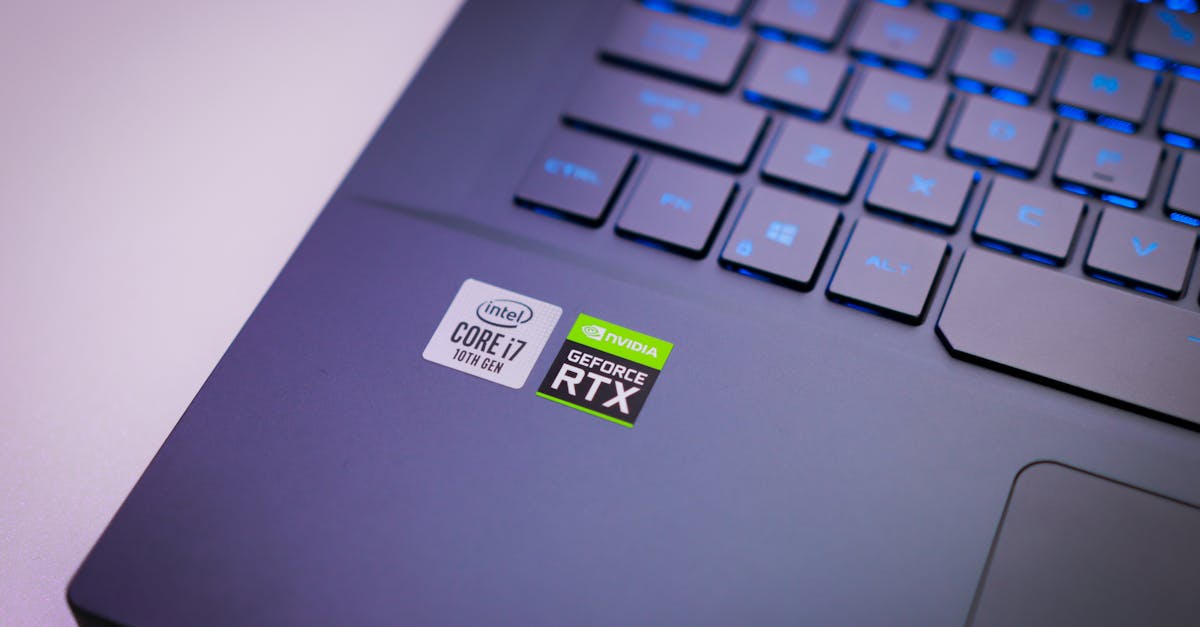
Nvidia's AI Leap: RTX Spark Laptops and Automotive Advances
Nvidia pushes boundaries with RTX Spark laptops and automotive AI tech
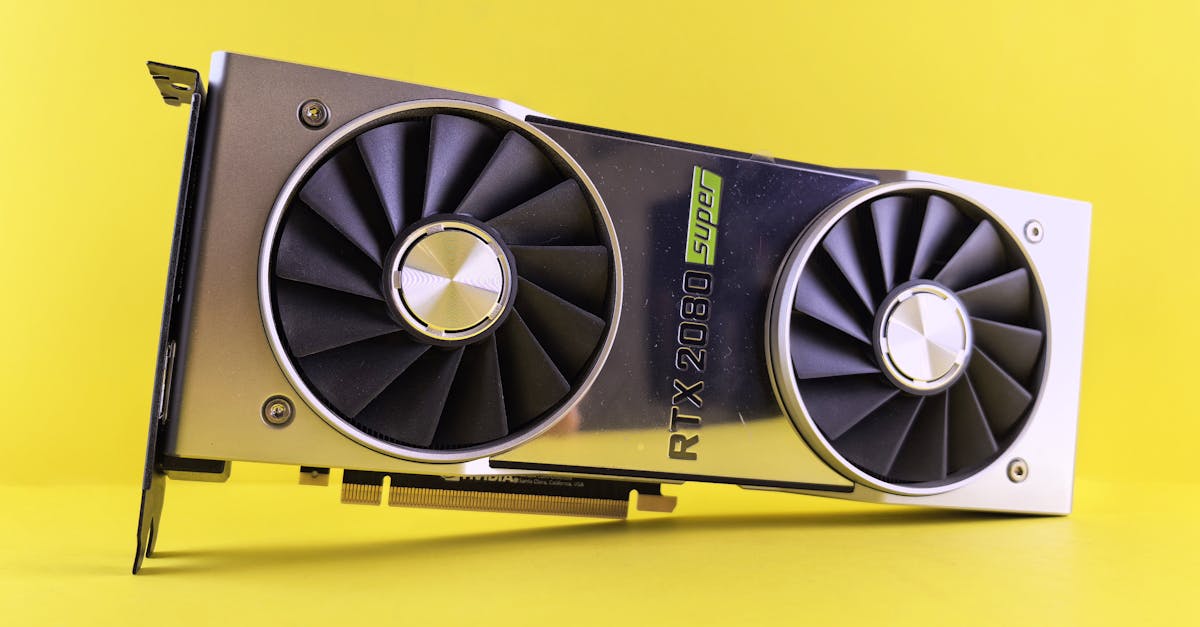
Nvidia Unveils RTX Spark Superchip for AI-Powered PCs
Nvidia and Microsoft partner to bring AI agents to Windows PCs with new RTX Spark superchip
AMD, Intel, Nvidia, and Dell reshape PC hardware roadmaps
AMD commits to AM5 support until 2029, Intel debuts low-cost AI chip, Nvidia enters PC silicon market, and Dell counters MacBook Neo.