

Nvidia Unveils RTX Spark Superchip for AI-Powered PCs

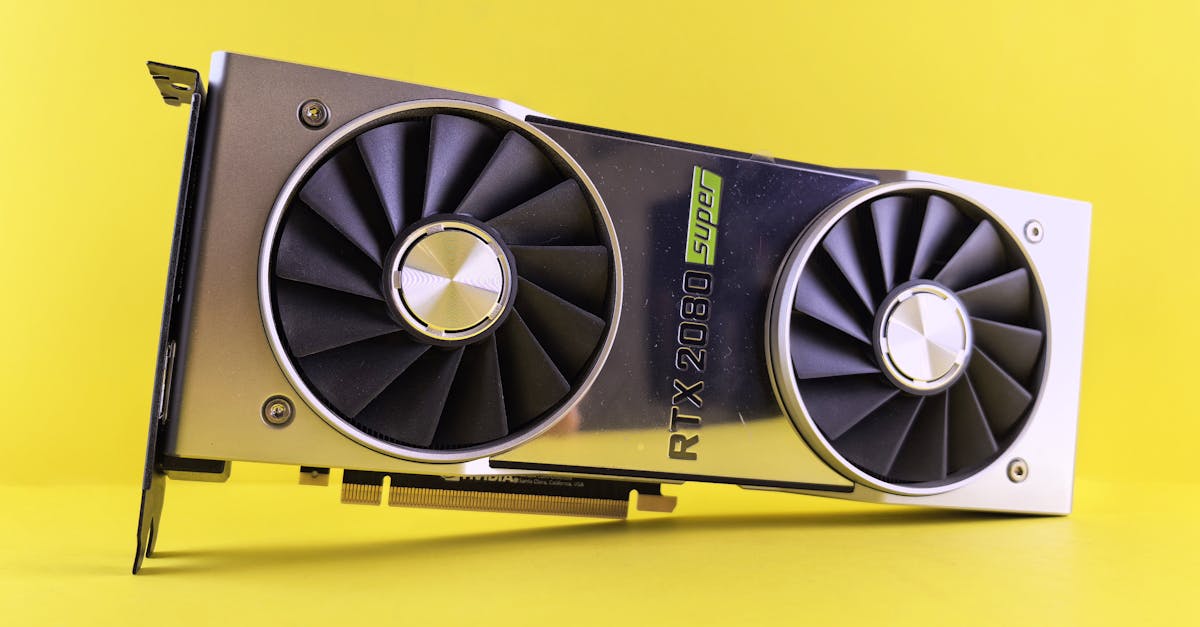
Photo by Andrey Matveev on Pexels
Nvidia and Microsoft Unveil RTX Spark Superchip for AI-Powered Windows PCs
Nvidia unveiled the NVIDIA RTX Spark™ superchip at GTC Taipei, a new superchip that reinvents Windows PCs for the era of personal AI agents — offering a new class of computer that moves from tool to teammate. This superchip is designed to bring AI agents to Windows PCs, enabling users to interact with their computers in a more natural and intuitive way.
The RTX Spark superchip brings together 30 years of Nvidia innovation, including CUDA®, RTX™, DLSS, FP4, TensorRT™, OptiX™, Reflex, and G-SYNC®. This powerful combination enables on-device agents that can execute tasks in Windows applications, reason through cross-app workflows, generate images and video, code plug-ins and apps, and semantically search local files. For instance, users can ask their AI agent to create a presentation using data from various applications, or to generate a video based on a set of images.
Security and Privacy at the Forefront
The RTX Spark superchip is designed with security and privacy in mind. Nvidia and Microsoft have worked together to ensure that the superchip meets the highest standards of data protection and user privacy. The superchip uses advanced security features, such as encryption and secure boot, to protect user data and prevent unauthorized access.
Market Opportunity and Industry Context
The CPU market opportunity for Nvidia is significant, with a potential market size of $200B. The partnership between Nvidia and Microsoft demonstrates the growing importance of collaboration between tech giants to drive innovation in AI. Several companies, including Dell and HP, are exploring ways to integrate AI agents into personal devices. This trend is expected to continue, with more companies entering the market in the coming years.
The AI-powered PC market is still in its early stages, but it has the potential to revolutionize the way we interact with computers. According to industry analysts, the market for AI-powered PCs is expected to grow rapidly, driven by increasing demand for more intuitive and personalized computing experiences. For example, AI-powered PCs can enable users to interact with their computers using natural language, or to generate content such as images and videos more easily.
History of AI-Powered PCs
The concept of AI-powered PCs has been around for several years, but recent advances in AI technology have made it possible to bring AI agents to personal devices. Nvidia and Microsoft have a long history of collaboration, dating back to the early days of AI research. This partnership has led to several innovations in AI, including the development of the RTX Spark superchip. One notable example of this collaboration is the development of the Microsoft Azure Machine Learning platform, which allows developers to build, train, and deploy AI models.
Technical Mechanics
The RTX Spark superchip uses a combination of Nvidia’s CUDA and TensorRT technologies to enable AI agents to run on Windows PCs. The superchip is designed to be highly efficient, with a low power consumption that enables long battery life in laptops and small form factors in desktops. The superchip also uses Nvidia’s DLSS (Deep Learning Super Sampling) technology, which enables fast and efficient rendering of graphics and video.
To illustrate the technical mechanics of the RTX Spark superchip, consider the example of a user interacting with an AI agent on their Windows PC. The AI agent uses the superchip’s CUDA and TensorRT technologies to process natural language inputs and generate responses. The superchip’s DLSS technology enables fast and efficient rendering of graphics and video, allowing the user to interact with the AI agent in a seamless and intuitive way.
Downstream Implications
The adoption of RTX Spark superchip by leading manufacturers will determine the trajectory of personal AI computers. As technology advances, we can expect more innovative applications of AI agents in various industries, such as healthcare, finance, and education. For example, AI-powered PCs can enable healthcare professionals to analyze medical images more easily, or to develop personalized treatment plans for patients.
The RTX Spark superchip has the potential to enable a wide range of new applications, from AI-powered virtual assistants to AI-driven gaming experiences. As the market for AI-powered PCs continues to grow, we can expect to see new and innovative uses for this technology. One potential application is in the field of education, where AI-powered PCs can enable personalized learning experiences for students.
Consequence
The introduction of the RTX Spark superchip marks a significant shift in the way we interact with computers. As AI agents become more prevalent, we can expect to see new and innovative applications across various industries. The partnership between Nvidia and Microsoft demonstrates the growing importance of collaboration between tech giants to drive innovation in AI.
The future of AI-powered PCs is exciting and full of possibilities. As technology continues to advance, we can expect to see new and innovative applications of AI agents in various industries. With the RTX Spark superchip, Nvidia and Microsoft are leading the way in the development of AI-powered PCs, and it will be interesting to see how the market responds to this new technology.
In conclusion, the RTX Spark superchip has the potential to revolutionize the way we interact with computers. With its powerful combination of Nvidia innovation and Microsoft’s Windows platform, the superchip enables users to interact with their computers in a more natural and intuitive way. As the market for AI-powered PCs continues to grow, we can expect to see new and innovative applications of this technology across various industries.
Updates
- 2026-09-03 — Nvidia RTX Spark ‘Superchip’: The First AI PCs Are Here (source)
Related Articles

Microsoft Unveils Surface Laptop Ultra and RTX Spark Dev Box
Microsoft debuts two new Surface devices powered by Nvidia's RTX Spark chips, targeting performance and development needs.
Nvidia's AI Leap: RTX Spark Laptops and Automotive Advances
Nvidia pushes boundaries with RTX Spark laptops and automotive AI tech