

FBI Seeks Nationwide Access to License Plate Cameras

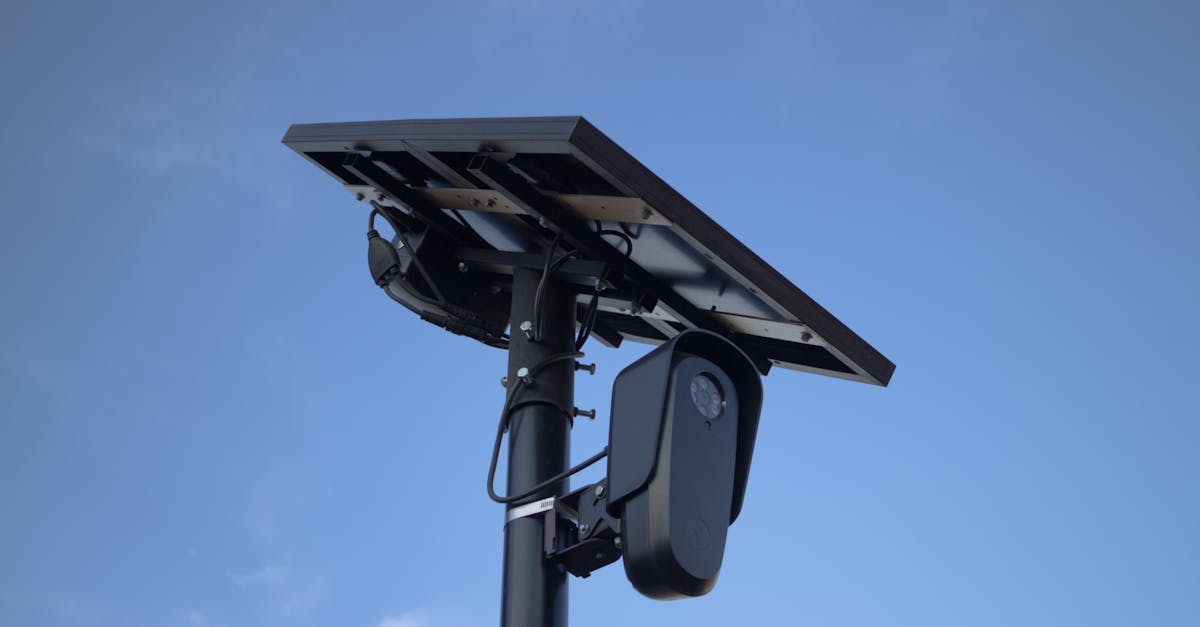
Photo by Will Freeman on Pexels
License Plate Surveillance Takes Center Stage
The FBI is seeking nationwide access to license plate recognition (LPR) camera data to track and search for vehicles across the United States. This move is raising significant concerns about privacy and surveillance.
The Scope of the FBI’s Request
According to reports, the FBI will pay vendors to help it access and search LPR camera data in near real-time. The goal is to enable the FBI to track and search for vehicles nationwide, potentially giving the agency a powerful tool for investigations.
Broader Industry Context
The use of LPR cameras is becoming increasingly widespread in the US. Many law enforcement agencies already use LPR technology to track and identify vehicles. For instance, the Los Angeles Police Department (LAPD) has been using LPR technology since 2006, and has reported significant success in solving crimes. However, the FBI’s plan to access and search LPR camera data on a nationwide scale takes this to a new level. The market for LPR technology is growing rapidly, with several companies competing for contracts with law enforcement agencies. According to a report by MarketsandMarkets, the global LPR market is expected to grow from $1.4 billion in 2020 to $3.4 billion by 2025.
History of LPR Technology
LPR technology has been in use for several years, with many law enforcement agencies deploying it to track and identify vehicles. One notable example is the use of LPR technology by the Florida Highway Patrol, which has been using the technology since 2010 to track down stolen vehicles and solve crimes. However, the FBI’s plan to access and search LPR camera data on a nationwide scale is a significant escalation of this technology’s use. There have been several instances of controversy surrounding the use of LPR technology, including concerns about its accuracy and potential for bias. In 2019, the American Civil Liberties Union (ACLU) raised concerns about the use of LPR technology by law enforcement agencies, citing the potential for abuse and the need for greater oversight.
Technical Mechanics
The technical mechanics of LPR technology involve the use of cameras to capture images of license plates, which are then processed using optical character recognition (OCR) software to extract the plate numbers. The data is then stored in a database, where it can be searched and analyzed. The FBI’s plan to access and search LPR camera data on a nationwide scale would require the development of a sophisticated database management system, capable of handling large amounts of data from multiple sources. The system would also need to be designed to ensure the accuracy and integrity of the data, as well as to prevent unauthorized access.
Implications for Privacy and Surveillance
Critics argue that such a system could be used to track individuals’ movements without their consent, raising serious privacy issues. The potential for abuse of this technology is significant, and many are calling for greater oversight and regulation of its use. The ACLU has raised concerns about the potential for the FBI to use LPR technology to track individuals based on their political or religious beliefs, and has called for the agency to develop clear guidelines and safeguards to prevent such abuse.
Downstream Implications
The FBI’s plan to implement and oversee the use of LPR camera data bears close scrutiny. The potential impact on individual privacy remains to be seen. If the FBI is able to access and search LPR camera data on a nationwide scale, it could have significant implications for civil liberties. The decision to move forward with this plan will likely have far-reaching consequences for the use of surveillance technology in the US. It may also set a precedent for other law enforcement agencies to adopt similar technology, potentially leading to a significant expansion of surveillance capabilities.
What to Watch
As the FBI moves forward with its plan, there are several things to watch. First, how will the agency ensure that the data is accurate and not biased? Second, what safeguards will be put in place to prevent abuse of the technology? Finally, how will the FBI balance the need for surveillance with the need to protect individual privacy? The answers to these questions will be critical in determining the impact of the FBI’s plan on civil liberties and individual privacy.
The FBI’s plan to implement and oversee the use of LPR camera data is a complex issue with significant implications for privacy and surveillance. As the agency moves forward with its plan, it will be important to monitor its actions and ensure that the technology is used responsibly.
Future Consequences
The consequences of the FBI’s plan will likely be far-reaching. If the agency is able to access and search LPR camera data on a nationwide scale, it could potentially track the movements of millions of individuals. This could have significant implications for civil liberties, and could potentially be used to target certain groups or individuals based on their political or religious beliefs. It will be critical for the FBI to develop clear guidelines and safeguards to prevent such abuse, and to ensure that the technology is used in a way that is transparent and accountable.
Related Articles

Flock's Audit Assistance Tool
Flock's new tool aims to identify police abuse, but lacks transparency
FBI Warns of Intimate Photo Theft in Extortion Campaigns
FBI alert on cybercriminals stealing intimate photos for extortion
Flock Surveillance Cameras Face Destruction Amid Public Backlash
Activists target ICE-linked cameras as privacy concerns escalate