

Flock Surveillance Cameras Face Destruction Amid Public Backlash

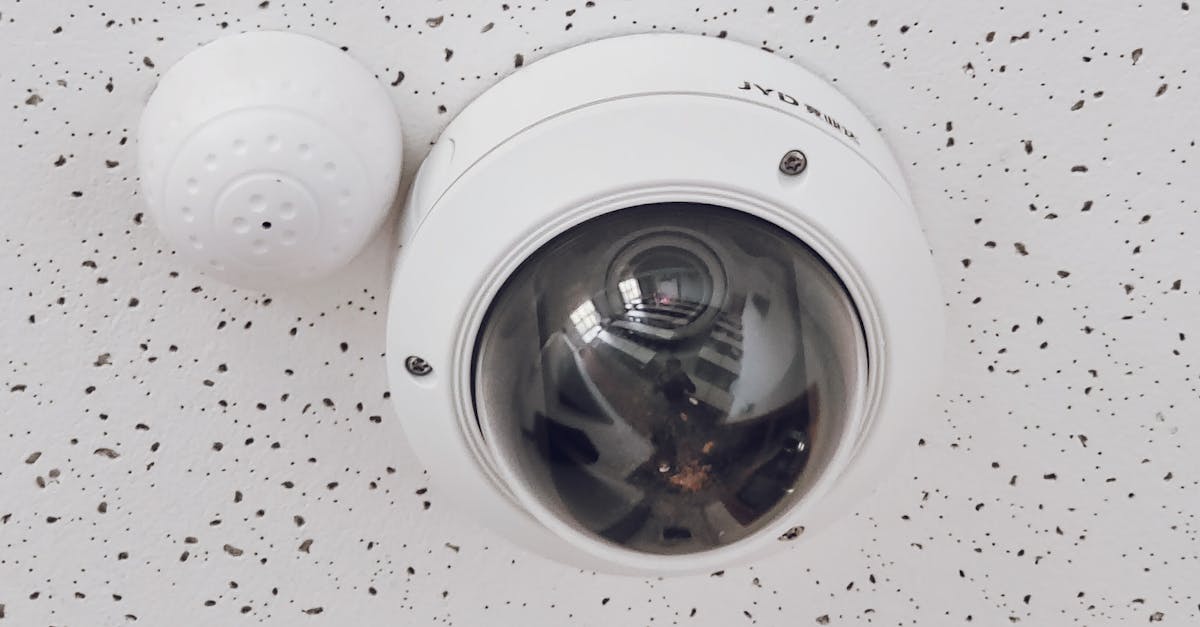
Surveillance Cameras Under Attack
Over 200 Flock F1 cameras were destroyed across 17 U.S. states since March 2026, according to stateofsurveillance.org. The attacks target devices installed through Flock Safety’s contracts with U.S. Immigration and Customs Enforcement (ICE) and the Department of Homeland Security.
Contract Details and Operational Reach
Flock Safety has contracts with ICE and DHS, but the exact details of these agreements are unclear. The company retains raw footage for an undisclosed amount of time and provides AI-powered analytics to ICE. A review of the agreements with ICE reveals a lack of clear guidelines on data retention and sharing, sparking concerns over the potential misuse of surveillance data.
Public Backlash and Legal Uncertainty
Hacktivist groups have claimed responsibility for the attacks, deploying various methods to disable the cameras. Meanwhile, a Hacker News discussion debated the legality of the vandalism, with some arguing that First Amendment protections extend to physical sabotage of government-contracted surveillance infrastructure. The debate highlights the gray areas in U.S. law regarding the destruction of property linked to government surveillance.
Broader Industry Context
The surveillance camera market grew 17% in 2025 to $24 billion, per Grand View Research. Flock Safety’s business model relies heavily on public sector contracts, which contrasts with Palantir’s $3.2 billion federal contract portfolio for 2026. The growth of the surveillance market has raised concerns over the proliferation of surveillance technology and its impact on civil liberties.
History of Surveillance Controversies
Prior to the Flock camera attacks, there have been several high-profile controversies surrounding surveillance technology. In 2024, the city of Chicago faced a lawsuit over its use of facial recognition technology, with activists arguing that the technology was being used to target minority communities. The lawsuit was eventually settled out of court, but the controversy highlights the ongoing tension between public safety and individual privacy.
Technical Mechanics
Flock cameras use AI-powered analytics to detect and track individuals, raising concerns over the potential for mass surveillance. The cameras also retain raw footage for an undisclosed amount of time, sparking concerns over the potential for data retention and misuse. The technical mechanics of the cameras highlight the potential for surveillance technology to be used as a tool of oppression.
Downstream Implications
The destruction of Flock cameras has sparked a broader debate over the use of surveillance technology and its impact on civil liberties. Activists are calling for policy reforms to limit the use of surveillance technology and protect individual rights. A California class-action lawsuit seeks $18 million in damages for alleged Fourth Amendment violations through the Flock-ICE data sharing agreement.
What to Watch
The Department of Justice will decide by July 2026 whether to pursue federal charges against 22 suspects arrested during recent vandalism campaigns. Flock Safety and ICE have not publicly commented on the incidents. The ongoing debate over surveillance technology and its impact on civil liberties will likely continue to be a major issue in the coming months.
Industry Response
The destruction of Flock cameras has sparked a response from the surveillance industry, with some companies arguing that the attacks are a form of terrorism. Others have argued that the attacks are a necessary response to the proliferation of surveillance technology. The industry response highlights the ongoing tension between public safety and individual privacy.
Activist Movement and Policy Reforms
The destruction of Flock cameras is part of a broader public protest movement against surveillance. Activists are calling for policy reforms to limit the use of surveillance technology and protect civil liberties. A California class-action lawsuit seeks $18 million in damages for alleged Fourth Amendment violations through the Flock-ICE data sharing agreement.
Visual Context
The destruction of Flock cameras has sparked a visual response, with activists using social media to share images and videos of the damaged cameras. The visual context highlights the physical nature of the protests and the impact of surveillance technology on individual rights.
Conclusion
The destruction of Flock cameras has sparked a major controversy over the use of surveillance technology and its impact on civil liberties. The debate highlights the ongoing tension between public safety and individual privacy, and raises important questions about the role of surveillance technology in modern society. As the controversy continues to unfold, it is clear that the issue will be a major focus of public debate in the coming months.
Related Articles

Flock's Audit Assistance Tool
Flock's new tool aims to identify police abuse, but lacks transparency

Apple's Private Relay Bug Exposes User IP Addresses
Bug in Apple's Private Relay feature reveals users' real IP addresses
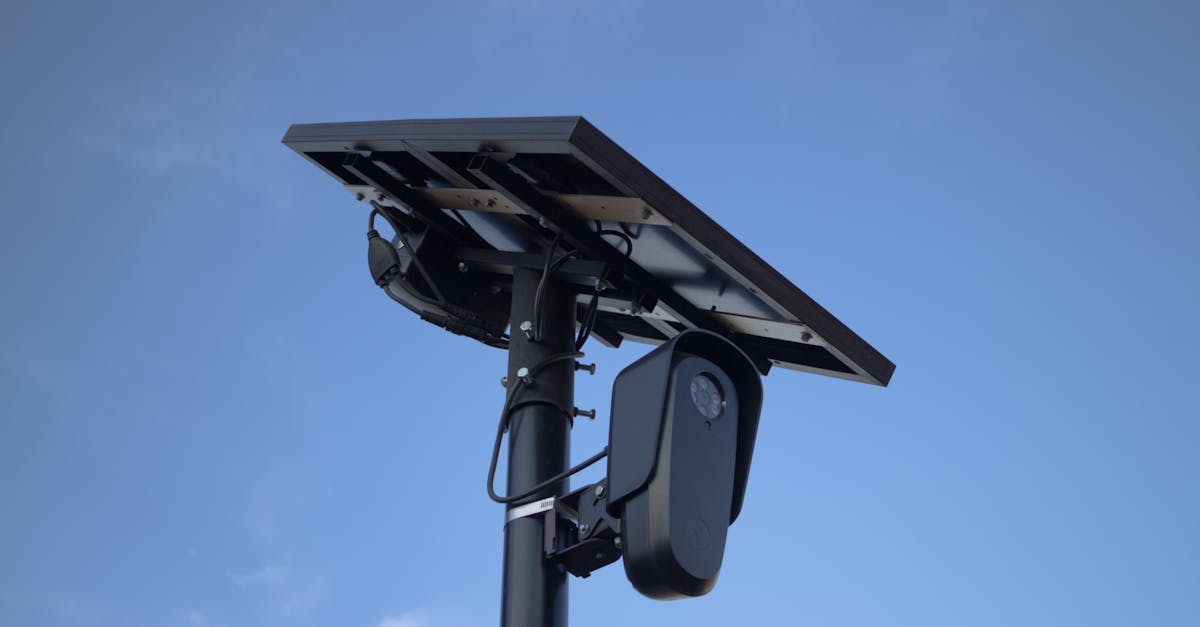
FBI Seeks Nationwide Access to License Plate Cameras
FBI wants real-time access to license plate camera data to track vehicles across the US.