

Google TV Embraces Wii‑Style Pointer Remotes

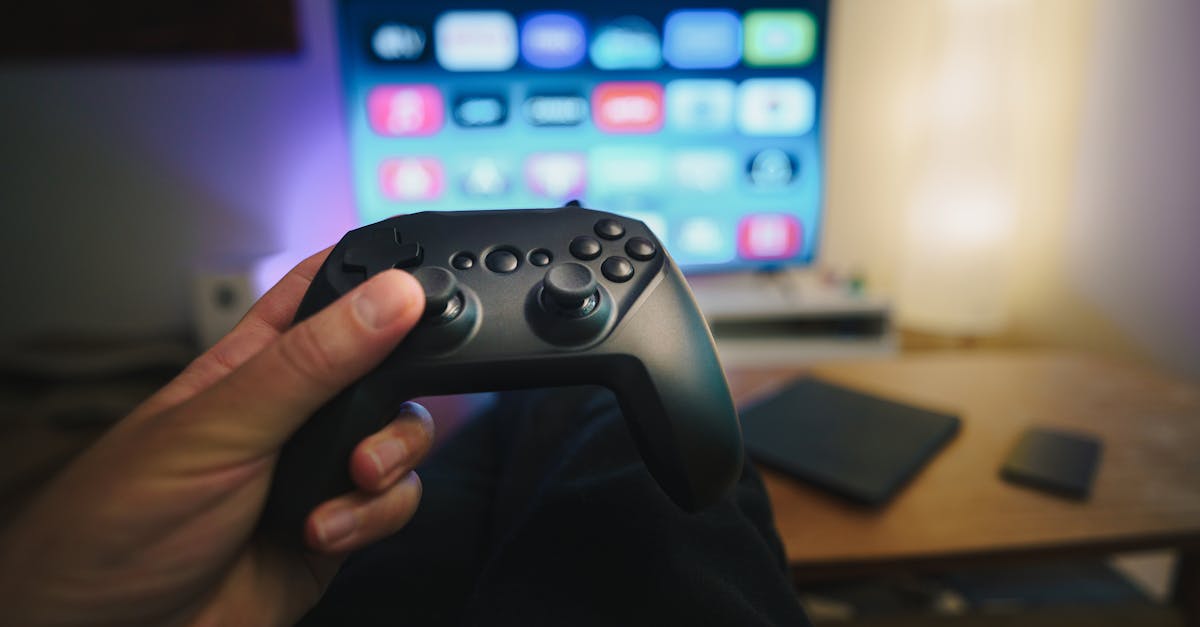
Photo by Jakub Zerdzicki on Pexels
Google TV Gets Wii‑Style Pointer Remotes
Google announced at I/O 2026 that Google TV will accept Wii‑like pointer remotes. The move forces the platform’s homescreen and apps to add native pointer support. The reveal came alongside the usual parade of Pixel hardware and AI updates, but the remote shift feels like the most tangible change for everyday viewers.
The pointer remote is a handheld device that reports its orientation and button presses, letting users aim a cursor on the screen much like a game controller. Google framed the feature as a response to developers who have asked for finer‑grained navigation than the traditional D‑pad. No pricing or hardware details were released, but the announcement implied that third‑party manufacturers will ship compatible remotes soon.
Why a Pointer Matters for the TV Experience
Current Google TV navigation leans on directional pads and voice commands. Those inputs work for scrolling lists, but they stumble when an app presents a grid of small thumbnails or a complex settings panel. A pointer can land directly on a target, cutting down on button presses.
For power users, the pointer feels like a natural extension of the remote‑centric living room. It mirrors the way gamers have interacted with consoles for over a decade, and it gives developers a new interaction model to design around. The change also nudges Google TV closer to the desktop‑like experience that Chrome OS users already enjoy.
Critics worry that adding a new remote type will fragment the ecosystem. If only a subset of apps adopt pointer handling, users could end up juggling two control schemes. The risk is that the promised convenience evaporates when a popular streaming app ignores the new API.
Technical Hurdles and App Updates
Google’s brief said the platform will push a homescreen update that includes pointer‑ready widgets. Developers will need to implement a new input listener that translates the remote’s orientation data into screen coordinates. The change is optional at launch, but Google warned that future UI guidelines will assume pointer compatibility.
Existing apps that rely on simple focus‑based navigation will have to audit every interactive element. Buttons that are currently spaced for D‑pad selection may need larger hit‑boxes to accommodate a cursor. The update also raises latency concerns; a laggy pointer feels worse than a sluggish D‑pad.
Google’s developer portal, which rolled out a major Firebase expansion at the same event, will likely host the new SDKs. The company’s track record of rapid rollout suggests that early adopters could see pointer support within weeks, while laggards may wait months.
Competitive Landscape and Developer Response
Streaming platforms have experimented with motion‑based remotes before. Amazon’s Fire TV Cube and Apple TV’s Siri Remote both offer limited pointing, but neither has made it a first‑class navigation method. Google’s decision to treat the pointer as a primary input could force rivals to accelerate similar roadmaps.
Early chatter on Hacker News highlighted the “sheer scope” of the I/O announcements and noted that Google’s AI rollout—PaLM 2 powering Search snapshots, Bard opening to all users, and Magic Compose in Messages—shows the company’s appetite for integrated experiences. The pointer fits that narrative by tying hardware to software in a more tactile way.
Developers expressed mixed feelings in the comments. Some praised the fresh interaction model, calling it “a long‑overdue upgrade for TV UI design.” Others warned that “adding a pointer layer without clear guidelines will create a broken user experience.” The split mirrors the broader debate over how much control Google should dictate in the TV app ecosystem.
What to Watch
Google will ship the homescreen update later this year, and third‑party remote manufacturers have hinted at prototypes. Track the rollout of the new input SDK on the Google Developer site and watch for the first apps that announce pointer support. The next I/O keynote will likely reveal whether Google expects the pointer to become the default remote or remain an optional accessory.
Updates
- 2026-08-29 — “RFK Jr. has lied to the Senate”: Lawmakers call for criminal probe, ouster (source)
Related Articles
Walmart's $248 Google TV, AMD's $549 GPU, iPhone LATAM Rise
Walmart launches $248 Onn Google TVs, AMD rolls out a $549 Radeon 9070 GRE, and Apple sees iPhone shipments up 8% in Latin America Q1 2026.

Googlebook challenges Apple’s retail play as Mac Studio prices
Google’s $899 AI‑native laptop and Apple’s store‑first philosophy clash amid rising component costs and AI‑driven hardware bets.
Xiaomi MiMo 2.6, Grok 4.7, and a Wave of Mid‑Month Tech Setbacks
A roundup of Xiaomi's MiMo 2.6 launch, x.ai's Grok 4.7 update, NASA's Mars Sample Return cancellation, and other mid‑September tech headlines.