

Google commits 7 years to Pixel 8 updates

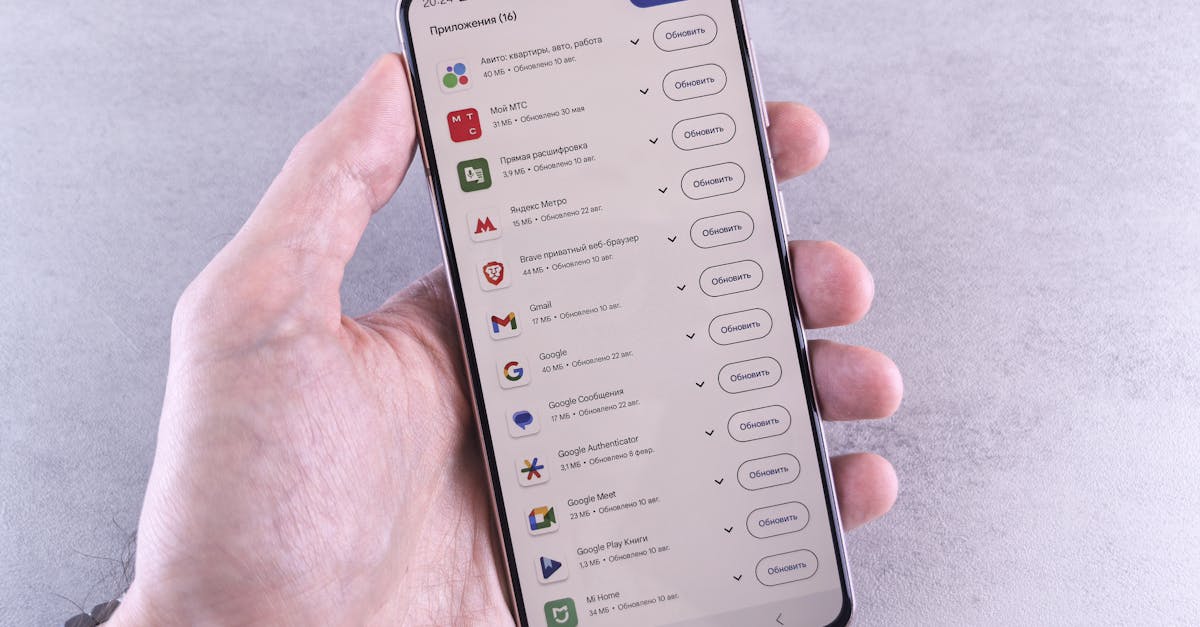
Photo by Andrey Matveev on Pexels
Google promises seven years for Pixel 8
Google just announced that the Pixel 8 and Pixel 8 Pro will receive OS and security updates through 2030. The pledge adds a “Feature Drop” every few months on top of the regular patches. In the blog post Google wrote, “You’ll receive the latest OS and security updates for 7 years, and new, helpful features with Feature Drops every few months.”
Seven years doubles the previous five‑year security window and adds two extra years of major Android upgrades. The longer window matters because most Android phones stop receiving OS upgrades after three years. Pixel buyers can now expect at least two more cycles of new Android releases before the software line ages.
Samsung counters with four‑year security plan
Samsung announced that many of its Galaxy devices, dating back to 2019, will get four years of security updates. The company said, “Over the past decade, Samsung has made significant progress in streamlining and speeding up its regular security updates.”
The update package covers three years of major OS upgrades plus a fourth year of security patches. Samsung’s list spans more than 130 models, including mid‑range phones and tablets that launched as early as the Galaxy S9 in 2018. The rollout schedule varies: newer devices receive monthly patches, older ones shift to quarterly updates after the third year.
Despite the longer security window, Samsung still lags on OS rollouts. The firm took three months to start the Android 11 rollout, while Google, OnePlus, Oppo, and Xiaomi moved faster. Samsung also skips the Android beta program and does not ship “seamless updates,” meaning users often endure longer downtime when applying patches.
The update gap still gapes
Android’s overall upgrade record remains uneven. A recent commentary noted that Android 10 is officially available only on a handful of phones, primarily Pixels. The same piece warned that “the story on upgrades is the same today as it was a decade ago.” First‑party Google devices get updates quickly; everything else crawls or stalls.
Adoption numbers back the claim. Six months after Android 9 Pie launched, only one manufacturer had half its portfolio updated, and just two crossed the 25 % mark. A full year later, merely three manufacturers broke the 50 % threshold. Even Nokia, the best performer, struggled to push beyond half of its devices. By May, Android 9 Pie had barely cracked 10 % of the total Android install base.
Project Mainline, introduced with Android 10, lets Google push some components via the Play Store, but it does not solve the core problem: delivering full‑system upgrades. The recent Android 17 QPR1 beta adds a bouncy Quick Settings animation and makes the screen‑recording menu default to the last‑used app, but these UI tweaks feel shallow when the OS version itself remains out of reach for most devices.
Community tools like Obtainium step in
Obtainium offers a way to install and update apps directly from their release pages. The app watches sources such as GitHub, GitLab, and F‑Droid, then notifies users when a new APK appears. It also supports a generic HTML source that can be customized to scrape release information.
For power users, Obtainium fills a gap left by the fragmented Android update ecosystem. It lets developers push updates without waiting for OEMs to bundle them into a system update. The tool also lets users export and share configuration files, making it easy to replicate a personal app‑update pipeline across devices.
What to watch in the Android update race
The next few months will reveal whether Google can stick to its seven‑year promise. Developers will track the rollout cadence for Android 20 and Android 21, the likely successors to the 2029 release schedule. Samsung’s four‑year security plan will be tested as older models age out of the quarterly‑patch window.
If Google extends its security window beyond four years, it could force other OEMs to follow suit. If Samsung accelerates its OS rollout or adopts the Android beta program, the gap between flagship and mid‑range devices could shrink. Power users and enterprise IT teams should monitor the update calendars, the frequency of Feature Drops, and any shifts in Google’s source‑code update policy. Those signals will dictate how long a device stays secure and functional in an ecosystem that still struggles with timely upgrades.
Updates
- 2026-08-20 — Bought Logitech kit during the Trump tariff mess? You may be due a refund … (source)
Related Articles
Pixel 8 gets 7‑year support, Samsung extends Android updates
Google promises seven years of OS and security updates for Pixel 8, while Samsung now offers four years of security patches, reshaping the Android update race.
Google’s Android 17 QPR2 Beta 4 Arrives as Pixel Support
Google rolls out Android 17 QPR2 Beta 4, clarifies Pixel update deadlines, and pushes Android 11 to a broader set of devices.
Samsung's Shuffle: Edge Panel, Privacy Display, Foldables
Samsung makes Edge Panel standard, licenses privacy display to Huawei, sees Z Fold 8 hype iPhone Fold rumors, and retires Quick Measure and AR Doodle apps.