

The Shift in Media Consumption: From Passive to Interactive

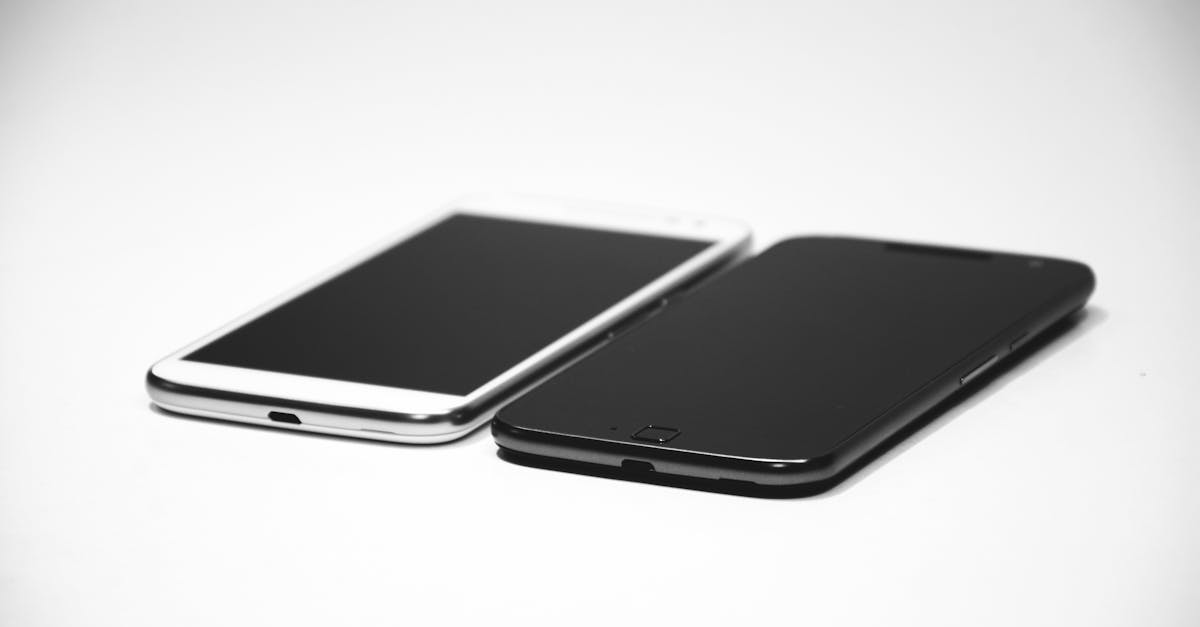
Photo by John Tekeridis on Pexels
The Evolution of Media Consumption
The way we consume media has undergone significant changes. From television to smartphones and the internet, technology has shaped our media experiences. In the late 90’s, tube televisions were phased out after nearly four decades of dominance. Over the next 10 years, we experienced three dramatic shifts in television hardware. Tube TVs became flat screens, which became HD flat screens, which have now become 4K and smart TVs.
The television industry’s shift towards interactive media began with the introduction of smart TVs. These devices allowed users to access streaming services and online content directly on their TVs. However, the rise of smartphones and mobile devices has further accelerated this trend. Today, users can access media content anywhere, anytime, and interact with it in various ways.
The Rise of Interactive Media
Advances in software have altered the way people approach and engage with media. Interaction between users and mediums used to be passive. You would turn on the TV and watch. You would sit down and read the newspaper. Today, technology has changed the way individuals interact with these mediums. We now expect interaction rather than passivity.
The internet has created a portal of endless media that is right at our fingertips, and content creators are flocking to the web. Social media platforms, streaming services, and online content providers have made it possible for users to access a vast library of content. This shift towards interactive media has significant implications for traditional media outlets.
The Impact on Traditional Media
Traditional TV and print media are struggling to adapt to these rapid shifts in the industry, which is why small start-ups have been able to become major players. The rise of streaming services, social media, and online content platforms has created new opportunities for content creators and advertisers. However, it has also created new challenges for traditional media outlets.
History of the Industry
The media industry has a long and complex history, dating back to the early days of print and broadcast media. The industry has undergone significant changes over the years, driven by tech advancements and changing user behavior. In the past, media consumption was dominated by traditional TV and print media. However, with the advent of the internet and mobile devices, the media landscape has undergone a significant transformation.
Industry Context
The media industry has undergone significant changes in recent years, driven by tech advancements and changing user behavior. The rise of streaming services, social media, and online content platforms has created new opportunities for content creators and advertisers. However, it has also created new challenges for traditional media outlets.
The global media market size was valued at $1.4 trillion in 2020 and is expected to grow at a compound annual growth rate (CAGR) of 4.5% from 2020 to 2027. The rise of digital media has been a significant driver of this growth, with digital media advertising expected to reach $517 billion by 2023. Major players in the industry, such as Netflix, Amazon Prime, and Disney+, have been at the forefront of this shift towards interactive media.
Technical Mechanics
The technical mechanics behind the shift in media consumption are complex. The rise of smartphones and mobile devices has enabled users to access media content anywhere, anytime. The development of streaming services and online content platforms has made it possible for users to access a vast library of content.
The use of artificial intelligence (AI) and machine learning (ML) has also played a significant role in the shift towards interactive media. These technologies have enabled content providers to personalize their content and improve user engagement. For instance, streaming services use AI-powered recommendation algorithms to suggest content to users based on their viewing history.
Downstream Implications
The shift towards interactive media has significant implications for content creators, advertisers, and traditional media outlets. Content creators must adapt to the changing media landscape and find new ways to engage with their audiences. Advertisers must also adapt to the changing media landscape and find new ways to reach their target audiences.
The deal offered by Mint Mobile, which sells the Google Pixel 10 for $299 with the first year of service, is a reflection of the changing media landscape. The smartphone market is becoming increasingly competitive, and companies must find new ways to attract customers.
What to Watch
As the media landscape continues to evolve, it’s essential to keep an eye on trends and technologies shaping the industry. The rise of streaming services, social media, and online content platforms will continue to change the way we consume media. Traditional media outlets must adapt to these changes and find new ways to engage with their audiences.
The ongoing shift towards interactive media is expected to have a significant impact on the advertising industry. With more users accessing media content online, advertisers will need to adapt their strategies to reach their target audiences effectively.
Broader Impact on Consumer Behavior
The shift towards interactive media is also having a broader impact on consumer behavior. With the rise of social media and online content platforms, users are becoming increasingly accustomed to accessing content on-demand. This trend is expected to continue, with more users cutting the cord and opting for streaming services over traditional TV.
Conclusion
The media landscape is transforming, driven by tech advancements and changing user behavior. Interactive experiences are replacing traditional passive media consumption. As the industry continues to evolve, it’s essential to keep an eye on trends and technologies shaping the industry.
The implications of this shift are far-reaching, and it will be interesting to see how the industry continues to adapt and evolve in the coming years.
Related Articles
Disney shuts Hulu app, cuts $1.5B costs
Disney plans to retire Hulu app, merge live TV with Fubo, and write down $1.5 billion in content costs.

PlayStation Plus Adds Xbox Game Spark Debate Over Cross-Platform
Sony's June lineup includes Xbox's Grounded, while Earthion and Crazy Time Live highlight gaming's shifting landscape
Apple's Streaming Push and the Rise of Bundles
Apple expands streaming ambitions as Comcast bundles challenge industry norms