

Apple's Streaming Push and the Rise of Bundles

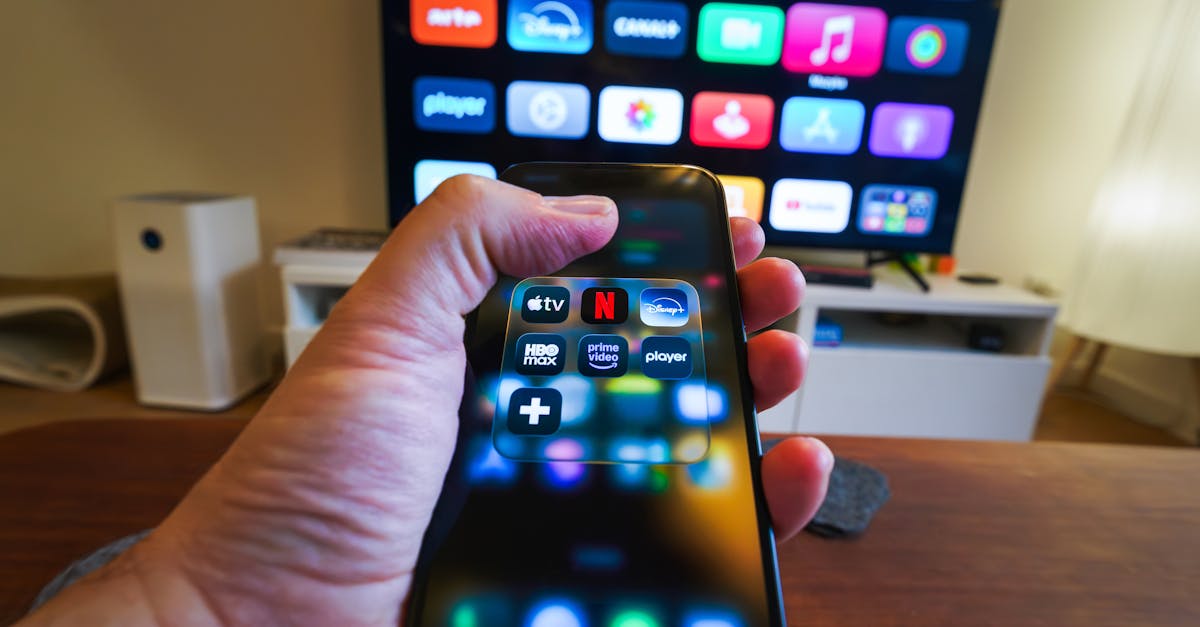
Photo by Jakub Zerdzicki on Pexels
Apple Reimagines TV Subscriptions Through Integration
Apple is positioning itself as a streaming distribution hub by integrating third-party services directly into its TV app. At a March event, the company announced plans to serve HBO, CBS, and other content providers within its software ecosystem, eliminating the need to bounce between apps. This move puts Apple in direct competition with Netflix and Amazon Prime Video while testing whether consumers want simplified access to fragmented streaming libraries.
The new model requires content partners to agree to embed their streams in Apple’s interface. HBO and CBS have signed on, but Hulu and Netflix have opted out. Apple’s approach contrasts with its earlier hardware-focused TV ambitions, which stalled due to stalled negotiations with content providers. Instead of building a physical set, the company is now betting on software to solve the “TV problem” Steve Jobs once claimed to have cracked.
Original Content Struggles and Strategic Shifts
Apple’s foray into original programming has been a mixed bag. Its first attempt, Planet of the Apps—a Shark Tank clone featuring celebrity judges—was widely panned and canceled after one season. A follow-up experiment, Carpool Karaoke: The Series, fared better, earning a Daytime Emmy but still struggling to justify Apple’s $1 billion annual content investment. The company finally moved these shows from the obscure Apple Music app to its preinstalled TV app, a critical step in making original content discoverable.
Today, Apple TV+ houses a growing library of prestige projects with name-brand creators. But success remains uncertain. The service competes against Netflix’s $20 billion annual investment in content and Disney’s bundling strategy. Apple’s hardware sales dominance doesn’t translate directly to streaming—users might own an iPhone, but they don’t all use Apple TV.
Comcast’s StreamSaver Bundle Disrupts Pricing
Comcast is launching StreamSaver, a discounted bundle combining Peacock, Netflix, and Apple TV+. Priced at a “vastly reduced” rate compared to standalone subscriptions, the offer requires existing Xfinity broadband or TV customers. This mirrors Disney and Warner Bros. Discovery’s upcoming Max/Disney+/Hulu bundle but takes a risk by including a direct competitor (Netflix) alongside Apple’s own service.
The bundle’s timing is strategic. Peacock plans to raise prices in July, making the StreamSaver deal more attractive to current Xfinity subscribers. Comcast CEO Brian Roberts framed the move as both a consumer benefit and a way to “take dollars out” of rival streaming companies. Critics argue that bundling could stifle competition by creating anticompetitive advantages for companies that control broadband infrastructure.
Industry-Wide Bundling and Antitrust Concerns
The streaming wars are evolving from price wars into packaging wars. Disney and Warner Bros. Discovery are launching their own bundles, while Fox, Disney, and WBD plan a sports bundle criticized as “anticompetitive.” These strategies aim to reduce subscriber churn by offering cost efficiencies that standalone services can’t match. However, regulators are scrutinizing whether bundling creates unfair advantages—particularly when companies control both broadband and streaming services.
Apple faces a unique challenge. Its software-centric approach avoids the hardware limitations that hindered its early TV ambitions, but it must convince partners to share revenue from a service that could cannibalize their own. The company’s ability to balance ecosystem growth with content acquisition costs will determine whether it becomes a streaming kingmaker or a secondary player in a crowded market.
What to Watch Next
Apple’s streaming strategy hinges on three factors: how quickly partners adopt its interface, whether original programming breaks through, and the pricing of its upcoming ad-supported tiers. Meanwhile, the success of Comcast’s StreamSaver bundle could pressure other broadband providers to create competing packages. Key dates to track include Peacock’s July price hike, Disney’s summer bundling launch, and regulatory responses to WBD’s sports bundle. The ultimate test will be if consumers view these packages as value-adds or just another form of cable in disguise.
Updates
- 2026-08-31 — How to add and remove cards from Apple Wallet (source)
Related Articles
Disney shuts Hulu app, cuts $1.5B costs
Disney plans to retire Hulu app, merge live TV with Fubo, and write down $1.5 billion in content costs.

Valve hikes Steam Deck, Square Enix renames Dragon Quest 12
Valve raises Steam Deck prices by up to $300, Square Enix restarts Dragon Quest XII, and Apple TV adds a new thriller.

The Shift in Media Consumption: From Passive to Interactive
The media landscape is transforming, driven by tech advancements and changing user behavior. Interactive experiences are replacing traditional passive media consumption.