

Asteroid Flyby

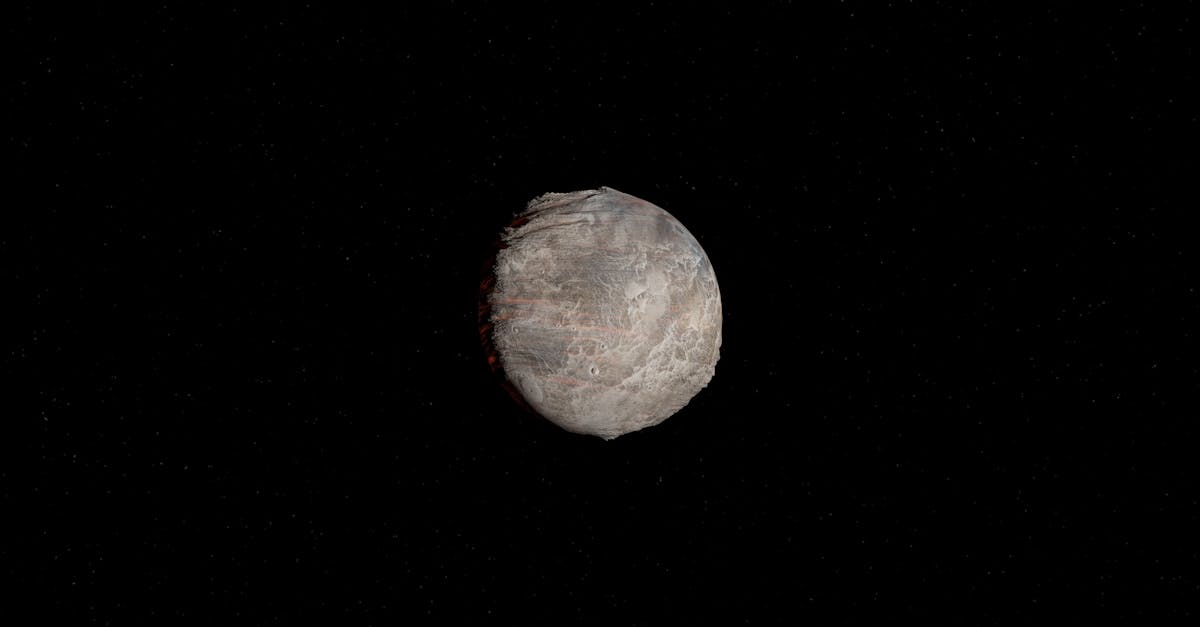
Photo by Zelch Csaba on Pexels
Introduction to Asteroid Apophis
Asteroid Apophis, a 1,100-foot-wide near-Earth asteroid, is set to fly by Earth in 2029. This event presents a rare opportunity for scientists to study the asteroid up close and gather valuable data on its composition and structure.
The asteroid’s close approach will allow scientists to observe it with both optical and radar telescopes, potentially revealing surface details as small as a few meters. This information is crucial for understanding the asteroid’s interior and developing effective plans for deflecting similar asteroids in the future.
The Significance of Asteroid Apophis
The Apophis asteroid is significant not only because of its size but also due to its proximity to Earth. On April 13, 2029, it will cruise harmlessly by our planet at a distance of about 19,000 miles, which is within the distance that some spacecraft orbit Earth.
The asteroid was discovered in 2004 by a team of astronomers at the Kitt Peak National Observatory. Initial orbital calculations revealed that it had a 2.7% chance of impacting Earth in 2029, but additional observations completely ruled out that possibility.
NASA’s Plans for Asteroid Apophis
NASA has been informally studying asteroids and comets for decades, but it did not focus on planetary defense until 2016, when the space agency established the Planetary Defense Coordination Office. Since then, NASA has made some progress in identifying near-Earth objects, with over 26,000 detected so far.
However, NASA’s plans for studying Asteroid Apophis during its flyby are unclear. The space agency has some options for tracking the asteroid, including a mission named OSIRIS-Apex, which could breathe new life into an old spacecraft. But this mission is slated for cancellation due to budget constraints.
The Importance of Planetary Defense
The asteroid Apophis serves as a reminder of the importance of planetary defense. While the asteroid poses no threat to Earth, its close approach highlights the need for continued research and development of technologies that can detect and deflect near-Earth objects.
In recent years, NASA has made progress in this area, including the launch of the DART mission, which demonstrated the ability to make a minor deflection of an asteroid. However, more work is needed to develop effective plans for deflecting larger asteroids like Apophis.
Industry Context and History
The study of asteroids and comets has a long history, dating back to the early days of astronomy. In recent years, there has been an increased focus on planetary defense, with NASA and other space agencies investing in research and development of technologies that can detect and deflect near-Earth objects.
The asteroid Apophis is just one example of the many near-Earth objects that have been discovered in recent years. Its close approach serves as a reminder of the importance of continued research and development in this area, and the need for international cooperation to address the threat posed by near-Earth asteroids.
Technical Mechanics of Asteroid Observation
The observation of asteroids like Apophis is a complex process that involves the use of advanced telescopes and spacecraft. The asteroid’s close approach will provide scientists with a rare opportunity to study its composition and structure in detail, using a range of techniques including radar and optical imaging.
The use of radar imaging, for example, will allow scientists to create detailed maps of the asteroid’s surface, revealing features as small as a few meters. This information will be crucial for understanding the asteroid’s interior and developing effective plans for deflecting similar asteroids in the future.
Downstream Implications of Asteroid Deflection
The ability to deflect asteroids like Apophis is critical for the long-term survival of human civilization. If an asteroid of this size were to impact Earth, it would cause massive destruction and loss of life, with the potential to wipe out entire cities and even countries.
The development of technologies that can detect and deflect near-Earth objects is therefore a high priority for space agencies and governments around the world. The asteroid Apophis serves as a reminder of the importance of continued research and development in this area, and the need for international cooperation to address the threat posed by near-Earth asteroids.
Conclusion
The asteroid Apophis is a significant near-Earth object that poses no threat to Earth but highlights the need for continued research and development of technologies that can detect and deflect near-Earth objects. Its close approach in 2029 provides a rare opportunity for scientists to study the asteroid up close and gather valuable data on its composition and structure.
Additional Context: Planetary Defense Efforts
Planetary defense efforts have gained significant attention in recent years, with NASA and other space agencies investing in research and development of technologies that can detect and deflect near-Earth objects. The asteroid Apophis serves as a reminder of the importance of continued research and development in this area, and the need for international cooperation to address the threat posed by near-Earth asteroids.
The DART mission, launched by NASA in 2021, demonstrated the ability to make a minor deflection of an asteroid. However, more work is needed to develop effective plans for deflecting larger asteroids like Apophis. The development of technologies that can detect and deflect near-Earth objects is therefore a high priority for space agencies and governments around the world.
Updates
- 2026-08-16 — The weekend is 100 years old (source)
- 2026-08-06 — Vision Pro is a niche product, but an incredibly valuable one in the right hands (source)
- 2026-07-28 — Apple Upgrade is a great deal on paper, but make sure you read the fine print (source)
- 2026-06-03 — You can make the hyper-violence in Marvel’s Wolverine more PG-13, if you want to (source)
Related Articles

NASA's Kepler Telescope Discovers New Solar System
NASA's Kepler telescope discovers a new solar system with eight planets, similar to our own solar system, using Google's machine learning technology.
NASA's Roman Space Telescope Set for August 30 Launch
NASA targets August 30 for launching the Nancy Grace Roman Space Telescope, with 100 times Hubble's field of view.