

AMD Expands FSR 4.1 to Older GPUs in 2027

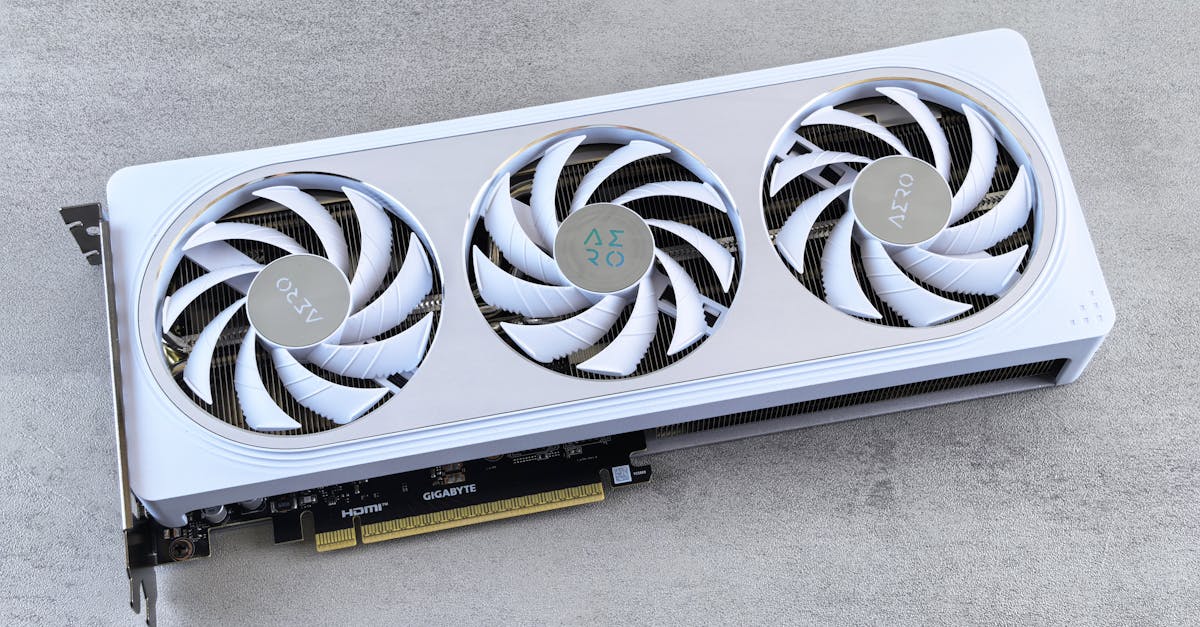
Photo by Andrey Matveev on Pexels
AMD’s FSR 4.1 upscaling tech will reach RDNA 2 graphics cards in early 2027, broadening access for gamers using older hardware. The update follows a July 2024 rollout to RDNA 3 GPUs, which already supports 300+ titles including Cyberpunk 2077 and Assassin’s Creed Shadows.
Jack Huynh, AMD’s head of computing and graphics, confirmed the timeline via X, stating RDNA 2 compatibility will let Steam Deck users and Radeon RX 6000-series owners access the tech. This expansion marks AMD’s third major FSR update since 2021, positioning it as a direct competitor to NVIDIA’s DLSS 3 upscaling stack.
Hardware Access vs. Market Realities
The RDNA 3 iteration of FSR 4.1 has already unlocked performance gains for RX 7000-series users, who can now render games at lower resolutions and upscale to 4K. But the 2027 RDNA 2 rollout could disrupt the used GPU market, where RX 6000-series cards remain popular. For $1,299, the new Alienware 15 laptop bundles AMD CPUs, but GPU buyers stuck with RDNA 2 hardware will finally gain access to modern upscaling without hardware upgrades.
This backward compatibility strategy mirrors NVIDIA’s DLSS 3 support for RTX 20-series GPUs. However, AMD’s open-source approach to FSR—unlike NVIDIA’s proprietary drivers—means developers can integrate the tech faster. Battlefield 6’s inclusion in the FSR 4.1 lineup proves this, as it shipped with the update just six weeks after launch.
Performance Gains and Developer Burden
FSR 4.1 promises a 20-40% performance boost over native 4K rendering, according to AMD’s benchmarks. But the tech relies on manual shader optimization, which requires developer cooperation. This contrasts with DLSS 3’s AI-driven upscaling, which requires NVIDIA’s Tensor Core hardware but reduces manual tuning.
The Steam Deck’s 2027 update will be a critical test case. Valve’s hybrid laptop already uses RDNA 3 architecture, but the FSR 4.1 port to RDNA 2 chips will force AMD engineers to balance power efficiency with upscaling fidelity. If the Deck sees a 30% performance lift in Cyberpunk 2077, it could pressure NVIDIA to open-source its DLSS tech.
Industry Reactions and Open-Source Tensions
AMD’s FSR roadmap has drawn mixed reactions from developers. Ubisoft, which bundles FSR 4.1 with Assassin’s Creed Shadows, praised the tech’s “predictable performance gains.” But indie developers have criticized the manual optimization process, which can delay FSR integration by weeks compared to NVIDIA’s automated pipeline.
The open-source nature of FSR also creates tension. While developers can tweak the code freely, this flexibility leads to inconsistent results—some Battlefield 6 players reported visual artifacts in FSR 4.1’s high-quality mode. NVIDIA’s closed ecosystem avoids this issue but limits third-party innovation.
What’s Next
AMD has 14 months to polish the RDNA 2 port. Watch for:
- Steam Deck benchmarks in early 2027 showing FSR 4.1’s performance impact
- Shader optimization tools to reduce developer workload
- A potential FSR 5 announcement at SIGGRAPH 2025
The 2027 rollout will test whether open-source upscaling can outcompete closed ecosystems. For now, the $1,299 Alienware 15’s AMD CPU bundle and FSR 4.1’s 2024 launch prove the tech is here to stay—even if it demands more from developers than marketing claims suggest.
Updates
- 2026-05-25 — In Defense of My Attachment to This Lululemon Duffel Bag (2026) (source)
Related Articles
Microsoft Restores Windows Security Patches for AMD CPUs
Microsoft resumes Windows updates on older AMD chips after fixing a block that risked bricking devices, citing Spectre and Meltdown mitigations.

Walmart's $248 Google TV, AMD's $549 GPU, iPhone LATAM Rise
Walmart launches $248 Onn Google TVs, AMD rolls out a $549 Radeon 9070 GRE, and Apple sees iPhone shipments up 8% in Latin America Q1 2026.

Googlebook challenges Apple’s retail play as Mac Studio prices
Google’s $899 AI‑native laptop and Apple’s store‑first philosophy clash amid rising component costs and AI‑driven hardware bets.