

Rossmann Hits Back at Bambu Lab

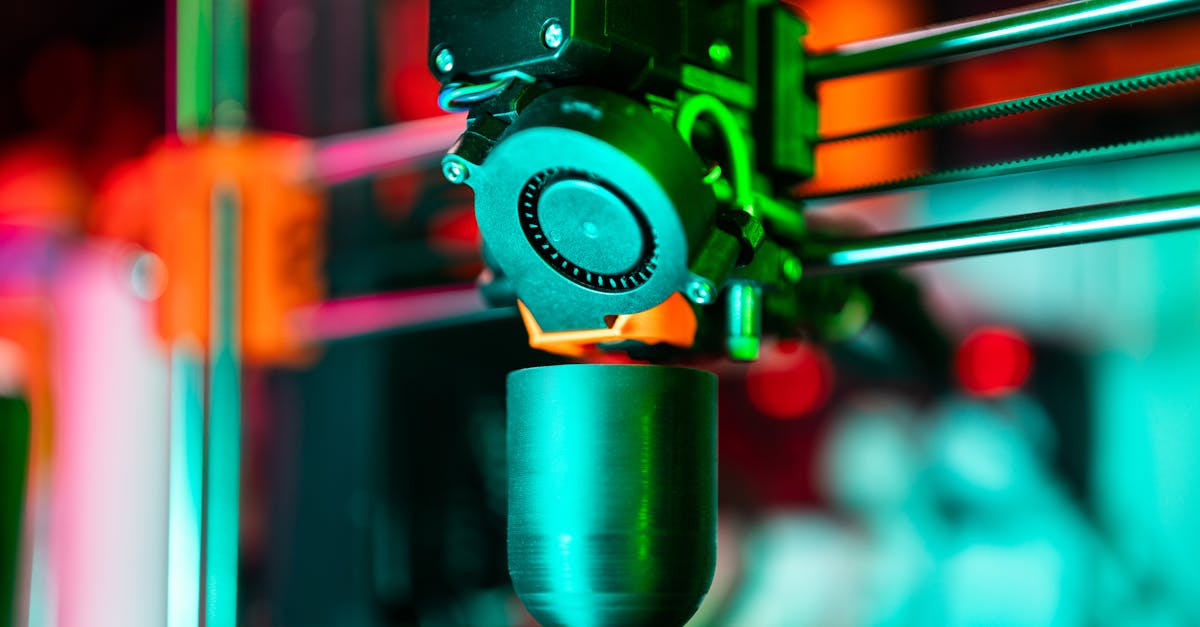
Photo by Jakub Zerdzicki on Pexels
Bambu Lab’s Lawsuit Sparks Backlash
Louis Rossmann, a prominent advocate for the right to repair, has publicly denounced 3D printer manufacturer Bambu Lab over its lawsuit against him. The dispute centers on Rossmann’s support for the developer of OrcaSlicer, an open-source software compatible with Bambu Lab’s printers. Rossmann’s strong words came in response to Bambu Lab’s legal action, which the repair advocate described as baseless and harassing. He offered to cover the legal fees of the OrcaSlicer developer, signaling his commitment to defending the open-source community.
The lawsuit has raised concerns within the 3D printing and open-source communities. Critics argue that such actions could stifle innovation and limit access to repair information. The specifics of the lawsuit are unclear, but it appears that Bambu Lab is seeking to protect its intellectual property. However, the company’s approach has been met with resistance from advocates like Rossmann, who see this as an attempt to restrict users’ rights to modify and repair their own equipment.
The Right to Repair Movement
The right to repair movement has gained significant momentum in recent years. This movement advocates for consumers’ and repair shops’ right to fix and modify their own products, rather than being forced to rely on the manufacturer for repairs. The movement has gained traction across various industries, including electronics, automotive, and agriculture. Advocates argue that this movement promotes sustainability, reduces electronic waste, and saves consumers money.
Industry Context and Precedent
This case reflects a broader struggle between companies seeking to control their products’ ecosystems and advocates pushing for greater transparency and repairability. Companies like Bambu Lab argue that protecting their intellectual property is essential to their business model and innovation. However, critics counter that this approach can lead to a lack of innovation and repair options for consumers.
The right to repair movement has already led to several notable cases and regulatory actions. For instance, several countries have implemented right to repair legislation, requiring manufacturers to provide repair information and compatible parts. In the United States, the Federal Trade Commission (FTC) has launched an investigation into manufacturers’ repair practices.
The 3D printing industry, in particular, has seen a rise in open-source hardware and software. This openness has led to a proliferation of community-driven projects and a strong sense of collaboration among enthusiasts. However, it also raises questions about intellectual property and the limits of user modification.
Technical Mechanics of 3D Printing and Open-Source Software
3D printing and open-source software have a symbiotic relationship. Open-source software like OrcaSlicer allows users to modify and customize their 3D printing experience. This software provides a level of flexibility and control that proprietary software does not. However, companies like Bambu Lab argue that this openness can lead to intellectual property infringement and undermine their business model.
The use of open-source software in 3D printing also raises questions about liability and responsibility. When users modify their software or hardware, who is responsible if something goes wrong? These questions highlight the complexities of the right to repair movement and the need for clear guidelines and regulations.
History of Right to Repair
The right to repair movement has its roots in the early 2000s, when repair shops and consumers began pushing back against manufacturers’ restrictive repair policies. Since then, the movement has gained momentum, with several high-profile cases and regulatory actions.
One notable example is the case of John Deere, which has faced criticism for its restrictive repair policies. The company has argued that its intellectual property is at risk, but critics counter that this approach limits repair options for consumers.
Downstream Implications
The outcome of this lawsuit could set a significant precedent for the industry, influencing how companies approach intellectual property and user freedoms. If Bambu Lab succeeds in its lawsuit, it could embolden other companies to take similar legal actions against advocates and developers. On the other hand, if Rossmann and the OrcaSlicer developer prevail, it could galvanize support for more open and repairable products.
The tech community is watching closely as this situation unfolds. What to watch: the court’s decision on Bambu Lab’s lawsuit and how it might impact the broader right to repair movement. Will this case embolden other companies to take similar legal actions, or will it galvanize support for more open and repairable products?
What’s Next
The right to repair movement is likely to continue gaining momentum. As consumers and advocates push for greater transparency and repairability, companies will be forced to adapt. The outcome of this lawsuit will be a crucial factor in shaping the future of the movement. One thing is certain: the stakes are high, and the consequences of this case will be far-reaching.
The intersection of intellectual property, user freedoms, and sustainability will continue to be a contentious issue. As the tech industry evolves, it is essential to consider the implications of our actions. The right to repair movement offers a vision of a more sustainable and equitable future, where consumers have control over their products and the ability to repair and modify them as needed.
In the coming months, we can expect to see further developments in this case. Will Bambu Lab’s lawsuit succeed, or will Rossmann and the OrcaSlicer developer prevail? The answer will have significant implications for the tech industry and the future of the right to repair movement.
As the movement continues to gain momentum, we can expect to see more companies and advocates taking a stance on the issue. The right to repair is not just about intellectual property; it’s about sustainability, consumer rights, and the future of the tech industry.
Updates
- 2026-08-18 — Detroit startup Grounded raises $5M to customize electric and gas-powered vans (source)
Related Articles

LuneForge Simplifies 3D-Printable Luneburg Lenses for RF
LuneForge simplifies creation of precise Luneburg lenses for RF applications, making lens design more accessible.
California Exempts Linux
California moves to exempt Linux from its age-verification law after backlash, with a proposed amendment by the same lawmaker who wrote the original law.

Supply chain attacks surge with TeamPCP's GitHub injection
TeamPCP's supply-chain assaults and a hijacked clothing-brand site signal a widening threat surface for developers.