

LuneForge Simplifies 3D-Printable Luneburg Lenses for RF


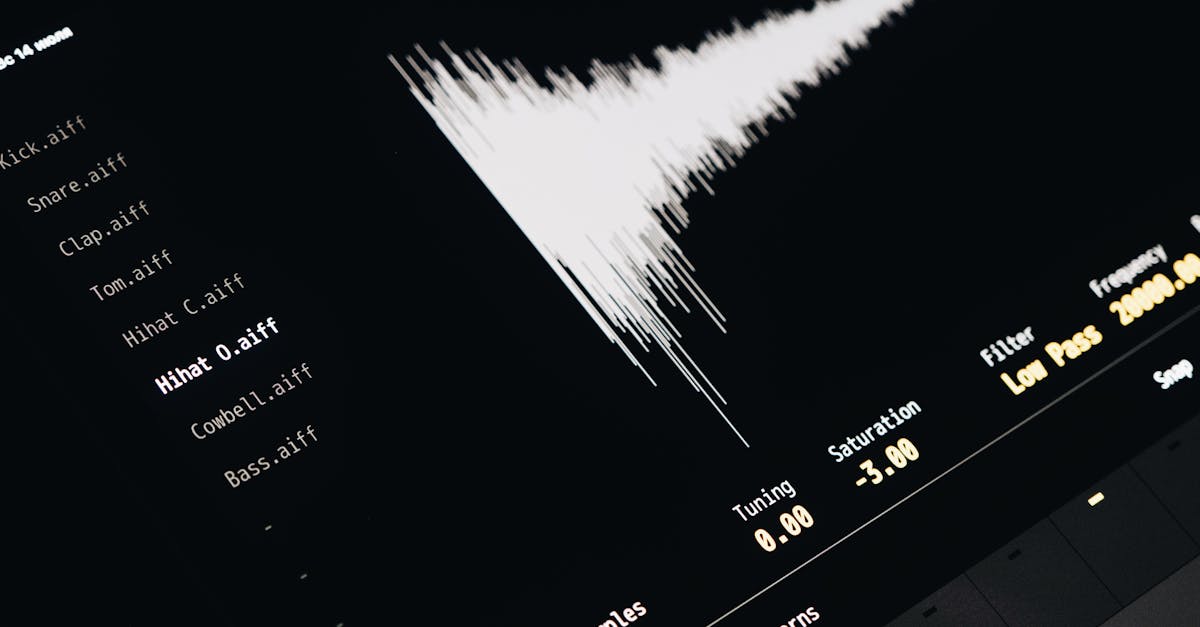
Photo by David Guerrero on Pexels
LuneForge for Luneburg Lens Design
LuneForge is an open-source tool for designing 3D-printable Luneburg lenses for radio frequency (RF) applications. The software, optimized for SLA 3D printing, targets RF engineers, hobbyists, and researchers. LuneForge provides user-friendly features and customizable parameters, making it easier for users to create precise lens models.
Challenges in Luneburg Lens Design
Traditionally, designing Luneburg lenses required specialized expertise and complex simulations. This complexity often limited the accessibility of Luneburg lens design to those with extensive experience in RF engineering and simulation tools. LuneForge changes this by providing an accessible platform for creating precise lens models, thereby democratizing access to advanced RF lens design.
Technical Mechanics of LuneForge
LuneForge’s design is based on the principles of Luneburg lenses, which are gradient-index lenses that can focus microwave beams. The software allows users to input specific parameters, such as the lens’s diameter, focal length, and operating frequency, to generate a precise design for 3D printing. By optimizing the design for SLA 3D printing, LuneForge enables users to create high-quality lenses with complex geometries.
Community Involvement and Development
As an open-source project, LuneForge fosters community involvement, allowing for collaborative development and improvement. The tool is a work in progress, with potential for community contributions. Users can access and contribute to the tool via its repository location. This collaborative approach can accelerate the development of LuneForge, leading to more advanced features and improved performance. For instance, community members can contribute to testing and validation, ensuring the software’s accuracy and reliability.
Industry Context and Future Directions
The development of LuneForge aligns with the growing importance of RF technology across sectors, including telecommunications, radar systems, and wireless power transfer. The tool’s impact will depend on its adoption in commercial and research projects. As RF technology continues to evolve, the demand for advanced lens designs will increase, making LuneForge a valuable resource for RF engineers and researchers. LuneForge is licensed under a specific license, and its development community is expected to drive its future growth.
History of Luneburg Lenses
Luneburg lenses have been used in various RF applications for several decades. The lenses were first proposed by Rudolf Luneburg in the 1940s and have since been used in a range of applications, including microwave antennas and radar systems. The development of LuneForge represents a significant advancement in the design and fabrication of Luneburg lenses, making them more accessible to a wider range of users.
Downstream Implications
The availability of LuneForge can have significant downstream implications for RF engineers, researchers, and hobbyists. By simplifying the design process for Luneburg lenses, LuneForge can enable more widespread adoption of RF technology. This, in turn, can lead to innovations in areas such as wireless communication systems, radar technology, and medical applications. As the RF industry continues to grow, tools like LuneForge will play a crucial role in shaping its future.
Broader Industry Context
The RF industry is experiencing rapid growth, driven by increasing demand for wireless communication systems, radar technology, and other applications. According to industry reports, the global RF market is expected to reach $25 billion by 2025, growing at a CAGR of 10%. LuneForge’s open-source approach can accelerate this growth by making advanced lens designs more accessible to a wider range of users.
Conclusion
In conclusion, LuneForge is a significant development in the field of RF lens design. By providing an accessible platform for creating precise Luneburg lens models, LuneForge can enable more widespread adoption of RF technology. As the RF industry continues to grow, tools like LuneForge will play a crucial role in shaping its future.
Future Developments
Future developments of LuneForge may include the integration of machine learning algorithms to optimize lens design, as well as the development of new materials and fabrication techniques. These advancements can further improve the performance and accessibility of Luneburg lenses, enabling new applications and innovations in the RF industry.
Updates
- 2026-08-27 — Plaud made earbuds for people who want to record every meeting and call (source)
- 2026-08-16 — Amazon is trying to crush class-action suits before they get started (source)
- 2026-08-07 — Security researchers scanned the Polish web and found courts, hospitals, and airports at risk of hacks (source)
- 2026-07-31 — 6 Best Phones With Headphone Jacks (2026), Tested and Reviewed (source)
Related Articles

California Exempts Linux
California moves to exempt Linux from its age-verification law after backlash, with a proposed amendment by the same lawmaker who wrote the original law.

Supply chain attacks surge with TeamPCP's GitHub injection
TeamPCP's supply-chain assaults and a hijacked clothing-brand site signal a widening threat surface for developers.
Indie Hits, Open-Source AI Plugins Redefine Music Tech
From GarageBand hits to AI-powered DAW tools, independent creators are reshaping music production and consumption.