

Tech Layoffs, AI Chip Hoarding, and the Future of Work

Layoffs and Re-hires: A New Trend in Tech
The tech industry has been experiencing a significant number of layoffs in recent months, with many companies cutting costs and re-hiring employees at lower salaries. This trend has been observed by career coach Mandy, who shared her insights on TikTok, sparking a conversation about the realities of the job market.
According to Mandy, companies are reposting jobs at significantly lower salaries following layoffs, effectively resetting the salary base to a much lower threshold. This practice has been confirmed by recruiters and workers, who have shared their experiences of being laid off and then re-hired at lower pay. For instance, some Oracle workers who were laid off found out they didn’t qualify for WARN Act protections, such as two-months notice, because the company had classified them as remote workers.
AI Chip Hoarding: A Growing Concern
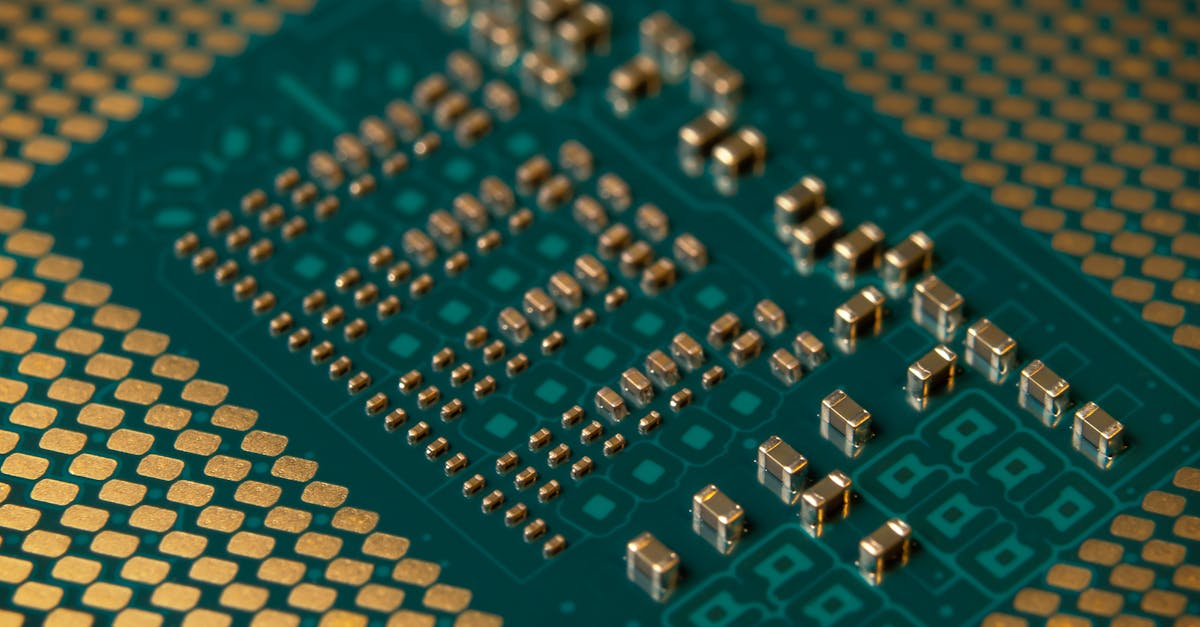
The demand for AI chips, particularly Nvidia’s H100 GPUs, has been increasing exponentially, with many tech companies hoarding these chips for their AI training infrastructure. Meta, for example, has announced that it aims to have a stash of 350,000 H100s in its AI training infrastructure, which adds up to over $10 billion worth of the specialized Nvidia chips.
Other companies, including Tesla, OpenAI, and venture capital firm Andreessen Horowitz, have also been collecting H100s, with some reportedly renting them out to AI startups in exchange for equity. The high demand for these chips has led to a shortage, with some people being paid to sneak them into China to bypass US export controls. Each Nvidia H100 can cost up to $40,000, making them a significant investment for companies looking to expand their AI capabilities.
The Future of Work: What to Watch
The tech industry is undergoing significant changes, from the rise of AI and automation to the shifting dynamics of the job market. As companies continue to adapt to these changes, it’s essential to watch how they respond to the challenges and opportunities presented by emerging technologies.
In the coming months, we can expect to see more companies investing in AI and automation, potentially leading to further layoffs and re-hires. We can also expect to see a growing demand for skilled workers in the tech industry, particularly in areas such as AI development and deployment. The increasing demand for AI chips is likely to drive innovation in the field, but it also raises concerns about the environmental impact of large-scale AI training.
Industry Context: A History of Disruption
The tech industry has a long history of disruption, from the rise of the internet to the emergence of mobile devices. As the industry continues to evolve, it’s essential to understand the context in which these changes are taking place.
The current trend of layoffs and re-hires is not new, with many companies having gone through similar cycles in the past. However, the increasing demand for AI chips and the growing importance of automation in the tech industry are new developments that are likely to have a significant impact on the future of work. Companies like Intel are working to regain their footing in the industry, with Intel’s stock rising a stunning 490% over the past year.
Technical Mechanics: What Drives AI Chip Demand
The demand for AI chips is driven by the need for high-performance computing in AI training and deployment. AI models like Meta’s Llama 3.1, which has 405 billion parameters, require significant computational resources to train and deploy. The use of Nvidia’s H100 GPUs in training large language models is a testament to the importance of these chips in driving AI innovation.
The high demand for AI chips has led to a shortage, with companies like Meta and OpenAI competing for limited supplies. This shortage is likely to drive innovation in the field, as companies look for ways to optimize their AI training and deployment processes.
Downstream Implications: Who Benefits and Who is Squeezed
The increasing demand for AI chips and the growing importance of automation in the tech industry are likely to have significant downstream implications. Companies that are able to secure supplies of AI chips and invest in automation are likely to benefit from increased efficiency and productivity.
However, companies that are unable to adapt to these changes may be squeezed out of the market. The trend of layoffs and re-hires is likely to continue, as companies look to cut costs and increase efficiency. Workers who are able to develop skills in areas like AI development and deployment are likely to be in high demand, but those who are not able to adapt may struggle to find employment.
What’s Next
As the tech industry continues to evolve, it’s essential to stay informed about the latest developments and trends. In the coming months, we can expect to see more companies investing in AI and automation, potentially leading to further layoffs and re-hires.
We can also expect to see a growing demand for skilled workers in the tech industry, particularly in areas such as AI development and deployment. The next significant decision to watch is how Nvidia responds to the growing demand for its H100 GPUs. Will the company be able to meet the demand, and what implications will this have for the tech industry as a whole?
The tech industry is likely to continue to experience significant changes, driven by the increasing demand for AI chips and the growing importance of automation. As companies adapt to these changes, it’s essential to watch how they respond to the challenges and opportunities presented by emerging technologies.
Related Articles

Googlebook challenges Apple’s retail play as Mac Studio prices
Google’s $899 AI‑native laptop and Apple’s store‑first philosophy clash amid rising component costs and AI‑driven hardware bets.

Xiaomi MiMo 2.6, Grok 4.7, and a Wave of Mid‑Month Tech Setbacks
A roundup of Xiaomi's MiMo 2.6 launch, x.ai's Grok 4.7 update, NASA's Mars Sample Return cancellation, and other mid‑September tech headlines.

Apple's rapid RC rollout pressures macOS developers
Apple released second release candidates for macOS Tahoe and Sequoia, while beta streams for Golden Gate and iOS 27.2 accelerate, sparking developer strain and highlighting ecosystem frictions.