

Nintendo Switch 2 Price Hike

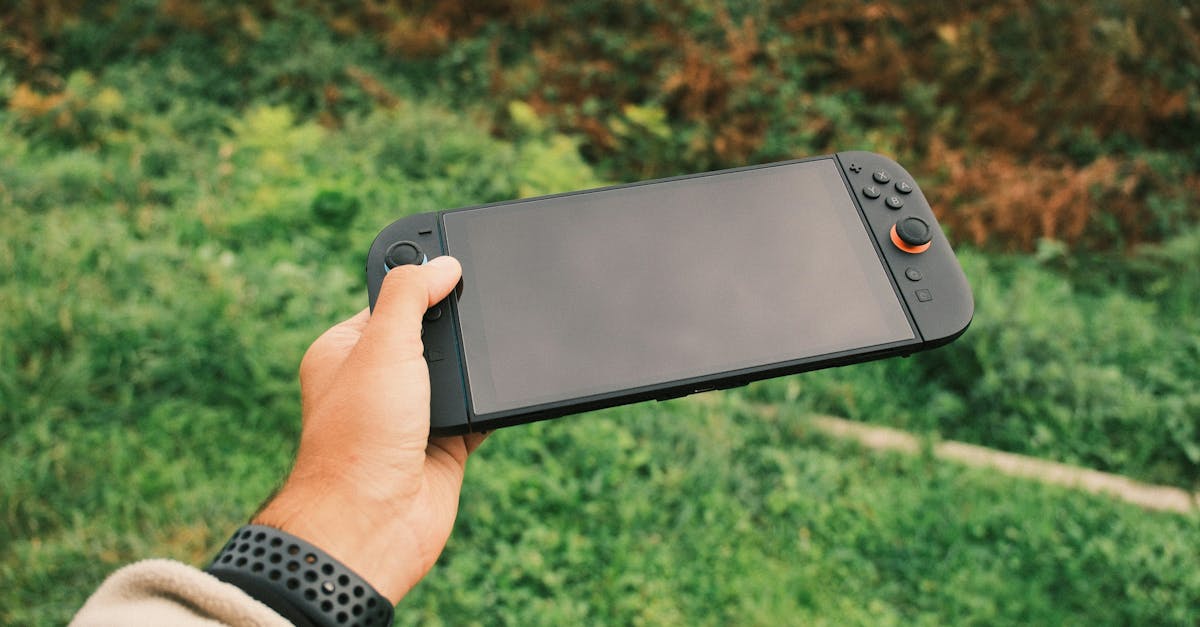
Photo by Daniel J. Schwarz on Pexels
Nintendo Switch 2 Prices to Rise
Nintendo has raised the prices of its Switch 2 console, citing the ongoing chip crisis as a major factor. The company sold 19.86 million Switch 2 units last year. This move marks a significant shift in Nintendo’s pricing strategy, which has been relatively stable in the past. The price increase is a direct result of the higher production costs due to the chip crisis.
Sales Figures and Forecasts
The 19.86 million units sold last year is a notable achievement for Nintendo, especially considering the competitive gaming console market. However, the company forecasts a drop in sales next year, which may be attributed to the price hike and the overall market conditions. To put this into perspective, Nintendo’s sales have been steadily increasing over the years, but the forecasted drop in sales next year may indicate a saturation point in the market. Historically, Nintendo has seen significant sales growth during the holiday season, but this trend may be affected by the price hike.
Impact of Chip Crisis
The global chip crisis has led to increased production costs, which Nintendo is passing on to consumers. This price hike impacts the sales of the Switch 2, as consumers may be deterred by the higher price point. The chip crisis has been affecting various industries, including the tech and automotive sectors. For Nintendo, the crisis has resulted in increased costs, which the company has decided to pass on to consumers. The company is working to mitigate the effects of the chip crisis, but the current situation has forced them to adjust their pricing strategy.
Industry Context and Market Implications
The gaming console market is highly competitive, with major players like Sony and Microsoft. Nintendo’s decision to raise prices gives its competitors an edge, as they may be able to attract price-sensitive consumers. The market size of the gaming console industry is substantial, with millions of units sold worldwide each year. According to industry reports, the market is expected to continue growing, albeit at a slower rate. The price hike may also lead to a shift in market share, as consumers consider alternative options.
Technical Mechanics of the Price Hike
The price hike is a direct result of the increased production costs due to the chip crisis. The chip crisis has led to a shortage of essential components, resulting in higher costs for manufacturers. Nintendo has decided to pass on these costs to consumers, resulting in a price hike for the Switch 2. This decision may have been made to maintain profit margins or to ensure the sustainability of the business. The company is exploring alternative suppliers and manufacturing processes to reduce costs, but these efforts may take time to materialize.
Downstream Implications
The price hike may have various downstream implications, including a potential decrease in sales. Consumers may be deterred by the higher price point, which could result in a decrease in sales for Nintendo. On the other hand, the price hike may also result in increased revenue for Nintendo, as the company may be able to maintain its profit margins despite the higher costs. The company’s competitors may also be affected, as they may need to adjust their pricing strategies in response to Nintendo’s move. The price hike may also impact Nintendo’s relationships with retailers and distributors, who may need to adjust their inventory and pricing strategies.
History of Nintendo’s Pricing Strategy
Nintendo has historically been known for its stable pricing strategy, with minimal changes to the prices of its consoles over the years. However, the chip crisis has forced the company to reevaluate its pricing strategy, resulting in a price hike for the Switch 2. This move may indicate a shift in Nintendo’s approach to pricing, as the company may need to be more flexible in response to market conditions. In the past, Nintendo has been able to maintain its pricing strategy due to its strong brand loyalty and market position.
Broader Industry Context
The gaming console market is part of a larger industry that includes game developers, publishers, and distributors. The chip crisis has affected not only Nintendo but also other companies in the industry. The shortage of essential components has led to delays in game development and publication, which may impact the overall industry growth. The industry is also seeing a shift towards digital distribution, which may change the way games are sold and marketed.
Conclusion
Nintendo’s price hike is a response to the chip crisis, which has resulted in increased production costs. The company’s sales performance and ability to navigate the competitive market will determine its future. As the gaming console market continues to evolve, Nintendo’s decision to raise prices may have significant implications for the industry as a whole. The company must balance its pricing strategy with the need to maintain profit margins and competitiveness in the market.
Future Outlook
The future of the gaming console market is uncertain, with many factors affecting the industry. The chip crisis is expected to continue, and its impact on the industry will be closely watched. Nintendo’s decision to raise prices may be a short-term solution, but the company must consider long-term implications and adjust its strategy accordingly. The industry is also seeing a shift towards new technologies, such as cloud gaming and virtual reality, which may change the way games are developed and marketed.
Updates
- 2026-07-28 — AI’s finally expensive enough to make Wall Street nervous (source)
Related Articles

Apple's Indie Push Puts Small Studios Front-Center
Apple adds a permanent Indie Game Showcase to the App Store, while Supermash, a genre-bending indie title, lands on Switch.

Googlebook challenges Apple’s retail play as Mac Studio prices
Google’s $899 AI‑native laptop and Apple’s store‑first philosophy clash amid rising component costs and AI‑driven hardware bets.
Xiaomi MiMo 2.6, Grok 4.7, and a Wave of Mid‑Month Tech Setbacks
A roundup of Xiaomi's MiMo 2.6 launch, x.ai's Grok 4.7 update, NASA's Mars Sample Return cancellation, and other mid‑September tech headlines.