

Brazil's Pix faces pressure from Visa, Mastercard

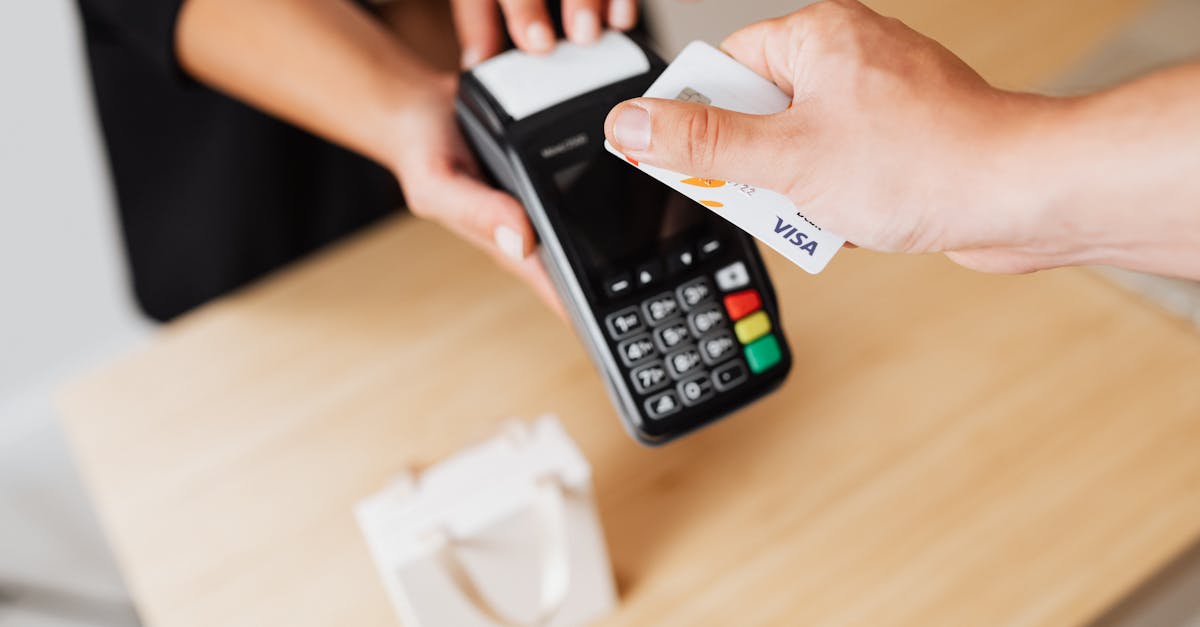
Photo by www.kaboompics.com on Pexels
The Challenge to Pix
Brazil’s Pix payment system, launched in 2020, has gained significant traction, processing over 2 billion transactions in 2022. However, the system now faces pressure from global payment giants Visa and Mastercard. These companies are pushing their own payment solutions, which may alter the competitive landscape.
In recent years, Pix has become a popular payment method in Brazil, with over 100 million users. The system’s success can be attributed to its ease of use, low transaction fees, and wide acceptance across various merchants. However, Visa and Mastercard are now actively promoting their own payment solutions, which may appeal to users and merchants.
Visa and Mastercard’s Strategies
Visa and Mastercard are leveraging their global presence and resources to challenge Pix’s dominance. They are offering competitive transaction fees, improved security features, and enhanced user experiences. For instance, Visa has launched its own payment solution, Visa Direct, which enables fast and secure transactions. Similarly, Mastercard has introduced its Payment Gateway, which allows merchants to accept various payment methods.
The competition from Visa and Mastercard may force Pix to innovate and improve its services. However, it also raises concerns about the potential impact on the Brazilian payments market. If Visa and Mastercard’s solutions gain traction, it could lead to a more fragmented market, with multiple payment systems competing for users’ attention.
Industry Context
The Brazilian payments market has undergone significant changes in recent years, driven by the growth of digital payments. The Central Bank of Brazil has been actively promoting the adoption of digital payment systems, including Pix. The bank’s efforts have led to a significant increase in digital transactions, with Pix being a major contributor.
However, the entry of global payment giants like Visa and Mastercard may alter the competitive dynamics. These companies have extensive experience in operating in multiple markets and have the resources to invest in marketing and promotion. Their presence may lead to increased competition, which could benefit users but also pose challenges for local players like Pix.
A Brief History of Pix
Pix was launched in 2020 by the Central Bank of Brazil as a fast and secure payment system. The system was designed to enable instant transactions between users and merchants, eliminating the need for traditional payment methods. Since its launch, Pix has gained significant traction, processing over 2 billion transactions in 2022.
Visa and Mastercard’s Regulatory History
Visa and Mastercard have a long history of operating in the Brazilian market. In 2012, the Brazilian government passed a law requiring payment networks to provide their own acquiring services, allowing merchants to accept various payment methods. Visa and Mastercard have since invested heavily in the Brazilian market, acquiring several local payment companies.
The Technical Mechanics of Pix
Pix’s success can be attributed to its technical architecture, which enables fast and secure transactions. The system uses a unique identifier, known as a ‘key,’ to facilitate transactions between users and merchants. This approach eliminates the need for traditional payment methods like bank account numbers and credit card details.
The system’s technical mechanics have been designed to ensure high availability and scalability. Pix’s infrastructure is built to handle a large volume of transactions, making it an attractive option for users and merchants. However, the entry of Visa and Mastercard may force Pix to further enhance its technical capabilities to remain competitive.
Downstream Implications
The competition between Pix and global payment giants like Visa and Mastercard is expected to intensify in the coming months. The Central Bank of Brazil will likely closely monitor the situation, ensuring that the market remains competitive and innovative. Users and merchants will benefit from the increased competition, but the long-term impact on the Brazilian payments market remains to be seen.
The key decision to watch is how Pix responds to the challenge from Visa and Mastercard. Will it innovate and improve its services, or will it struggle to maintain its market share? The next few months will provide crucial insights into the future of the Brazilian payments market.
Updates
- 2026-09-10 — Artemis II commander and pilot become NASA’s first astronaut emeriti (source)
- 2026-08-08 — The Excellent HP OmniBook 5 Is $550 Off Its Retail Price Today (source)
- 2026-08-01 — Astronomers Have Detected an Exomoon for the First Time (source)
- 2026-07-29 — Qualcomm is raising phone chip prices starting September 1st (source)
Related Articles
ExpressVPN discounts, Amazon price hikes, X Money
A hard look at ExpressVPN’s deep coupons, Amazon’s holiday price spikes, X’s payout shift, Google’s geothermal power purchase, and Jio’s ultra‑cheap AI‑ready PCs.
Apple's leadership shuffle reshapes pay, Apple Pay future
Apple unveils a $58 million CEO package, Tim Cook shifts to chairman, and the Pay and Wallet chief exits, signaling a generational turnover.
Smartphone 2027: Privacy, Design, and Geopolitics Collide
New releases from Motorola, Apple, Xiaomi, Unplugged and even North Korea reshape privacy, hardware, and market dynamics for the next wave of phones.