

Apple Faces Mac Supply Constraints Amid AI Demand

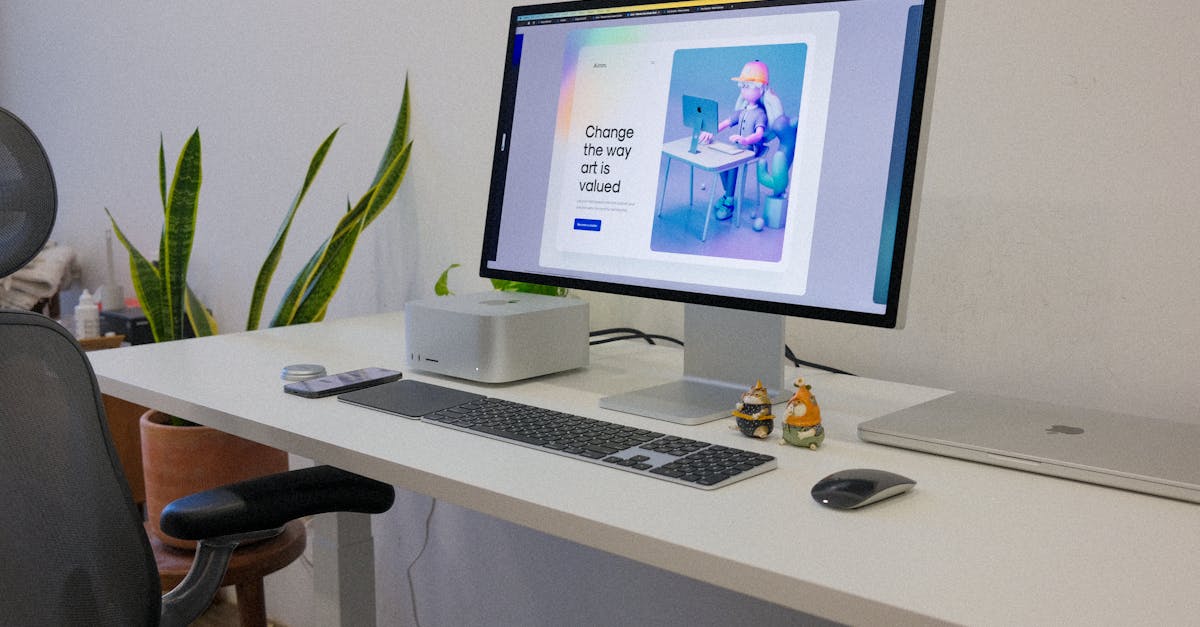
Photo by Tranmautritam on Pexels
AI-Driven Demand Constrains Mac Supply
Apple will be supply-constrained on Mac mini, Studio, and Neo in the next quarter due to unexpected demand driven in part by artificial intelligence applications. The demand surge affects multiple products, suggesting a significant shortfall. Apple’s hardware business benefits from the increased demand. This surge in demand is a notable shift, as Apple’s Mac sales have historically been driven by traditional factors such as consumer upgrades and enterprise adoption.
The AI-driven demand is not limited to a specific region or industry. Companies across various sectors, from finance to healthcare, are leveraging AI to drive innovation and efficiency. This trend is expected to continue, with AI applications becoming increasingly ubiquitous. As a result, Apple’s Mac products, known for their high-performance capabilities, are in high demand.
Tariff Refunds and U.S. Investment
Apple seeks refunds for duties paid under tariffs announced by former President Donald Trump, recently ruled unconstitutional by the Supreme Court. CEO Tim Cook plans to reinvest the refunded money in U.S. manufacturing. The Supreme Court’s ruling allows Apple to recover costs and redirect funds towards its U.S. operations. This move is expected to have a positive impact on Apple’s domestic manufacturing capabilities, potentially leading to increased production and job creation.
The tariff refunds are a significant development for Apple, as the company has been impacted by the tariffs imposed by the previous administration. The refunds will provide Apple with additional resources to invest in its U.S. operations, which could lead to increased innovation and growth.
Industry Context and Competitive Landscape
The AI-driven demand for Macs is not an isolated phenomenon, but rather part of a broader trend in the tech industry. Companies such as Google, Amazon, and Microsoft are also investing heavily in AI research and development, driving demand for high-performance computing hardware. Apple’s competitors, such as Dell and HP, are also experiencing increased demand for their products, but Apple’s unique position in the market and its focus on high-end hardware give it a competitive edge.
The global AI market is expected to continue growing, with estimates suggesting that it will reach $190 billion by 2025. This growth will drive demand for high-performance computing hardware, including Apple’s Mac products. As a result, Apple is well-positioned to benefit from the trend, with its high-end hardware and strong brand reputation.
Technical Mechanics and Design Choices
The Mac mini, Studio, and Neo are all high-performance machines designed to handle demanding tasks such as AI model training and data analysis. The Mac mini, in particular, has been popular among developers and data scientists due to its compact size and powerful specs. The Studio and Neo, on the other hand, offer more advanced features such as improved graphics processing and increased storage capacity. Apple’s design choices, such as the use of high-performance processors and advanced cooling systems, have enabled the company to create machines that can handle the demands of AI applications.
The technical specifications of Apple’s Mac products are a key factor in their popularity among AI developers and users. The Mac mini, for example, features a powerful processor and high-performance graphics processing unit (GPU), making it well-suited for demanding tasks such as AI model training. The Studio and Neo, on the other hand, offer even more advanced features, such as improved graphics processing and increased storage capacity.
Future Outlook and Guidance
Apple provided June quarter guidance, expecting 14% to 17% revenue growth amid a memory shortage. Incoming CEO John Ternus joined Apple’s Q2 2026 earnings call, discussing the company’s roadmap. Apple’s ability to meet Mac demand and reinvest tariff refunds in U.S. manufacturing will be closely watched. The next product launch or earnings report will provide insight into Apple’s strategy and prospects.
As Apple looks to the future, it will need to balance its supply chain constraints with the growing demand for its products. The company will also need to navigate the complexities of the global tech industry, including the ongoing memory shortage and the impact of tariffs on its operations.
Downstream Implications and Decision Points
The supply constraints and tariff refunds will have downstream implications for Apple’s partners and suppliers. The company’s decision to reinvest in U.S. manufacturing will likely lead to increased demand for components and materials, potentially benefiting domestic suppliers. However, the supply constraints may also lead to delays and increased costs for Apple’s customers, which could impact the company’s reputation and customer satisfaction.
As Apple navigates these challenges, it will need to make strategic decisions about its supply chain and manufacturing operations. The company will need to balance its short-term needs with its long-term goals, including its commitment to innovation and customer satisfaction.
History of AI-Driven Demand
The AI-driven demand for Macs is not a new phenomenon. In recent years, Apple has seen increased demand for its Mac products from AI developers and users. The company has responded by investing in its Mac lineup, including the introduction of new products such as the Mac mini and Studio.
The history of AI-driven demand for Macs is an important context for understanding the current trend. By examining the past, Apple can better anticipate and respond to the needs of its customers, and make strategic decisions about its product lineup and manufacturing operations.
Broader Industry Trends
The AI-driven demand for Macs is part of a broader trend in the tech industry. Companies across various sectors are investing heavily in AI research and development, driving demand for high-performance computing hardware. This trend is expected to continue, with AI applications becoming increasingly ubiquitous.
The broader industry trends are an important context for understanding the AI-driven demand for Macs. By examining the trends and their implications, Apple can better anticipate and respond to the needs of its customers, and make strategic decisions about its product lineup and manufacturing operations.
Updates
- 2026-09-12 — Apple @ Work: The three prongs of software updates in the AI era (source)
- 2026-07-29 — Qualcomm says supply constraints are shrinking its Apple business faster than expected (source)
- 2026-07-28 — Apple launches ‘Upgrade’ program to lease new devices (source)
- 2026-05-28 — YouTube is making its app better for podcast playback, but only for Premium users (source)
- 2026-05-19 — Apple @ Work Podcast: How NeXT built the foundation for Apple in the enterprise (source)
- 2026-05-18 — PlayStation exclusives aren’t coming to PC anymore (source)
Related Articles
ChatGPT Arrives on Linux
OpenAI launches Linux app, Onit emerges with Mac-focused solution
Apple makes a change to its AI team and plans Siri upgrades
Apple makes executive change to boost AI efforts, Siri functionality to get major overhaul

Apple's Siri Overhaul and White House AI Shake-up
Apple revamps Siri and Apple Intelligence at WWDC 2026 as a key White House AI advisor departs and indie tools emerge.