

ChatGPT Arrives on Linux

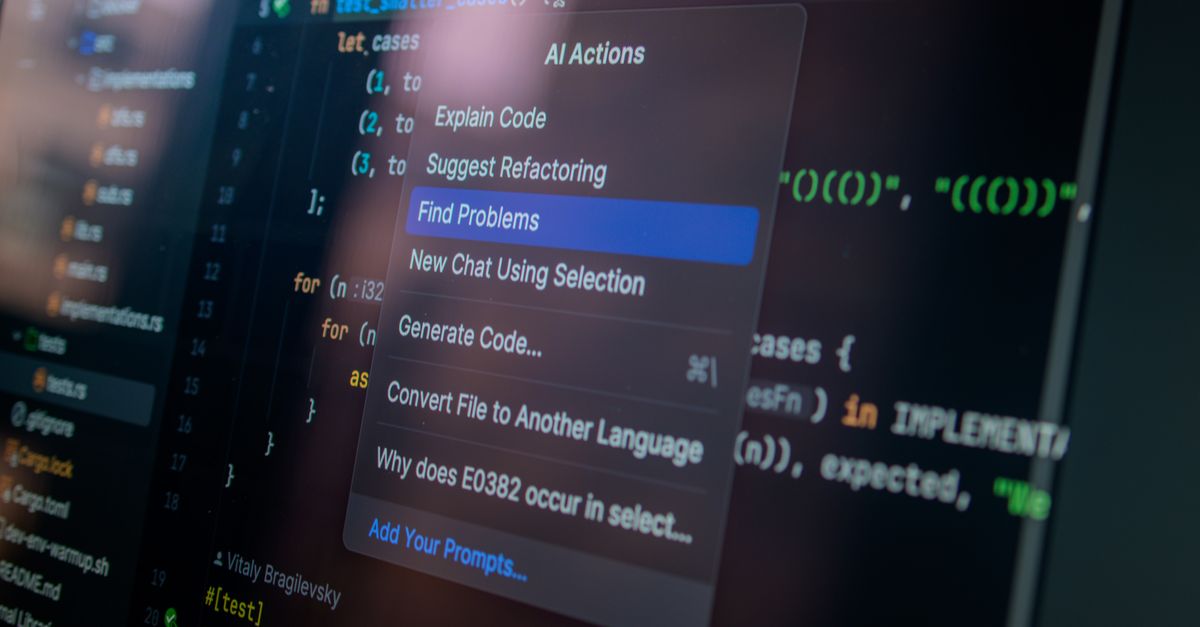
Photo by Daniil Komov on Pexels
OpenAI Launches ChatGPT Desktop App for Linux
OpenAI has launched a dedicated ChatGPT desktop app for Linux. This app allows users to interact with ChatGPT directly from their desktop. The move is significant as it indicates OpenAI’s commitment to expanding its reach across various operating systems. By providing a native app for Linux, OpenAI aims to enhance the user experience and make its AI-powered chatbot more accessible to a broader audience.
Onit: A Source-Available Alternative for Mac
Onit is a source-available ChatGPT desktop app with local mode, Claude, and Gemini support, designed for Mac. It does not contain code for Onit Dictate or QuickEdit. Onit SideKick is an AI chat sidebar that docks to any Mac app, allowing users to highlight text and open Onit with the selected text ready to use. This feature is particularly useful for users who want to integrate AI-powered tools into their workflow seamlessly. Onit’s focus on Mac integration, rather than Linux compatibility, highlights the diversity of solutions emerging in the AI-powered tool landscape.
Context and Implications
The launch of ChatGPT on Linux and Onit’s emergence reflect growing interest in AI-powered tools. OpenAI’s Linux app has limited functionality, as indicated by the brief announcement. However, this initial foray into the Linux market could be a precursor to more comprehensive support in the future. Onit, with its source-available approach and Mac-focused design, caters to a different segment of users, emphasizing the importance of choice and customization in the adoption of AI technologies.
Industry Context
The AI-powered tool market is rapidly evolving, with various companies and projects vying for attention. OpenAI’s move into the Linux space and Onit’s source-available alternative for Mac users signal a broader trend towards diversification and specialization. As the market grows, we can expect to see more solutions tailored to specific operating systems, use cases, and user preferences. This diversification will likely drive innovation, as companies and developers compete to offer the most compelling and user-friendly AI-powered tools.
Technical Mechanics
Under the hood, both OpenAI’s ChatGPT and Onit’s solution rely on complex AI algorithms and machine learning models. The ability of these tools to understand and respond to user queries accurately is a testament to the advancements in natural language processing (NLP) and AI research. The technical mechanics of these tools, including how they process and generate text, are crucial to their functionality and user experience. Understanding these mechanics can provide insights into the potential capabilities and limitations of AI-powered tools in various applications.
History of AI-Powered Tools
The development of AI-powered tools like ChatGPT and Onit is not a new phenomenon. The concept of AI-powered chatbots has been around for decades, with early versions being used in customer service and other applications. However, recent advancements in NLP and machine learning have enabled the creation of more sophisticated AI-powered tools that can understand and respond to complex user queries. The launch of ChatGPT on Linux and Onit’s emergence are the latest developments in this ongoing trend.
Downstream Implications
The expansion of AI-powered tools like ChatGPT and Onit into new markets and operating systems has significant downstream implications. For users, these tools offer enhanced productivity and accessibility. For developers, they present opportunities for integration and customization. However, they also raise questions about AI ethics, privacy, and security. As AI-powered tools become more pervasive, addressing these concerns will be crucial for ensuring that the benefits of these technologies are realized while minimizing their risks.
Broader Industry Trends
The growth of AI-powered tools is not limited to the Linux and Mac ecosystems. The AI-powered tool market is becoming increasingly diverse, with solutions emerging for various operating systems, devices, and use cases. This trend is driven by the increasing demand for AI-powered tools and the advancements in AI research and development. As the market continues to evolve, we can expect to see more innovative solutions that cater to specific user needs and preferences.
What’s Next
As AI-powered tools evolve, key developments include the growth of open-source tools like Onit and the expansion of ChatGPT into new markets. The debate about AI ethics and risks will continue, with developers, regulators, and users addressing these issues. The future of AI-powered tools will be shaped by the interplay between technological innovation, user demand, and regulatory frameworks. As the landscape continues to evolve, it will be interesting to see how different solutions, like OpenAI’s ChatGPT and Onit’s source-available alternative, contribute to the broader conversation about the role of AI in society.
Related Articles
Anthropic's Claude Linux Users Demand Official Desktop App
Anthropic's Claude users on Linux are calling for an official desktop app, citing workflow disruptions. The demand comes as the company faces growing competition.
ChatGPT Plugin Exfiltrates Google Sheets Data
A ChatGPT plugin for Google Sheets has been found to exfiltrate user data, raising concerns about AI security and data protection.
OpenAI Updates
OpenAI addresses security concerns and mental health risks with ChatGPT updates