

Elon Musk sues OpenAI in high-stakes trial

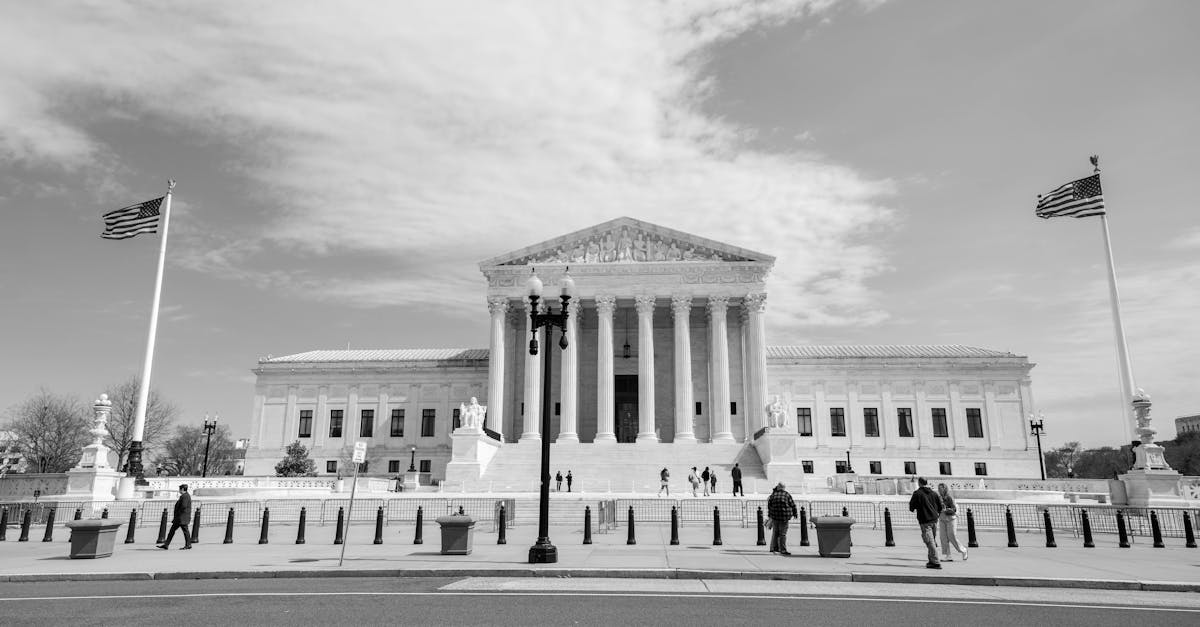
Photo by Quang Vuong on Pexels
Musk v. OpenAI: A Fractured Vision
The dispute traces to OpenAI’s 2015 founding as a nonprofit backed by Musk’s $38 million investment. Relations soured as OpenAI shifted toward a for-profit structure, prompting Musk to withdraw funding in 2020. Microsoft later became OpenAI’s largest investor, a move Musk claims OpenAI concealed. The trial, set in Oakland, California, could reshape AI governance and corporate control of transformative technology.
A History of Diverging Paths
OpenAI transitioned from a nonprofit to a public benefit corporation (PBC) in October 2025, granting Microsoft a 27% stake and $130 billion valuation for the nonprofit arm. Musk, who contributed $44 million total through 2020, argues this shift betrayed the 2015 agreement. OpenAI denies this, claiming Musk sought to merge the company with Tesla and lead it—a proposal they rejected. Instead, Musk founded xAI, now owned by SpaceX, and launched Grok, competing with OpenAI’s ChatGPT.
Musk’s legal team abandoned $100 billion in initial damages after pre-trial rulings. The current focus is on restructuring OpenAI’s governance or blocking its pending IPO, which Wedbush analyst Dan Ives calls a potential “reshaping of AI research corporate structures.” The trial’s outcome could delay OpenAI’s public offering, currently valued at $852 billion, and influence industry competition between xAI, Anthropic, and others.
Legal and Financial Stakes
Judge Yvonne Gonzalez Rogers will decide the case, with a jury providing advisory input. Musk’s testimony centers on OpenAI’s 2023 decision to fire Altman—then reinstated—claiming this demonstrated OpenAI’s “deceptive conduct.” OpenAI counters Musk’s claims, asserting his funding withdrawal was a response to his failed Tesla merger proposal. Microsoft’s role as a defendant adds complexity, as its $27% stake in the PBC ties its financial interests to OpenAI’s for-profit structure.
The trial hinges on proving whether OpenAI’s transition to a PBC violated its original mission. Legal expert Julia Powles notes both sides “like to tell you what you want to hear” about public good. Musk’s demands—funding for OpenAI’s charitable arm and Altman’s removal—contrast with OpenAI’s insistence that its for-profit shift aligns with long-term AI safety goals.
Industry Implications and What to Watch
This case arrives as AI governance debates intensify. Musk has repeatedly offered to buy OpenAI ($97.4 billion in 2025) or sue to block its profit-driven direction. Altman’s rebuttal—offering to purchase Musk’s X platform for $9.74 billion—exposes the personal and financial tensions underlying technical disagreements. If Musk prevails, OpenAI may face forced restructuring or delayed IPO, altering its ability to fund AI research and compete with rivals.
What to watch: Opening statements begin Tuesday in Oakland. Key evidence includes Musk’s 2015-2020 funding records, OpenAI’s 2023 board decisions, and testimony from Microsoft CEO Satya Nadella. The trial is expected to conclude by mid-May. Investors and AI researchers should track any court-ordered rollbacks of OpenAI’s for-profit transition and potential impacts on Microsoft’s $130 billion stake.
Updates
- 2026-08-06 — Galaxy Z Fold 8 pre-orders up 70% over Z Fold 7 in Europe (source)
- 2026-05-16 — Fresh horror from Supermassive, a Battlestar Galactica roguelite and other new indie games worth checking out (source)
- 2026-04-30 — SoftBank is creating a robotics company that builds data centers — and already eyeing a $100B IPO (source)
Related Articles
Musk sues OpenAI as trial tests nonprofit AI promise
Elon Musk’s lawsuit claims OpenAI betrayed its nonprofit charter, and a federal trial in Oakland will decide the future of open artificial intelligence.
OpenAI Restores Five‑Hour Cap for Plus and Business Users
OpenAI re‑imposed a five‑hour usage limit on ChatGPT Plus and Business Standard accounts, sparking debate over resource allocation and competition.
Meta’s Hatch, OpenAI’s Astra
Meta rolls out internal AI agent Hatch, OpenAI unveils Astra’s new reasoning method, and a lawsuit forces a look at secret AI safety rules.