

Tech Watch: Space Solar, Ethernet, and UK Competition

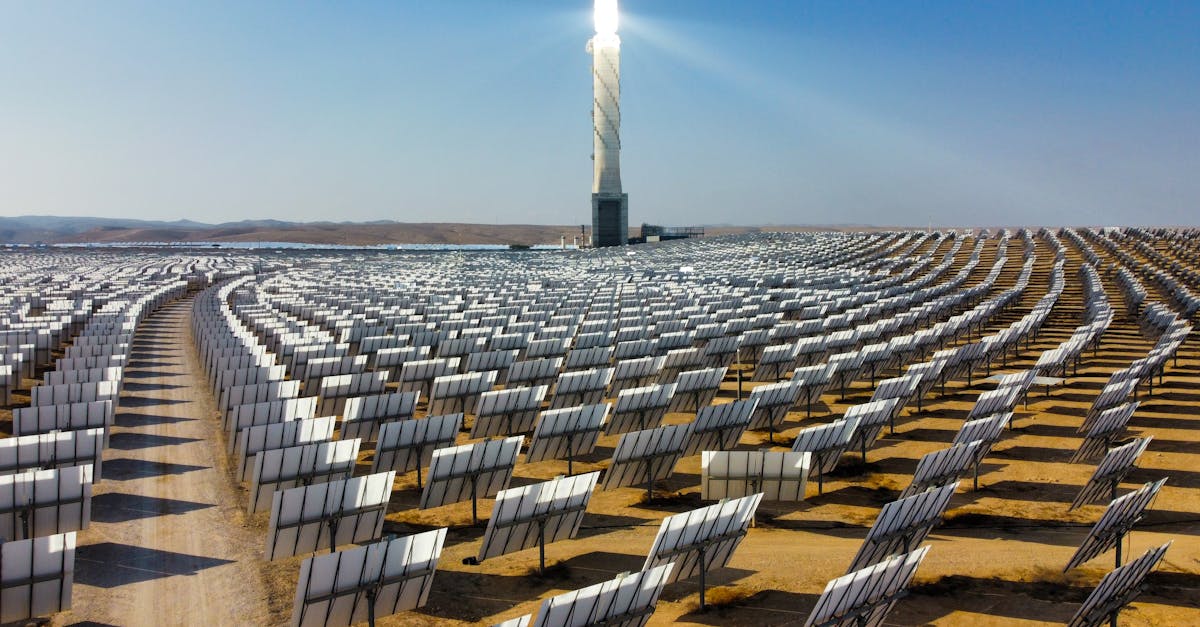
Meta Bets on Space-Based Solar Power
Meta has signed a deal with Overview Energy to explore the possibility of using space-based solar power. This technology aims to beam solar energy back to Earth, providing a constant and reliable source of renewable energy. While still in its infancy, this innovation could play a crucial role in reducing our reliance on fossil fuels.
The concept of space-based solar power has been around for decades, but recent advancements in technology have made it more feasible. The idea is to deploy solar panels in orbit around the Earth, where they can collect solar energy without the interference of weather patterns or nighttime. This energy is then beamed back to Earth as microwaves or lasers, which can be converted into electricity.
One of the primary benefits of space-based solar power is its potential to provide a constant and reliable source of energy. Unlike traditional solar panels, which are affected by weather patterns and nighttime, space-based solar panels can collect energy continuously. This could help to reduce our reliance on fossil fuels and mitigate climate change.
However, there are also several challenges associated with space-based solar power. One of the main challenges is the cost of launching and maintaining the solar panels in orbit. Additionally, there are concerns about the safety of beaming energy back to Earth, as well as the potential environmental impacts of large-scale space-based solar power systems.
Ethernet’s Enduring Relevance
In an era of wireless connectivity, Ethernet still holds a vital place in modern networks. It provides stable, speedy, and secure wired connections to the internet and between devices. This is particularly important for applications that require high-bandwidth and low-latency, such as online gaming, video editing, and virtual reality.
Ethernet’s advantages over wireless connections include its reliability, security, and speed. Wired connections are less susceptible to interference and hacking, making them a preferred choice for sensitive applications. As technology continues to advance, Ethernet is likely to remain a crucial component of our digital infrastructure.
In addition to its technical advantages, Ethernet also has several practical applications. For example, it is widely used in data centers, where high-speed and low-latency connections are essential for processing and storing large amounts of data. Ethernet is also used in many industrial applications, such as manufacturing and healthcare, where reliable and secure connections are critical.
UK Pushes for Digital Competition
The UK government is taking steps to increase competition in the digital sector. An independent review led by Harvard Professor Jason Furman has recommended updating competition rules to address the dominance of tech giants. The review suggests setting up a new competition unit and strengthening outdated laws to give smaller businesses a fair chance to enter the market.
The goal is to create a more level playing field, where innovative startups can compete with established players. This could lead to new services and platforms that offer consumers greater choice and protection. The UK government has acknowledged the need for change, and it will carefully examine the proposals before responding later this year.
The UK’s push for digital competition is part of a broader effort to promote innovation and protect consumers. In recent years, there have been several high-profile cases of tech giants facing scrutiny for their market dominance and business practices. The UK’s efforts to update its competition rules are likely to have significant implications for the digital sector, both in the UK and globally.
History of Space-Based Solar Power
The concept of space-based solar power has been around for decades. In the 1960s and 1970s, NASA and the US Department of Energy explored the idea of using solar panels in orbit to collect energy. However, the technology was not yet feasible, and the project was put on hold.
In recent years, there has been a renewed interest in space-based solar power. Advances in technology have made it more feasible, and several companies, including Overview Energy, are now exploring the possibility of using space-based solar power.
One of the key milestones in the development of space-based solar power was the launch of the Solar Power Satellite (SPS) concept in the 1970s. The SPS concept involved deploying a large solar panel in orbit around the Earth, which would collect energy and beam it back to Earth as microwaves.
What’s Next
As we watch these developments unfold, there are several key areas to focus on. For space-based solar power, the next step will be to see if Overview Energy can successfully demonstrate the technology on a larger scale. For Ethernet, we can expect to see continued advancements in speed and efficiency. And in the UK, the government’s response to the competition review will be crucial in shaping the future of the digital sector.
One thing to watch is the UK’s approach to regulating tech giants. Will they take a strong stance to promote competition, or will they take a more measured approach? The outcome will have significant implications for the digital economy, both in the UK and globally.
The autobahn, Germany’s highway system, is also a place to watch for tech innovation. With its high-speed roads and relaxed speed limits, it’s become a testing ground for autonomous driving and electric vehicles. Mercedes-Benz has already received approval for Level 3 autonomous driving on the autobahn, and other companies are likely to follow suit.
Industry Context
The conversation around digital competition and regulation is not limited to the UK. Globally, governments and regulatory bodies are grappling with how to address the dominance of tech giants. The EU’s Digital Markets Act and the US’s antitrust laws are just a few examples of the efforts underway to promote competition and protect consumers.
As the digital economy continues to evolve, we can expect to see more discussions around regulation and competition. The key will be to strike a balance between promoting innovation and protecting consumers. If done correctly, this could lead to a more vibrant and diverse digital landscape, with more choices and opportunities for all.
In addition to the regulatory efforts, there are also several industry trends that are likely to shape the future of the digital sector. For example, the increasing use of artificial intelligence and machine learning is likely to have significant implications for the digital economy.
Downstream Implications
The developments in space-based solar power, Ethernet, and UK digital competition are likely to have significant downstream implications. For example, the use of space-based solar power could have significant implications for the energy sector, both in terms of reducing our reliance on fossil fuels and mitigating climate change.
The continued advancement of Ethernet is likely to have significant implications for the digital infrastructure sector. As technology continues to advance, Ethernet is likely to remain a crucial component of our digital infrastructure.
The UK’s push for digital competition is likely to have significant implications for the digital sector, both in the UK and globally. The outcome will have significant implications for the digital economy, and it will be interesting to see how the UK’s efforts to update its competition rules shape the future of the digital sector.
The intersection of technology and transportation is an exciting space, with many developments to watch in the coming months. From electric trucks to foldable electric cars, the innovations on display on the autobahn are a glimpse into the future of mobility.
Updates
Related Articles

Googlebook challenges Apple’s retail play as Mac Studio prices
Google’s $899 AI‑native laptop and Apple’s store‑first philosophy clash amid rising component costs and AI‑driven hardware bets.
Xiaomi MiMo 2.6, Grok 4.7, and a Wave of Mid‑Month Tech Setbacks
A roundup of Xiaomi's MiMo 2.6 launch, x.ai's Grok 4.7 update, NASA's Mars Sample Return cancellation, and other mid‑September tech headlines.

Apple's rapid RC rollout pressures macOS developers
Apple released second release candidates for macOS Tahoe and Sequoia, while beta streams for Golden Gate and iOS 27.2 accelerate, sparking developer strain and highlighting ecosystem frictions.