

Walmart's Google TV Streamers Launch

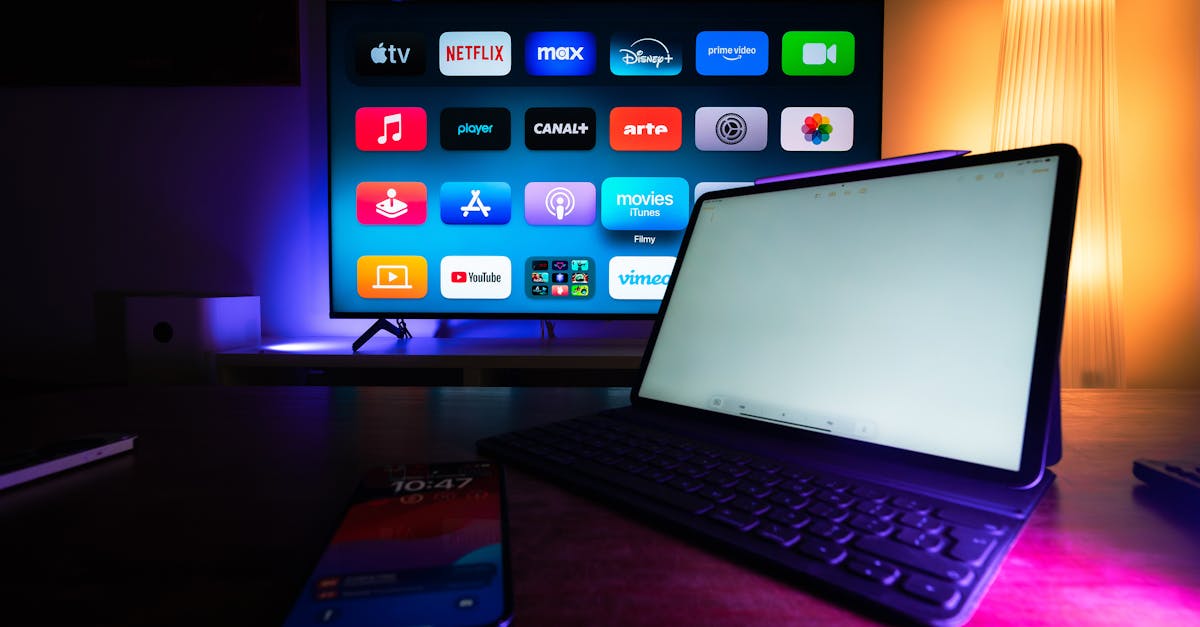
Photo by Jakub Zerdzicki on Pexels
Walmart’s Onn Google TV Streamers Launch Amid Retail Leaks
Walmart’s Onn 4K Pro and Onn 4K streaming sticks with Google TV are now available for many customers after weeks of in-store leaks. The devices, which first appeared in retail displays last month, are nearing a full rollout. Both models feature Google TV’s updated interface but differ in build quality and connectivity options, with the Pro version offering HDMI 2.1 support.
9to5Google reports the streamers are already shipping to a subset of buyers, though nationwide availability remains pending. This partnership marks Walmart’s first major foray into Google TV hardware since its 2020 collaboration on the Onn-branded Fire TV Cube. The move positions Walmart as a hardware partner to Google’s TV ecosystem, competing with Amazon’s Fire TV and Roku’s own devices.
Pixel’s Voice Typing Advantage Over Android Rivals
Google Pixel phones have long held a reputation for superior voice-to-text accuracy, but the gap has widened with recent software updates. Users report struggling to switch back to non-Pixel Android devices due to noticeable delays and misinterpretations in third-party voice typing systems. Google’s integration of AI models directly into the Pixel OS—rather than relying on Android’s default APIs—creates a smoother, more responsive experience.
This advantage isn’t just technical. Pixel users describe a “natural flow” when dictating complex phrases, contrasted with the stilted results on other Android phones. Google’s closed-loop approach—training models on Pixel sensor data—gives it an edge, though it’s unclear if competitors can match this without access to similar datasets.
Gradient Redesigns Spread Across Google Workspace
Google has begun replacing flat icons for Gmail, Calendar, Drive, and other core apps with glossy gradient designs. The update follows a similar overhaul of the Google Meet app last year. These redesigns aren’t just aesthetic—early adopters note subtle usability changes, like better contrast in dark mode and more intuitive color-coding for different Workspace functions.
The gradient approach aligns with Material You’s design language but introduces new accessibility challenges. Some users report that the dynamic color blending makes icons harder to distinguish for those with color vision deficiencies. Google hasn’t yet addressed these concerns, despite the redesign affecting over 100 million Workspace users globally.
Google Home’s Automation Shift Removes Phone-Linked Actions
A misleading message last week caused panic over Google Home automation cuts, but the company clarified it’s only removing phone-related actions like “Unlock my phone” and “Play music on my phone.” Core automation features remain intact, though the removal reflects a strategic pivot toward home-centric interactions. The change affects around 30% of active Google Home users who previously relied on phone-device integrations.
This shift mirrors Amazon Alexa’s 2022 decision to phase out phone linking. Both companies are pushing users toward dedicated smart home hardware instead of using phones as intermediaries. For developers, the change means rebuilding workarounds using Google’s new “Location-Based Routines” API, which has seen early adoption in Nest thermostats and Google Nest Hub devices.
What to Watch
Three threads will define Google’s near-term impact: First, whether the Onn streamers gain traction against Amazon’s Fire TV dominance. Second, if Apple’s rumored M4 iPad rumors influence Google’s Pixel tablet roadmap. Third, how the gradient redesign plays in regulated markets like the EU, where the new UI might violate accessibility standards under the Web Content Accessibility Guidelines. The next Google I/O in May could clarify these directions.
Updates
- 2026-09-01 — How to make sure your Android phone is secure (source)
- 2026-08-17 — HP Omnibook X (2026) review: Nailing the basics (source)
- 2026-06-05 — My favorite alternative to Google’s Pixelsnap Ring Stand is better in every way (source)
- 2026-05-27 — Gradient Google icon redesign rolls out on iPhone and web [U] (source)
- 2026-05-19 — Tom Steyer Wants to Save California From Billionaires. But Also Doesn’t Want Them to Leave (source)
- 2026-05-12 — Google is bringing AirDrop support to most Android phones later this year (source)
- 2026-04-28 — Google Translate uses AI to help you practice pronunciation (source)
Related Articles
Google’s Android Moves: Deals, Bugs, and a Platform Pivot
A rundown of fresh Android app discounts, Pixel 11 beta rollout, Meet hardware shift to Android, and new AI tools amid a Play Store crackdown.
Google rolls out Linux Terminal
Google adds a native Linux Terminal to Pixel, refreshes Clock and Magnifier icons, but a January 2026 update breaks Wi‑Fi and Bluetooth on flagship devices.
Google rolls out Pixel 11 upgrades, Quick Share tap mode
Google adds tap-to-share to Quick Share, launches Pixel 11 with higher price, 256 GB storage, Extreme Charging, and health upgrades for its Watch 5.