

US Government to Mandate Data Center Energy Reporting in Landmark Move

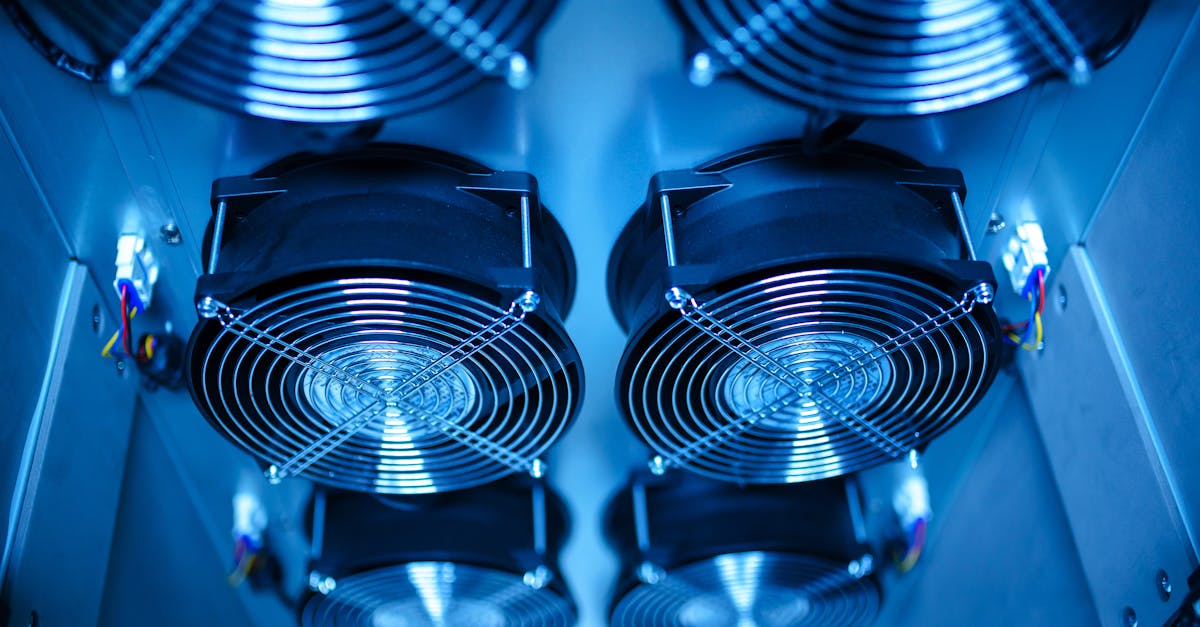
Photo by panumas nikhomkhai on Pexels
In a significant development poised to reshape the digital infrastructure landscape, the U.S. Energy Information Administration (EIA) has announced plans for a mandatory assessment of data centers’ energy consumption. This groundbreaking initiative, confirmed in a letter obtained by WIRED and further detailed by TechCrunch, marks the first time the federal government will systematically compel these digital powerhouses to reveal their energy footprints.
The move comes amid escalating concerns over the environmental impact and sheer power demands of data centers, which serve as the backbone of our cloud-dependent world. From streaming services and AI computations to enterprise applications, these facilities consume colossal amounts of electricity, putting increasing strain on national grids and contributing significantly to carbon emissions. For years, advocates have called for greater transparency and accountability, and the EIA’s new mandate represents a direct response to these pressures.
The mandatory assessment will require data centers to disclose detailed information regarding their energy usage. While the precise scope and frequency of reporting are yet to be fully outlined, the implication is clear: the era of opaque energy consumption in the data center industry is drawing to a close. This data will be crucial for policymakers to understand the true energy demands of the digital economy, enabling more informed decisions on infrastructure planning, energy policy, and renewable integration.
Industry experts suggest this regulatory shift will likely catalyze a renewed focus on efficiency and sustainability within the sector. Data center operators, keen to avoid potential penalties or public scrutiny, may accelerate investments in greener technologies, improved cooling systems, and more efficient hardware. It also opens the door for innovative solutions in energy management and a greater push towards sourcing renewable energy.
However, the implementation of such a comprehensive reporting mechanism is not without its challenges. Data centers vary widely in size, design, and operational complexity, making standardized reporting a complex task. The industry will need to collaborate closely with the EIA to establish practical and effective disclosure protocols that provide meaningful insights without imposing undue burdens. Nevertheless, this landmark decision by the U.S. government signals a clear intent: the massive energy appetite of our digital world can no longer remain a black box. Transparency is the first step towards a more sustainable and accountable future for our critical digital infrastructure.
Updates
- 2026-09-19 — iPhone 18 Pro Max still uses a Qualcomm modem in the US, teardown confirms (source)
- 2026-09-16 — A brief history of AI executives calling for regulation (source)
- 2026-05-15 — A 0-click exploit chain for the Pixel 10 (source)
- 2026-04-28 — Taylor Swift is stepping up the legal war on AI copycats (source)
- 2026-04-25 — The Online Civil War About ‘Michael’ Is a Battle Over Truth (source)
Related Articles
Data center demand drives up natural gas power plant costs
Natural gas power plant costs surge 66% as data center electricity demand skyrockets.

WIRED Finds 15 Ergonomic Office Chairs
WIRED’s latest reviews of office chairs, organic mattresses, and stainless‑steel water filters reveal a clear move toward ergonomics and eco‑friendly design.

China’s EV surge strains battery recycling chains
China’s electric‑vehicle boom is flooding the waste stream with batteries, exposing a fragile recycling ecosystem and prompting new consumer‑level fixes.