

Beyond Earth: Nuclear Power, Subterranean Havens

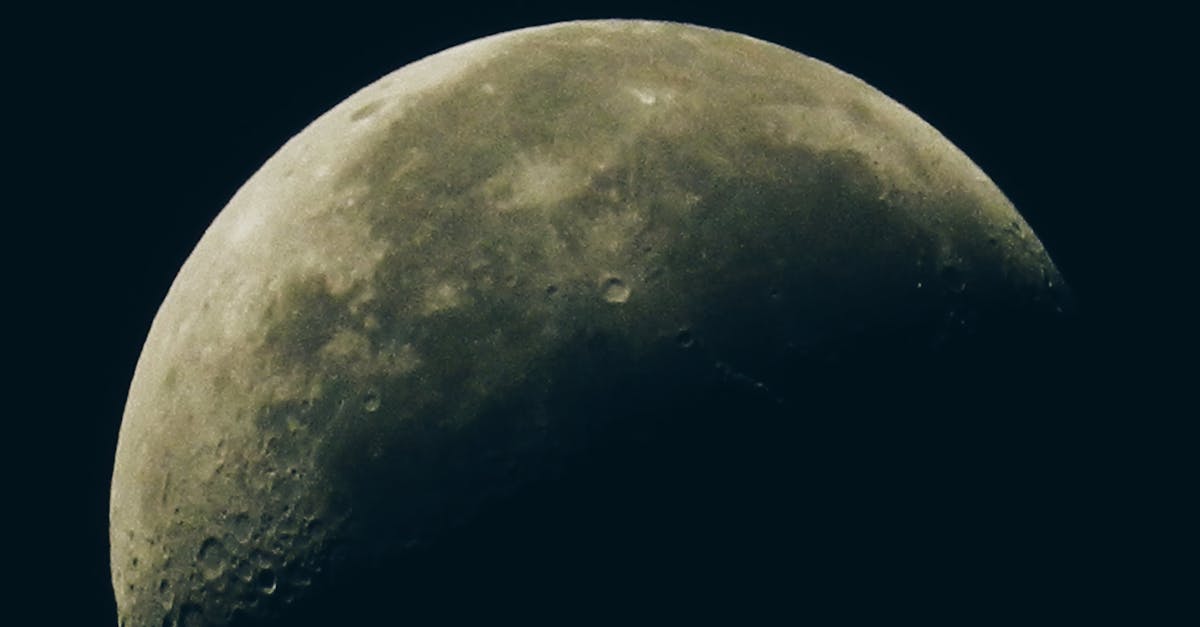
The cosmos beckons with unprecedented urgency. From establishing sustainable outposts on the Moon to deciphering the universe’s most profound mysteries, humanity is embarking on an ambitious new chapter of space exploration, powered by cutting-edge technology and a dynamic blend of public and private sector innovation.A cornerstone of this lunar ambition is energy. NASA, in collaboration with the Departments of Defense and Energy, is charting a course to deploy nuclear reactors in lunar orbit and on the Moon’s surface. This initiative represents a critical leap for long-duration missions and the creation of permanent human settlements, providing the robust and reliable power necessary for everything from life support to resource extraction in the harsh extraterrestrial environment. It’s a strategic move towards self-sufficiency, enabling deeper and more sustained exploration.Beyond the lunar surface, the search for life and safe havens extends to the solar system’s hidden depths. Subterranean environments, such as the vast lava tubes on Mars or the potential liquid water oceans beneath Europa’s icy shell, are increasingly seen as prime candidates for harboring extraterrestrial life, shielded from radiation and surface extremes. These natural shelters also offer compelling prospects for future human habitats, providing built-in protection and stability for colonists venturing beyond Earth.The logistical backbone for these grand endeavors is evolving rapidly. The U.S. Space Force is reportedly considering a significant shift in its launch strategy, potentially moving a substantial number of missions from traditional providers to commercial giants like SpaceX. This move underscores a growing emphasis on launch readiness and efficiency, where the ability to launch a spacecraft promptly “if the spacecraft is ready to go, that’s going to give it a priority” is becoming a paramount factor. This competitive landscape is driving innovation and cost-effectiveness across the commercial space sector.Amidst these practical advancements, the quest for fundamental knowledge continues to push the boundaries of cosmology. Scientists are meticulously analyzing new data to construct a comprehensive 3D map of the universe. This monumental undertaking aims to shed light on one of the cosmos’s most enigmatic forces: dark energy. By meticulously charting the distribution of galaxies, researchers hope to determine if dark energy’s influence is constant or if it varies over cosmic time, potentially rewriting our understanding of the universe’s ultimate fate and fundamental physics.Collectively, these initiatives paint a vivid picture of humanity’s multi-faceted push into space. From generating power for lunar bases and seeking life in subterranean alien worlds, to streamlining launch operations and unraveling the universe’s darkest secrets, we are witnessing a remarkable convergence of technological prowess, scientific curiosity, and strategic foresight. This era promises not only to expand our reach but fundamentally transform our understanding of where we stand in the vast cosmos.
Updates
- 2026-09-13 — The Smart Bird Feeders Everyone’s Talking About (and Actually Buying) (2026) (source)
- 2026-09-10 — Slack can now vibe-code interactive charts and reports inside chats (source)
- 2026-06-03 — Deals: Early Prime Day AirPods discounts, 24GB MacBook Air, Apple Watch Ultra 3, Apple cables from $7.50, more (source)
- 2026-05-23 — The Best Smart Sprinklers and Irrigation Systems: In-Ground Sprinklers, Hose Timers (2026) (source)
- 2026-05-11 — Monday’s best Android app deals and freebies: Conquistadorio, Homo Machina, Lara Croft GO, more (source)
- 2026-05-06 — The Best Bed Frames, Tested in Our Own Rooms (2026) (source)
- 2026-04-26 — The Smart Bird Feeders Everyone’s Talking About (and Actually Buying) (2026) (source)
- 2026-04-26 — The Best Kindle Accessories (2026): Cases, Page Turners, Stickers (source)
- 2026-04-23 — Chirp Discount Codes and Deals: Save Up to 67% (source)
- 2026-04-22 — Our eighth generation TPUs: two chips for the agentic era (source)
Related Articles

The Next Giant Leap: NASA's Ambitious Plans for Space Exploration
From returning to the Moon to exploring Mars, NASA is pushing the boundaries of space travel. But with budget cuts looming, can the agency achieve its ambitious goals?
Europe Goes Solo on Venus Mission as NASA Shifts Funding Focus
NASA pulls a radar instrument, prompting Europe to pursue its Venus probe alone while the agency asks states for money.
Starship's final test flight clears the way for bigger rockets
SpaceX’s Oct 13 Starship test ends Version 2, NASA rescues stranded ISS crew, and researchers warn megaconstellations could thin Earth’s magnetosphere.