

Bravia Backlash: Sony Axes Key TV Guide Features for Antenna &

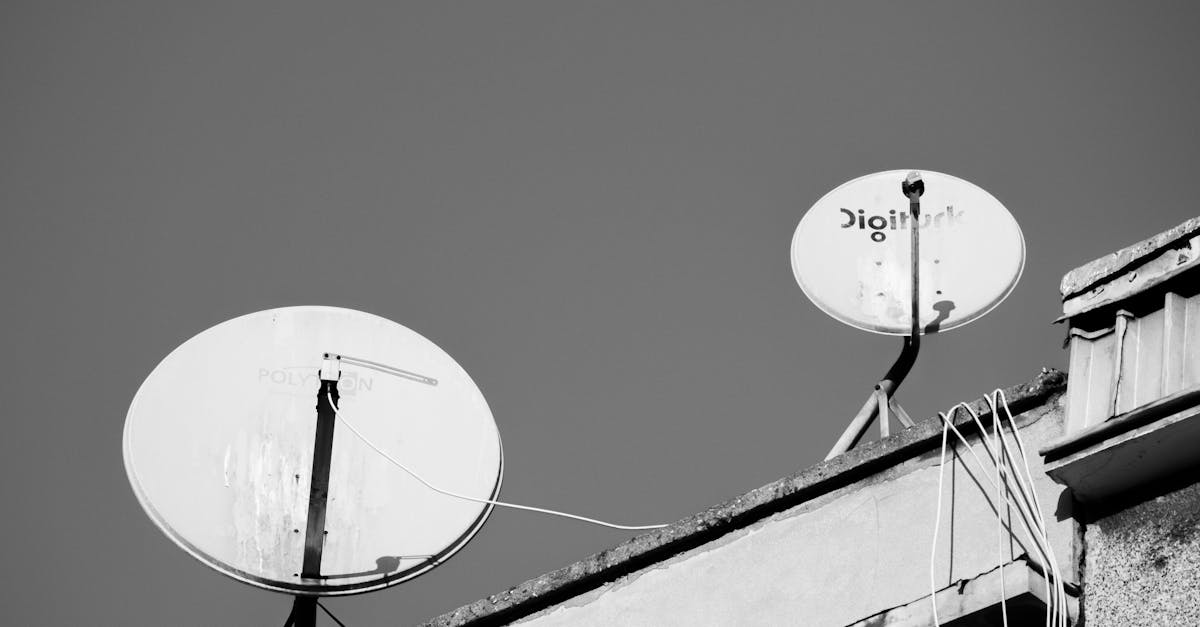
Photo by Yiğit KARAALİOĞLU on Pexels
Sony, a name often synonymous with premium home entertainment, is set to implement a perplexing change that will impact a significant segment of its Bravia smart TV owners. Starting in late May, various 2023, 2024, and even some forthcoming 2025 Bravia models will see a notable downgrade in their built-in TV guide and set-top box functionalities, particularly for those who steadfastly rely on over-the-air (OTA) antennas or external set-top boxes.
For dedicated cord-cutters and traditional broadcast viewers, the news signals a significant step backward in convenience. Users accessing channels via an OTA antenna will find their once-robust program guides severely stripped of user-friendly elements. Crucial features like channel logos and helpful thumbnail images, which previously aided in quick navigation and content identification, are being entirely removed. Furthermore, the guide will now only display programs from recently watched channels, and in a particularly frustrating caveat, program information may not be available at all for certain channels. This effectively transforms a previously intuitive and comprehensive interface into a sparse, fragmented, and far less helpful experience.
The changes aren’t confined solely to antenna users. Those connecting an external set-top box to their Bravia TVs will also face substantial modifications. Sony is entirely eliminating the dedicated “Set Top Box TV” menu, a feature many found useful for streamlined control. This will be replaced by a more generic “Control” menu. Crucially, this new setup will also forego the useful program thumbnail images, making it considerably harder and more time-consuming to quickly discern content without deeper, manual menu dives.
While streaming services undoubtedly dominate much of the contemporary media landscape, the demographic relying on OTA broadcasts and traditional set-top boxes remains surprisingly substantial and loyal. For these users, often actively seeking cost-effective or simpler viewing options, these seemingly minor features are not niche luxuries but fundamental components of their daily TV interaction. Sony’s decision, confirmed across multiple tech publications, comes without any clear explanation or rationale for the rollback, leaving affected customers bewildered as to why their expensive devices are losing core functionality post-purchase.
This unexplained move raises important questions about long-term product support, consumer expectations, and the evolving definition of a “smart” TV. As manufacturers increasingly dictate device functionality via over-the-air firmware updates, consumers risk losing valued features without prior notice or recourse. For a company like Sony, renowned for its commitment to user experience and technological innovation, this uncommunicated “nerfing” of features for a loyal, albeit specific, user base could significantly erode trust and leave a sour note among those who chose Bravia for its comprehensive capabilities. It’s a stark reminder that even niche user bases deserve robust, transparent support in an increasingly connected world.
Updates
- 2026-09-16 — 7 Best Android Phones of 2026, Tested and Reviewed (source)
- 2026-09-06 — The Best Laptop Backpacks for Work, Travel, and Everything Between (2026) (source)
- 2026-09-03 — Lenovo’s $700 IdeaPad Vibe is ready to take on the MacBook Neo (source)
- 2026-09-03 — Face Recognition Is Becoming the Norm for Dating Apps (source)
- 2026-08-28 — AI, athletes, and Keith Rabois: StrictlyVC is back in New York on September 10 (source)
- 2026-08-19 — Ukrainian drones overwhelm Russian tanks’ new active protection system—for now (source)
- 2026-05-25 — Anker’s 25W MagSafe 3-in-1 packs active cooling in a travel-sized design [Hands-on] (source)
- 2026-05-18 — Australian Aboriginals cared for a dingo’s grave for decades (source)
- 2026-05-02 — Apple AirPods Max 2 Review: The Best Over-Ears for iOS (source)
- 2026-04-23 — These are the countries moving to ban social media for children (source)
- 2026-04-23 — Five Annapurna Interactive games get Switch 2 releases (source)
- 2026-04-22 — Hey Meta workers, are you getting paid for those keystrokes? (source)
- 2026-04-21 — Amazon will invest up to $25 billion in Anthropic in a broad deal (source)
Related Articles
Sony pushes disc death as streaming squeezes niche music
Sony moves forward without PlayStation discs while streaming services drive down earnings for jazz and classical artists, and Pandora rolls out a sub-$10 ad‑free tier.
Volvo, Sony, and a Trump Phone: Three Tech Moves Under Scrutiny
Volvo clears US connected‑car hurdle, Sony pulls Destruction AllStars, and a gold Trump phone ships amid design controversy.
Sony drops PC ports as PS5 sales fall, Xbox revenue drops
Sony backs away from PC releases amid PS5 sales dip and memory shortages, while Xbox hardware revenue falls 42% and PC software spending is set to overtake consoles by 2028.