

Volvo, Sony, and a Trump Phone: Three Tech Moves Under Scrutiny

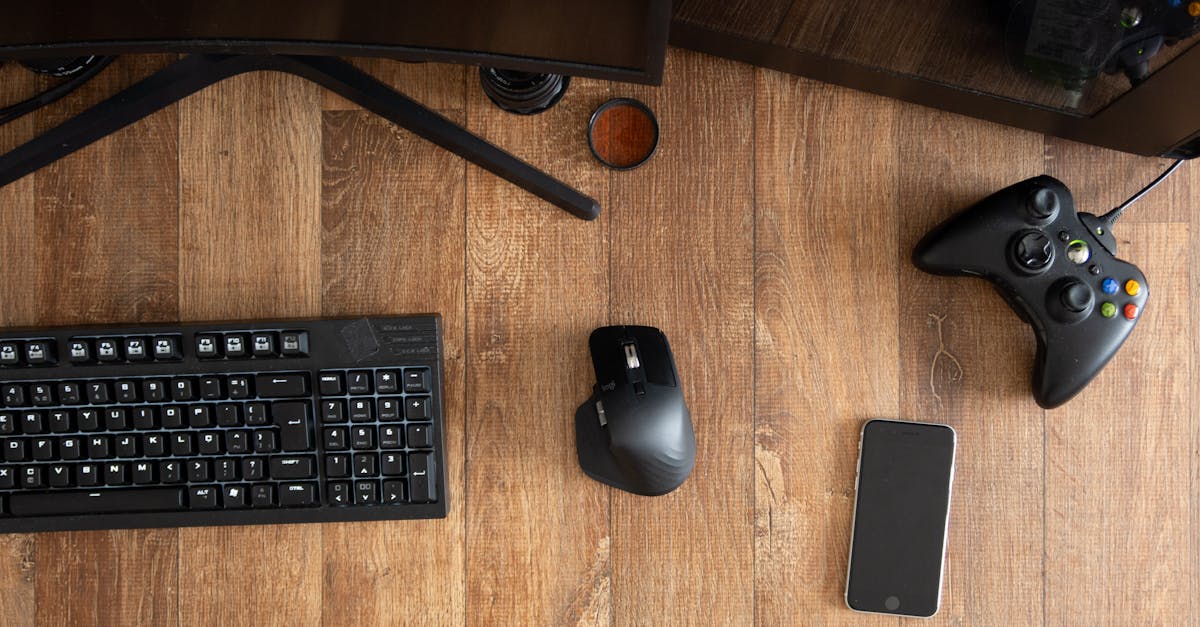
Photo by Athena Sandrini on Pexels
Volvo cleared a regulatory hurdle that had threatened its U.S. connected‑car sales. The decision lets the Swedish‑Chinese automaker press ahead with a factory expansion that hinges on data‑linked services.
The Trump administration granted Volvo permission to continue selling connected cars in the United States, a move confirmed by Volvo after a brief pause. Volvo, majority owned by China’s Geely Holdings, cited the clearance as the green light to resume its U.S. plant build‑out. The approval removes a compliance obstacle that could have stalled vehicle shipments that rely on over‑the‑air updates and telematics.
The ruling arrives amid heightened scrutiny of Chinese‑linked technology firms. U.S. agencies have previously flagged concerns about data sovereignty and foreign influence in automotive software. While the notice does not detail any conditions, the implicit expectation is that Volvo will keep data handling within the bounds of existing privacy statutes. The company’s next step is to scale production at its South Carolina facility, where it plans to integrate its latest infotainment stack.
Sony announced the abrupt termination of Destruction AllStars’ online multiplayer mode, effectively ending the game’s competitive component.
The shutdown was communicated without advance warning, and the service was pulled from both PlayStation 5 and PC platforms. Destruction AllStars launched as a PS5 launch‑window title, positioning itself as a showcase for the new console’s hardware. The sudden removal of its multiplayer layer leaves early adopters without a core feature that justified the game’s purchase.
Industry analysts note that Sony has a history of pruning underperforming services to reallocate server capacity. The decision underscores the volatility of live‑service games that rely on sustained player bases. For developers, the episode serves as a reminder that even titles backed by console manufacturers are not immune to rapid service cuts.
A gold‑hued phone bearing former President Donald Trump’s name is slated to ship this week, despite lingering questions about its manufacturing origins.
The device, described in reports as “awful” in aesthetic terms, was originally promised to be made in the United States. However, the same sources note that the phone was instead “designed with American values in mind,” a phrasing that sidesteps the manufacturing claim. No specifications or pricing details were disclosed beyond the color and branding.
The phone’s rollout highlights a niche market where political affiliation drives product appeal. Critics argue that the branding exercise skirts substantive hardware innovation, focusing instead on symbolic alignment. The upcoming shipment will test whether a politically charged accessory can generate meaningful sales without the usual tech credentials.
These three moves illustrate how regulatory, corporate, and political forces intersect in the tech ecosystem.
Volvo’s clearance shows that foreign‑owned manufacturers can still navigate U.S. policy if they satisfy data‑privacy expectations. Sony’s rapid service termination demonstrates the precarious economics of multiplayer titles, especially when they fail to meet engagement targets. The Trump phone’s impending release reveals how branding can override traditional product development narratives.
What to watch next: The Federal Trade Commission is expected to release guidance on foreign‑owned automotive software later this year, which could affect Volvo and peers. Sony has hinted at reallocating resources toward its upcoming cloud gaming venture, a shift that may reshape its multiplayer strategy. Finally, early sales figures for the Trump phone will indicate whether political branding alone can sustain a consumer electronics product.
Updates
Related Articles
Sony pushes disc death as streaming squeezes niche music
Sony moves forward without PlayStation discs while streaming services drive down earnings for jazz and classical artists, and Pandora rolls out a sub-$10 ad‑free tier.
Sony drops PC ports as PS5 sales fall, Xbox revenue drops
Sony backs away from PC releases amid PS5 sales dip and memory shortages, while Xbox hardware revenue falls 42% and PC software spending is set to overtake consoles by 2028.
New hardware quirks ring note‑taker AI feeder retro upgrades
A ring‑sized note taker, AI‑driven cat feeder, free retro‑handheld upgrades, E Ink tablets, and Android UI tweaks illustrate niche hardware shifts.