

Anthropic Settlement, Oura IPO, Europe's First Commercial Rocket

Authors Push Back on Anthropic Settlement Claims
Authors say publishers are demanding more than their fair share of the Anthropic settlement. The dispute surfaced after settlement payments were announced, prompting writers to question the allocation model.
The writers’ grievance is that publishers and agents are staking claims that exceed the portion they earned during the original deal. No new figures were disclosed, but the authors’ statement underscores a widening gap between content creators and intermediaries. The pushback could force Anthropic to renegotiate the distribution formula before the next payout cycle.
If the settlement terms remain unchanged, authors risk seeing a smaller slice of future revenue. Legal analysts note that settlement structures often lack transparency, making it hard for creators to verify fairness. The Anthropic case may become a reference point for other AI‑related settlements.
Oura Files for IPO While Rivals Accelerate
Oura announced plans to go public, marking the first public offering for a smart‑ring company. The move arrives as a wave of competitors tries to unseat Oura’s long‑standing market lead.
Rivals are experimenting with new sensor arrays, subscription services, and tighter integration with health platforms. None have disclosed pricing, but the diversity of approaches suggests a crowded field. Oura’s IPO will expose the company’s financials, giving investors a clearer view of how dominant the ring truly is.
The competition matters because smart rings sit at the intersection of wearables and health data. If challengers succeed, Oura could see a dip in market share and a slower revenue trajectory. Investors will watch the IPO closely to gauge whether Oura can defend its position against a growing ecosystem of alternatives.
Germany’s First Fully Commercial Orbital Rocket
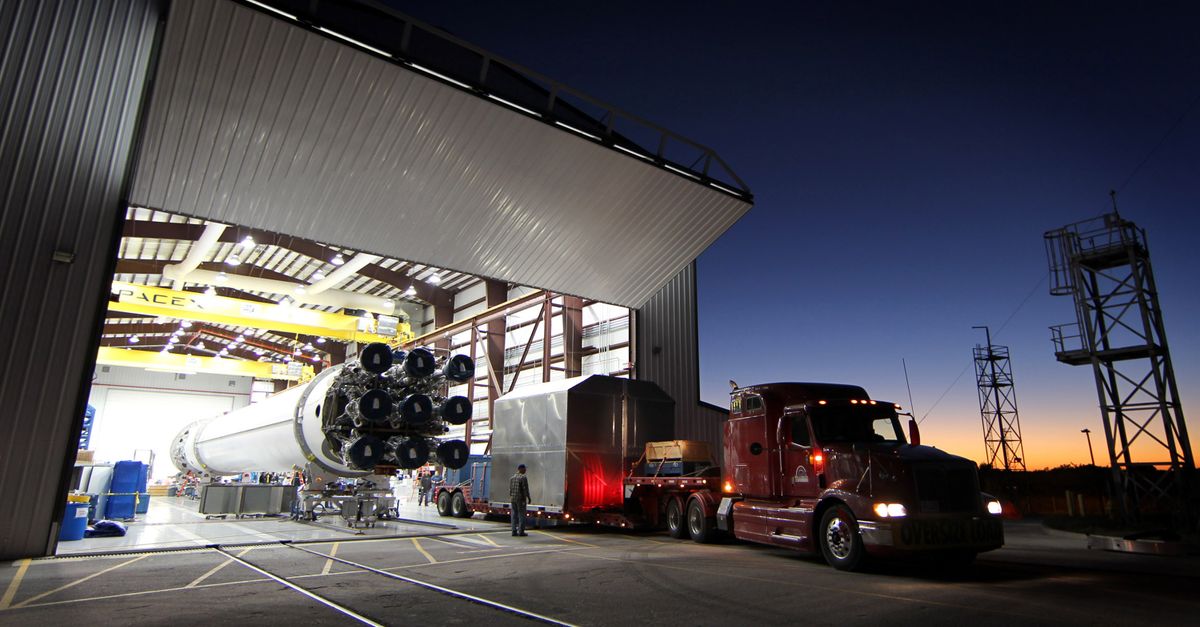
A German aerospace firm launched the first fully commercial orbital rocket from Europe. The company proclaimed, “We achieved within a few years what had taken the European space industry decades before.”
The launch demonstrated a reusable vehicle capable of delivering payloads to low‑Earth orbit on a commercial schedule. No payload mass or price points were released, but the statement hints at a rapid development cycle compared with legacy programs.
European governments have long subsidized state‑run launch services. This private milestone could shift funding toward commercial providers, accelerating innovation across the continent. The industry will watch the firm’s next flight to see if the model scales beyond a single demonstration.
Open‑Source Foundations Update: GrapheneOS, NetBSD, Nitter, Anubis
GrapheneOS rolled out a new default‑app suite and a secure clipboard feature. The changes aim to tighten privacy without sacrificing usability. Community feedback highlighted the clipboard’s resistance to app‑level snooping, a common attack vector on Android.
NetBSD 9.5 entered general availability while the NetBSD‑9 branch reached end‑of‑life. The release includes updated kernel drivers and a refreshed installer, improving hardware compatibility for modern servers. Users of the older branch must migrate to continue receiving security patches.
The Nitter project announced it will keep operating after consulting legal counsel. Nitter provides a privacy‑focused front‑end for Twitter, and the statement suggests the team navigated a potential takedown threat.
Anubis, a web‑assembly runtime, finally shipped its WebAssembly support after a year of development. The blog post documented the effort, and the Hacker News thread amassed 146 points and 90 comments, indicating strong community interest. The addition expands Anubis’s capability to run portable code in sandboxed environments.
Collectively, these updates illustrate a healthy churn in the open‑source ecosystem. Security‑focused projects continue to prioritize privacy, while legacy operating systems push forward with incremental improvements. The community’s response on Hacker News shows that developers still value transparent, peer‑reviewed progress.
Slate’s Build‑A‑Truck Model Hits a Geographic Roadblock
Slate introduced a modular truck that lets buyers select only the features they need. The strategy keeps the base price low and reduces inventory complexity.
However, the model struggles outside the United States. Market analysts point to differing regulatory standards and dealer networks as the primary obstacles. Without a robust overseas distribution plan, Slate’s sales pipeline may remain domestic.
The limitation matters because the U.S. commercial‑vehicle market accounts for a fraction of global demand. If Slate cannot adapt its modular approach to foreign regulations, the company risks ceding international space to established manufacturers.
What to Watch
Watch the Anthropic settlement audit trail for any court filings that could reshape the payout formula. Track Oura’s IPO pricing and post‑IPO performance to gauge investor confidence in wearables. Monitor the German rocket firm’s next launch schedule and any announced commercial contracts. Follow GrapheneOS’s upcoming app‑store policies, NetBSD’s migration tools, and Nitter’s legal standing. Finally, see whether Slate expands its modular truck to meet foreign standards or retreats to a U.S.–only focus.
Related Articles

Voice‑first AI tools multiply on‑device control
Claude now speaks, while PUNK, SuperVoiceMode, Whispering and Paseo let developers steer AI agents from phones and Macs without cloud lock‑in.
Xiaomi MiMo 2.6, Grok 4.7, and a Wave of Mid‑Month Tech Setbacks
A roundup of Xiaomi's MiMo 2.6 launch, x.ai's Grok 4.7 update, NASA's Mars Sample Return cancellation, and other mid‑September tech headlines.

BepiColombo reaches Mercury as community tools reshape space
After eight years in flight, ESA's BepiColombo probe nears Mercury while open-source projects and new research expose the software and cultural gaps in modern space exploration.