

Laser Blasts Drones at Mexico Border, Raising Security Stakes

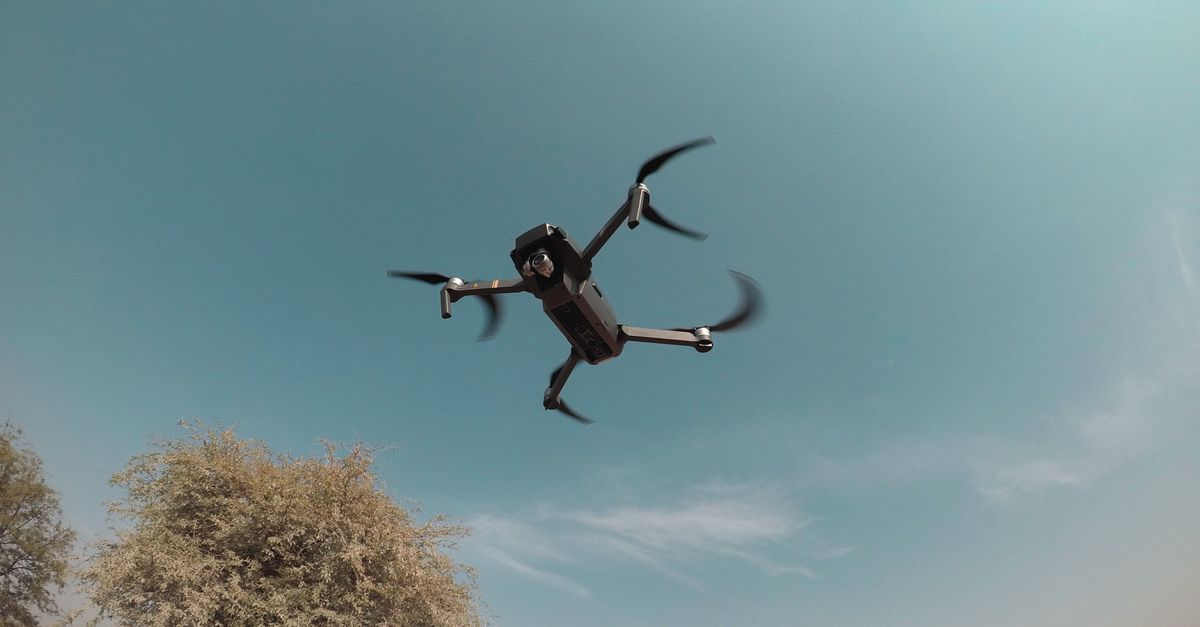
Photo by The Lazy Artist Gallery on Pexels
A laser cut the sky over the border
The US Army’s high‑energy laser system knocked out two unmanned aircraft that had entered US airspace near the Mexico border on Tuesday. The beam hit the drones within seconds of detection, leaving no debris on the ground.
The system, described by the Army as part of a new generation of directed‑energy weapons, detected, tracked and destroyed the targets with a concentrated light. The operation marked the first public use of a battlefield‑grade laser to enforce a civilian border.
How directed‑energy weapons have arrived
The laser belongs to a class of weapons that convert electrical power into a focused beam capable of heating or ablating material. Earlier prototypes, such as the Navy’s Laser Weapon System (LaWS) installed on the USS Portland, proved the concept on small boats. The Army’s current platform scales that capability to airborne threats.
Unlike kinetic interceptors, lasers have no moving parts once powered. They can engage multiple targets in rapid succession, limited only by power generation and cooling. The technology also promises lower per‑engagement cost because the ammunition is electricity, not rockets.
Echoes from Cold‑War espionage
Operation Ivy Bells, the 1970s mission to tap Soviet undersea communication cables, showed how a single technical breakthrough can reshape a security domain. The US Navy’s deep‑sea submersible slipped past Soviet defenses to plant listening devices, turning a quiet ocean trench into an intelligence goldmine.
The laser strike on drones mirrors that pattern. A single system now turns a stretch of desert into a hostile zone for any low‑altitude aircraft. The shift is less about the number of drones than about the message: a new tool can deny airspace without a single shot.
Border policy meets battlefield tech
The incident arrives as Congress debates funding for additional physical barriers and surveillance towers. Proponents argue that a laser provides a scalable, low‑maintenance layer that can complement cameras and radar.
Critics warn that weaponizing the border escalates a civilian‑law enforcement arena into a combat zone. Mexico’s government has not commented publicly, but diplomatic cables from previous years describe a growing Mexican concern over US‑side kinetic weapons near shared waterways. A laser, though invisible, still projects force.
The Army’s deployment also raises questions about rules of engagement. Existing border‑security statutes focus on apprehension and removal, not lethal force against unmanned systems. Legal scholars note that the Authorization for Use of Military Force (AUMF) does not clearly extend to domestic border incidents, creating a gray area for future operations.
What to watch next
The Pentagon plans a field test of the laser system at a second border crossing before the end of the year. Watch for a congressional hearing on the legal framework for directed‑energy weapons in domestic settings. A decision to expand the laser network could force neighboring countries to adjust their own aerial surveillance tactics, potentially sparking a regional tech arms race.
If the system proves reliable, the Department of Defense may push for integration with existing radar networks, turning the border into a layered defense that blends detection, tracking and kinetic or directed‑energy response. The next budget cycle will reveal whether lawmakers view the laser as a cost‑effective security tool or a politically volatile escalation.
Related Articles

Googlebook challenges Apple’s retail play as Mac Studio prices
Google’s $899 AI‑native laptop and Apple’s store‑first philosophy clash amid rising component costs and AI‑driven hardware bets.

Xiaomi MiMo 2.6, Grok 4.7, and a Wave of Mid‑Month Tech Setbacks
A roundup of Xiaomi's MiMo 2.6 launch, x.ai's Grok 4.7 update, NASA's Mars Sample Return cancellation, and other mid‑September tech headlines.

Apple's rapid RC rollout pressures macOS developers
Apple released second release candidates for macOS Tahoe and Sequoia, while beta streams for Golden Gate and iOS 27.2 accelerate, sparking developer strain and highlighting ecosystem frictions.