

Burning Man’s Soul Cracks Under Wealth, Weather, and Money Woes

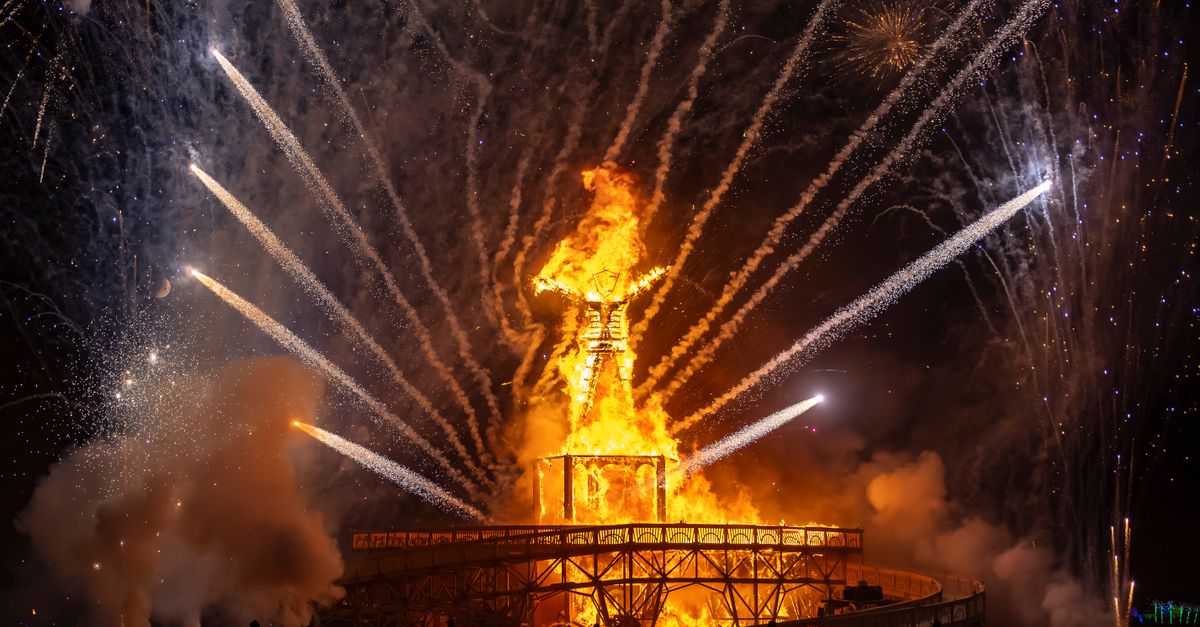
Photo by Stephen Leonardi on Pexels
Ticket Shortfall and Financial Strain
The Burning Man Project announced on July 31 that 3,000 tickets remained unsold just weeks before the event. The festival caps attendance at 73,000, so the unsold inventory represents a rare gap in a market that sold out every year from 2011 onward.
Marian Goodell, the nonprofit’s CEO, warned in a series‑of‑online missives that the organization faces a “risk” after last year’s $59 million budget fell $20 million short of expenses. The shortfall stems from ticket revenue that failed to cover the cost of building the temporary city, running the art program, and staffing the massive cleanup.
The financial pressure is not abstract. In 2022 the nonprofit spent roughly $59 million to stage the desert city, a figure that now looks unsustainable when ticket sales wobble. Goodell’s note that “everything is now at risk” signals a potential shift from the festival’s self‑funded model to external financing or higher ticket prices.
Dominique Debucquoy‑Dodley, the associate director of communications, framed the last‑minute sale as an effort to “encourage immediacy” and keep the population at its legal maximum. The language masks the reality: a dwindling cash flow and a community that can no longer rely on a guaranteed sell‑out.
Mud‑Soaked Playa and the Weather Gamble
A slow‑moving rainstorm turned the Black Rock Desert into a thick, slime‑coated mud bath this weekend. Event organizers issued a 5 a.m. statement that barred all non‑emergency vehicles and told burners to shelter in place, conserve food, and stay warm as temperatures slipped into the 50s.
The National Weather Service warned of additional rain that could add another half‑inch of precipitation. Meteorologist Mark Deutschendorf said another round of steady rain could arrive Sunday night, extending the hazardous conditions.
The mud halted the removal of portable toilets, cancelled several large‑scale art burns, and threatened the iconic human effigy and Temple of the Heart. The festival’s cleanup schedule, already a massive logistical effort, now faces weeks of extra labor and cost.
The weather crisis follows a 2023 flash‑flood event that trapped thousands of participants for days. That episode left a lingering memory of mud, delayed departures, and a heightened sense that climate volatility is no longer an occasional inconvenience but a structural risk.
Elite Camps and the White Ocean Raid
White Ocean, a high‑tech camp co‑founded by entrepreneur Timur Sardarov and DJ Paul Oakenfold, was hit by a coordinated raid on the night of August 30. The Facebook post from camp leaders described vandals flooding the site with 200 gallons of water, cutting power lines, gluing trailer doors shut, and stealing supplies.
Pershing County sheriff’s deputies responded and opened an investigation. The raid sparked a split among longtime burners. Some expressed sympathy for the material loss, while others cheered the incident as “taking Burning Man back from the parasite class.”
White Ocean’s own statement framed the attack as “sabotage” and cited a comment from a Burning Man organizer that it made sense the camp was targeted because it was “closed” and “not welcoming.” The camp claims to feed hundreds of non‑White Ocean burners daily, yet critics argue that its plug‑and‑play model undermines the principle of radical self‑reliance.
The episode highlights a growing resentment toward camps funded by Silicon Valley millionaires and billionaire heirs. These camps import staff, hire chefs, and build elaborate stages that few regular burners can afford to replicate, creating a visible class divide on the playa.
Culture Clash: From Radical Self‑Reliance to Commercialization
Burning Man began in 1986 on a San Francisco beach as a small gathering of artists who burned a wooden effigy. The ethos of radical self‑reliance, gifting, and de‑commodification defined the early community.
Over three decades the event migrated to the Nevada desert and grew to 70,000‑plus participants. The shift attracted tech entrepreneurs who arrived with “plug‑and‑play” camps, hired crews, and private security. The original gifting culture now coexists with a market for luxury services that few can afford.
Alysia Dynamik, executive director of the Reno maker space Generator, noted that recent years have been “tough for weather and being able to properly plan.” She added that the mud and heat have made the experience less enjoyable for many. Kaden Sinclair, president of the Idaho Burners Alliance, echoed the sentiment, saying rising living costs force participants to skip years to “solidify their living situation.”
The financial strain, weather volatility, and elite camp controversy converge on a single question: does the festival still embody its founding principles? The co‑founder’s recent op‑ed claiming the event has “lost its soul” suggests a deepening identity crisis.
What to Watch
The next board meeting of the Burning Man Project, scheduled for early September, will decide whether to raise ticket prices, cut the city’s footprint, or seek external investors. The outcome will signal how the nonprofit plans to balance fiscal solvency with its cultural mission. Meanwhile, weather forecasts predict another rain system before the event officially ends on Monday. Tracking the cleanup timeline and any further art‑burn cancellations will reveal how climate risk reshapes the festival’s operational model. Keep an eye on the legal fallout from the White Ocean raid; a lawsuit or settlement could set precedents for how the organization polices exclusive camps.
Related Articles

OpenAI releases GPT‑5.6 Sol, but finance AI still lags
OpenAI's new GPT‑5.6 Sol tops vision benchmarks, while recent tests expose LLM gaps in SEC filing analysis and open‑source Go tools expand the ecosystem.

S&P 500 Snubs SpaceX, Leaving AI IPOs in the Lurch
The index refuses to bend its rules for SpaceX, denying billions in passive inflows and keeping OpenAI and Anthropic out of the S&P 500.

Madonna Leverages Grindr While WIRED Logs Miles on Shoes
Madonna’s Grindr album push and WIRED’s marathon shoe testing illustrate how data and niche platforms reshape cultural marketing.