

Retro Arcade: Build vs. Buy

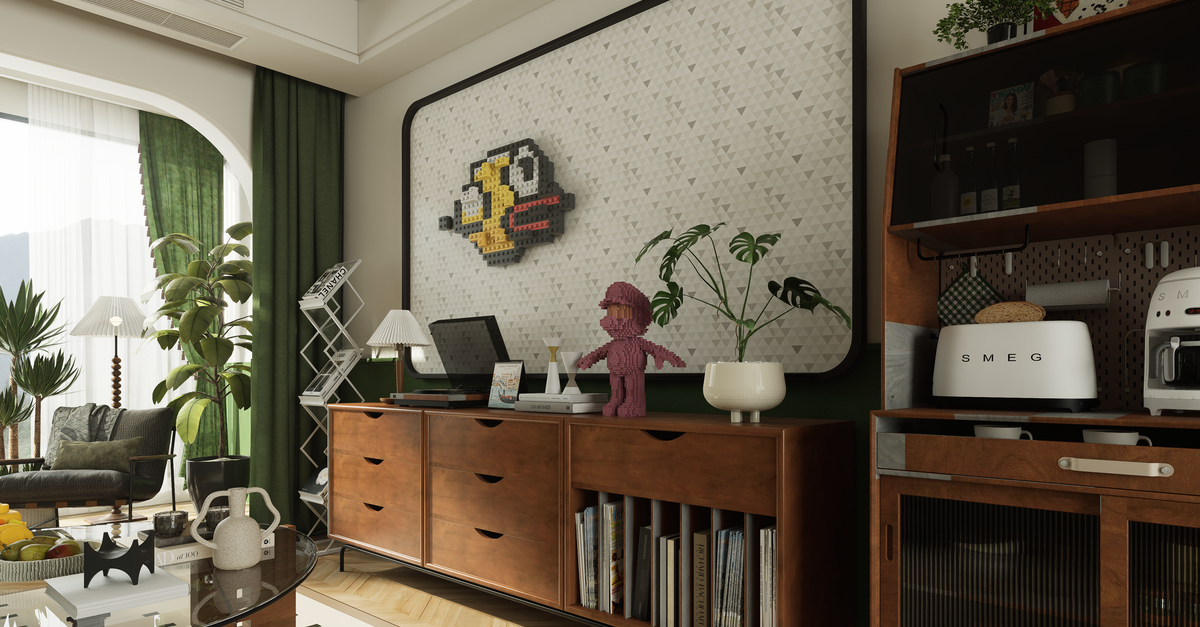
Few additions elevate a gaming space like a dedicated retro arcade cabinet, but the path to owning one forces a fundamental choice: to build a personalized machine or purchase a pre-assembled unit. This decision impacts not just the initial investment, but the entire user experience and the very spirit of your gaming setup.
The core question for any enthusiast hinges on navigating the intricacies of creating a custom project versus the convenience of a commercially available option. This isn’t just about cost; it is about control, customization, and the satisfaction derived from either deep engagement with the construction process or immediate access to a complete entertainment system.
The Allure of Analog Pixels
The pull of a retro arcade machine is visceral. It isn’t just about playing old games; it’s about recreating a specific time, a feeling, a physical interaction lost in the era of digital downloads and cloud streaming. Modern gaming often abstracts away the hardware, presenting a seamless, disembodied experience. An arcade cabinet, however, grounds the player. The click of the joystick, the thwack of the buttons, the glow of a dedicated screen – these are haptic memories, tangible links to a past era of competitive, coin-operated entertainment.
For many, the appeal lies in the unapologetic simplicity of its design. These machines were built for a singular purpose: to deliver focused, immediate fun. There were no sprawling open worlds, no complex narratives to follow, just high scores and bragging rights. Owning such a device in a home environment transforms a simple room into a personal arcade, a sanctuary dedicated to skill, reflex, and the pure joy of classic gameplay. It’s a statement piece, a conversation starter, and an invitation to engage with digital history in a profoundly physical way.
The DIY Path: Crafting Your Own Classic
Embarking on a do-it-yourself arcade cabinet project is a significant undertaking, one that demands patience, technical aptitude, and a willingness to learn. It starts with the physical shell, often a custom-built wooden frame, meticulously cut and assembled. This phase alone can involve woodworking skills, precise measurements, and a vision for the final aesthetic. Material choices range from standard plywood to more exotic composites, each influencing the weight, durability, and cost of the ultimate machine. This is where the true customization begins.
Beyond the cabinet itself, the internal components require careful selection and integration. A reliable single-board computer, like one of the popular open-source options, forms the brain of the operation, emulating countless classic games. Connecting this to an appropriate display, whether a modern LCD or a salvaged CRT for true authenticity, requires specific technical knowledge. Wiring joysticks, buttons, and speakers into a cohesive system presents its own set of challenges, often involving soldering, intricate cable management, and careful configuration of input devices. It is a process of problem-solving, a test of perseverance that culminates in a truly unique creation. The result is a machine built precisely to one’s specifications, from the layout of the control panel to the specific software emulation environment. This level of control, however, comes at the cost of significant personal time and effort. The experience of crafting the machine can be as rewarding as playing it.
The Pre-Built Route: Convenience and Compromise
The alternative to a custom build is the purchase of a commercially available retro arcade cabinet. This option trades the intensive labor of DIY for immediate gratification and a more standardized experience. Manufacturers offer a range of products, from compact countertop units to full-size stand-up machines, often pre-loaded with a library of popular titles. The appeal here is clear: unpack, plug in, and play. There is no need to worry about woodworking, wiring diagrams, or software configurations.
However, this convenience often comes with its own set of compromises. Pre-built cabinets might not offer the exact game selection an individual desires, or the quality of the components—joysticks, buttons, screens—may not meet the expectations of a seasoned enthusiast. Customization options are typically limited to aesthetic choices like artwork or cabinet shape, not fundamental internal hardware or software. The inherent lack of control means users are reliant on the manufacturer’s choices, which can lead to frustration if specific preferences are not met. While some pre-built options aim for high fidelity, replicating the feel of original hardware, others prioritize cost-effectiveness, sometimes at the expense of authentic gameplay or durability. The immediate accessibility is a strong draw, but it requires accepting a pre-defined experience, which can feel restrictive compared to the boundless possibilities of a self-assembled system.
The Enduring Appeal of Physicality in Gaming
The debate between building and buying a retro arcade cabinet highlights a broader trend in the tech world: the enduring human desire for physical interaction with digital experiences. In an age dominated by intangible software and streaming services, the tangible presence of a dedicated gaming machine offers a stark contrast. It represents an investment not just in entertainment, but in a specific form of cultural preservation. These cabinets are not merely tools; they are artifacts, encapsulating decades of design philosophy, technological evolution, and competitive spirit.
The physicality of an arcade machine forces a different kind of engagement. It’s a commitment to a singular experience, devoid of the distractions of modern multitasking devices. This intentionality, whether through the act of creation or dedicated play, fosters a deeper connection to the games themselves. It reinforces the idea that some digital experiences are best enjoyed on their original, or at least physically representative, hardware. The satisfaction isn’t just from beating a high score; it’s from the clunk of the joystick under the hand, the vibrant flash of pixels on the screen, and the clear distinction between a toy and a piece of equipment.
What’s Next for the Arcade Renaissance
The choice between constructing or acquiring a retro arcade cabinet will continue to evolve as technology advances and the community’s preferences shift. Prospective builders might see new, more affordable single-board computers enter the market, simplifying the emulation process and reducing overall project costs. Advancements in display technology could offer increasingly authentic retro experiences, blurring the lines between modern panels and classic CRT aesthetics without the bulk.
Meanwhile, commercial manufacturers will likely respond to market demand with more customizable off-the-shelf solutions, integrating better quality components and broader game libraries. The key decision point for enthusiasts will remain rooted in their personal investment: how much time, effort, and technical skill they are willing to dedicate to the project versus the convenience and immediate accessibility of a retail product. The ongoing evolution of both DIY kits and ready-made systems suggests a vibrant future for the home arcade, ensuring that the question of building versus buying remains a relevant and engaging discussion for years to come.
Related Articles
PS5 Gets Linux Loader, Console Modders Strike Again
A new open-source tool lets users run Linux on PlayStation 5 hardware.

Googlebook challenges Apple’s retail play as Mac Studio prices
Google’s $899 AI‑native laptop and Apple’s store‑first philosophy clash amid rising component costs and AI‑driven hardware bets.
Xiaomi MiMo 2.6, Grok 4.7, and a Wave of Mid‑Month Tech Setbacks
A roundup of Xiaomi's MiMo 2.6 launch, x.ai's Grok 4.7 update, NASA's Mars Sample Return cancellation, and other mid‑September tech headlines.